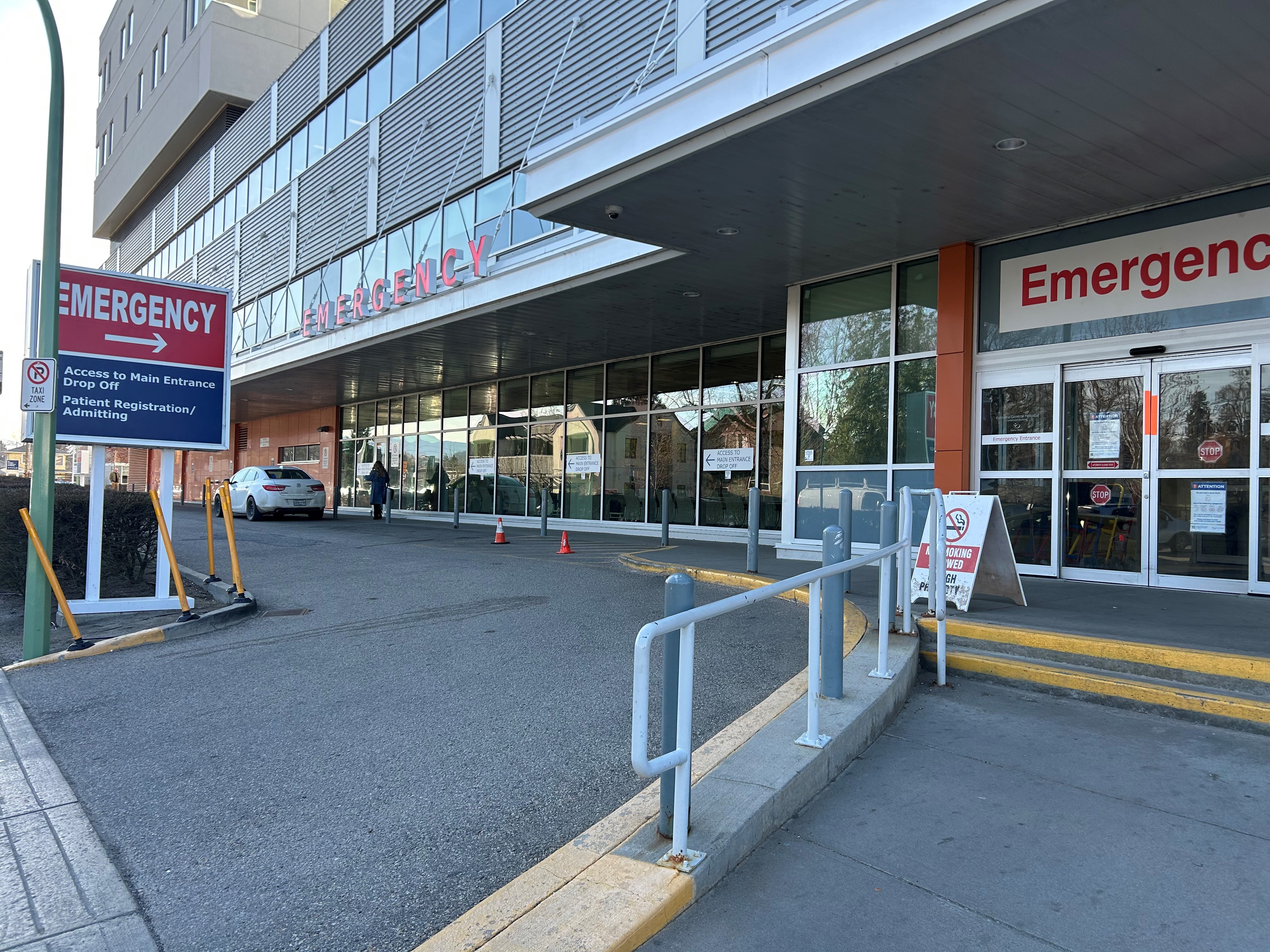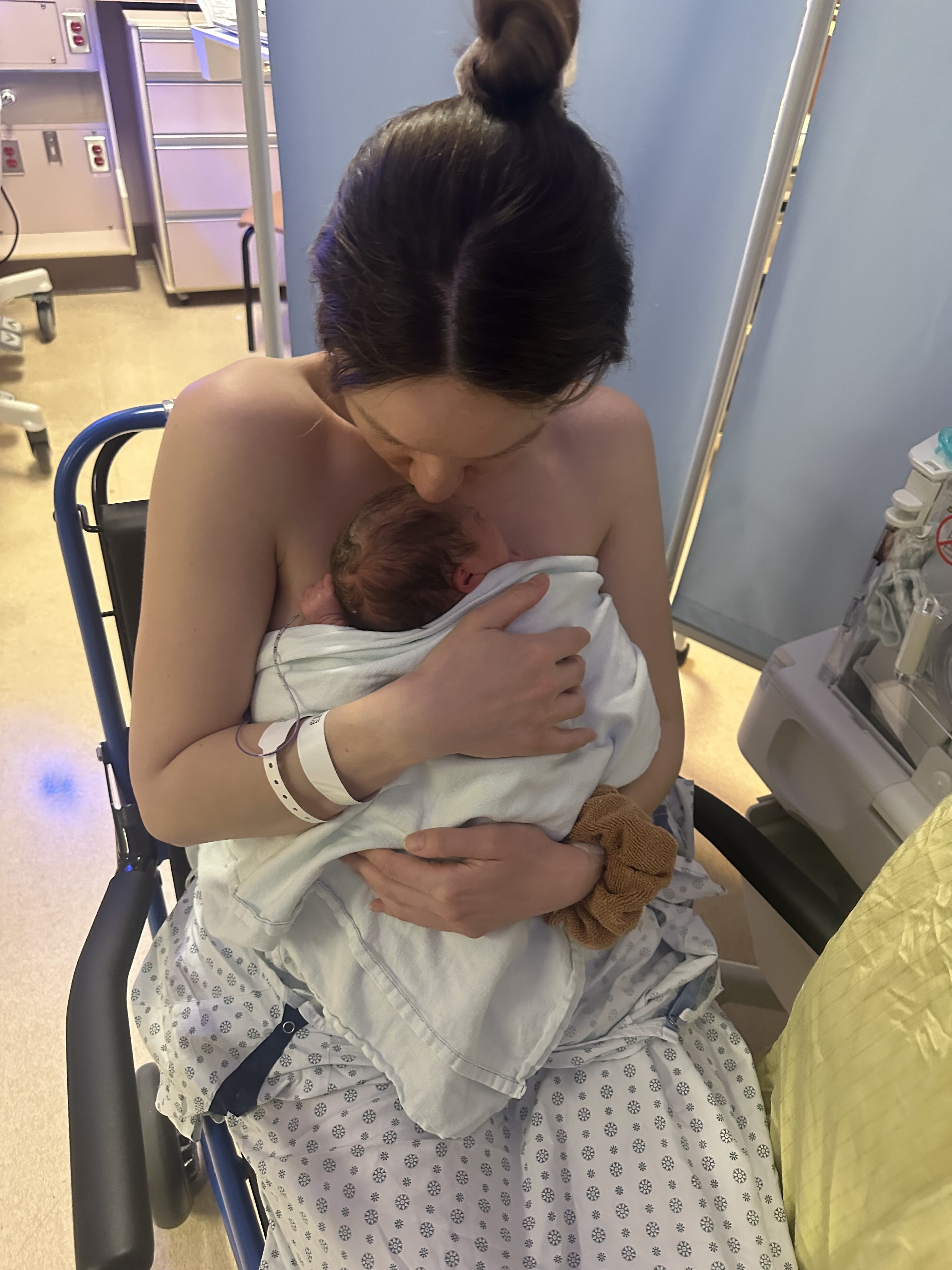
In British Columbia, a routine birth can turn into a life-altering surgical intervention in a matter of seconds. For a growing number of women, the joy of delivery is replaced by the trauma of an emergency hysterectomy, a procedure that leaves them physically scarred and permanently unable to conceive. This isn't just a series of isolated medical misfortunes. It is a systemic failure. While health authorities often point to "unforeseeable complications" like postpartum hemorrhage or placenta accreta, a deeper look at the province's maternity infrastructure reveals a different story. We are seeing a collision between rising maternal ages, an overstretched surgical workforce, and a bureaucratic tendency to prioritize efficiency over individualized, trauma-informed care.
The Quiet Surge of Surgical Birth Trauma
The term "peripartum hysterectomy" sounds clinical, almost sterile. In reality, it is a violent, last-resort measure used to save a mother’s life when bleeding becomes uncontrollable. In B.C., these incidents are no longer the statistical anomalies they once were. When a mother describes herself as "mutilated" following such an ordeal, she isn't being hyperbolic. She is describing the loss of an organ, the abrupt onset of surgical menopause, and the psychological weight of a birth story that ends in an operating room rather than a nursery.
Medical records usually list the cause as uterine atony—where the uterus fails to contract after birth—or abnormal placental attachment. However, these diagnoses ignore the environmental factors at play. Our hospitals are functioning at a level of "code purple" saturation that has become the new baseline. When a labor ward is over-capacity, the window for conservative management of labor narrows. Intervention becomes a tool for throughput.
The Placenta Accreta Factor
One of the most significant drivers of emergency hysterectomies is placenta accreta spectrum (PAS). This occurs when the placenta grows too deeply into the uterine wall. The risk of PAS increases significantly with every previous Cesarean section. British Columbia has one of the highest C-section rates in Canada, hovering around 35 percent in many health authorities.
We have created a feedback loop. A mother has a C-section for her first child because of "failure to progress"—often a result of rigid hospital timelines—and by her third child, she is at a drastically higher risk for a life-threatening hemorrhage that requires the removal of her uterus. The medical community knows this correlation exists, yet the push to reduce primary C-sections remains largely performative in the face of staffing shortages.
A System Built for Crisis Not Prevention
The B.C. healthcare system is designed to respond to catastrophes, but it is increasingly poor at preventing them. Midwifery, which focuses on low-intervention care that can reduce the risk of primary surgical births, remains underfunded and restricted in many rural and even suburban parts of the province. When women are denied access to continuous, one-on-one labor support, the likelihood of a "cascade of interventions" skyrockets.
Consider the typical experience in a Metro Vancouver hospital. A laboring patient is often shuffled between shifting nursing teams. If the labor slows down, synthetic oxytocin is administered to speed things up. While useful, synthetic oxytocin can lead to hyper-stimulation of the uterus, which in turn can lead to uterine atony—the leading cause of the very hemorrhages that necessitate a hysterectomy. We are often treating the side effects of our own interventions.
The Invisible Scars of Surgical Menopause
The physical recovery from a hysterectomy is grueling, but the endocrine collapse is what many women find truly debilitating. When the uterus is removed, even if the ovaries are left behind, the blood supply to those ovaries can be compromised. This can lead to premature ovarian failure.
Women in their 20s and 30s are suddenly thrust into a state of estrogen deficiency. They face hot flashes, night sweats, and a significantly increased risk of osteoporosis and cardiovascular disease. Yet, the follow-up care for these "survivors" of birth trauma is abysmal. Most B.C. health authorities focus on the survival of the infant. Once the mother is stabilized and the bleeding stops, she is often sent home with a prescription for painkillers and a "good luck" from a surgeon who is already moving on to the next emergency.
The Geography of Risk
Where you give birth in British Columbia determines your level of risk. In rural areas, the closure of local maternity wards means women must travel hours to reach a regional "hub" hospital. This travel creates stress, and stress inhibits the natural hormones required for a safe labor.
If a hemorrhage occurs in a small-town hospital that lacks a 24-hour surgical team, the only option is a frantic medevac. In these high-stakes moments, surgeons are more likely to perform a hysterectomy because they do not have the time or the specialized equipment—like intrauterine balloons or arterial embolization—to try more conservative measures. The hysterectomy becomes the "safe" choice for the doctor, even if it is the most devastating choice for the patient.
Why Informed Consent is Failing
Informed consent in a delivery room is often a myth. When a woman is in the throes of a hemorrhage, she is in no position to weigh the pros and cons of a major surgery. The problem begins much earlier, during prenatal care.
Expectant mothers are rarely told about the risks of peripartum hysterectomy. It is viewed as too "scary" or "unlikely" to discuss. This lack of transparency means that when the complication occurs, the shock is absolute. The patient feels betrayed by a system that promised a "natural" or "standard" experience. We need to stop treating birth like a consumer product and start treating it as a complex physiological event that requires honest risk assessment.
The Cost of Silence
The B.C. Ministry of Health tracks maternal morbidity, but these numbers are rarely translated into actionable policy changes that prioritize uterine preservation. There is a chilling lack of accountability when a hysterectomy is performed. Was it truly the only option? Or was the surgical team rushed? Was the patient monitored closely enough in the four hours following birth?
These questions are often buried in internal "Quality Assurance" reviews that the patients themselves are never allowed to see. This lack of transparency protects the institution while leaving the woman to wonder if her "mutilation" was actually avoidable.
The Role of Bias in Maternal Outcomes
We cannot ignore that maternal outcomes are also tied to race and socioeconomic status. Indigenous women and women of color in British Columbia consistently report higher levels of "obstetric violence"—a term used to describe the loss of autonomy and coerced medical interventions during birth. When a patient's pain is dismissed or their concerns about bleeding are ignored during the "golden hour" after delivery, the window for saving the uterus closes.
The system's inherent biases often lead to a more aggressive, less communicative approach to surgical intervention. If a patient is seen as "difficult" or "uncooperative," the transition to a high-intervention surgical environment happens faster.
Beyond the Operating Table
To fix this, we must move away from the "incident-response" model. We need a provincial mandate for uterine-sparing techniques. This includes ensuring every hospital with a maternity ward has access to tranexamic acid, Bakri balloons, and, crucially, a surgical team trained in internal iliac artery ligation—a difficult procedure that can stop a hemorrhage without removing the uterus.
But technology and drugs are only half the battle. The other half is time. We need to give women more time to labor naturally when it is safe to do so. We need to stop the assembly-line approach to the delivery room.
The current trajectory is unsustainable. As the age of first-time mothers increases and the prevalence of C-sections rises, we will see more women entering the delivery room with "ticking time bomb" placentas. If the province doesn't overhaul its approach to high-risk obstetrics and surgical transparency, the "mutilation" of B.C. mothers will continue to be a dark, hidden cost of our healthcare system.
The medical establishment must stop viewing the loss of a woman’s fertility as an acceptable price for a live birth. Until the preservation of maternal anatomy is treated with the same urgency as the delivery itself, women will continue to wake up in recovery rooms feeling like they have lost more than just a placenta. They have lost their bodily integrity.
Demanding a full, independent audit of peripartum hysterectomy rates across B.C. health authorities is the only way to move from anecdotal heartbreak to systemic reform.