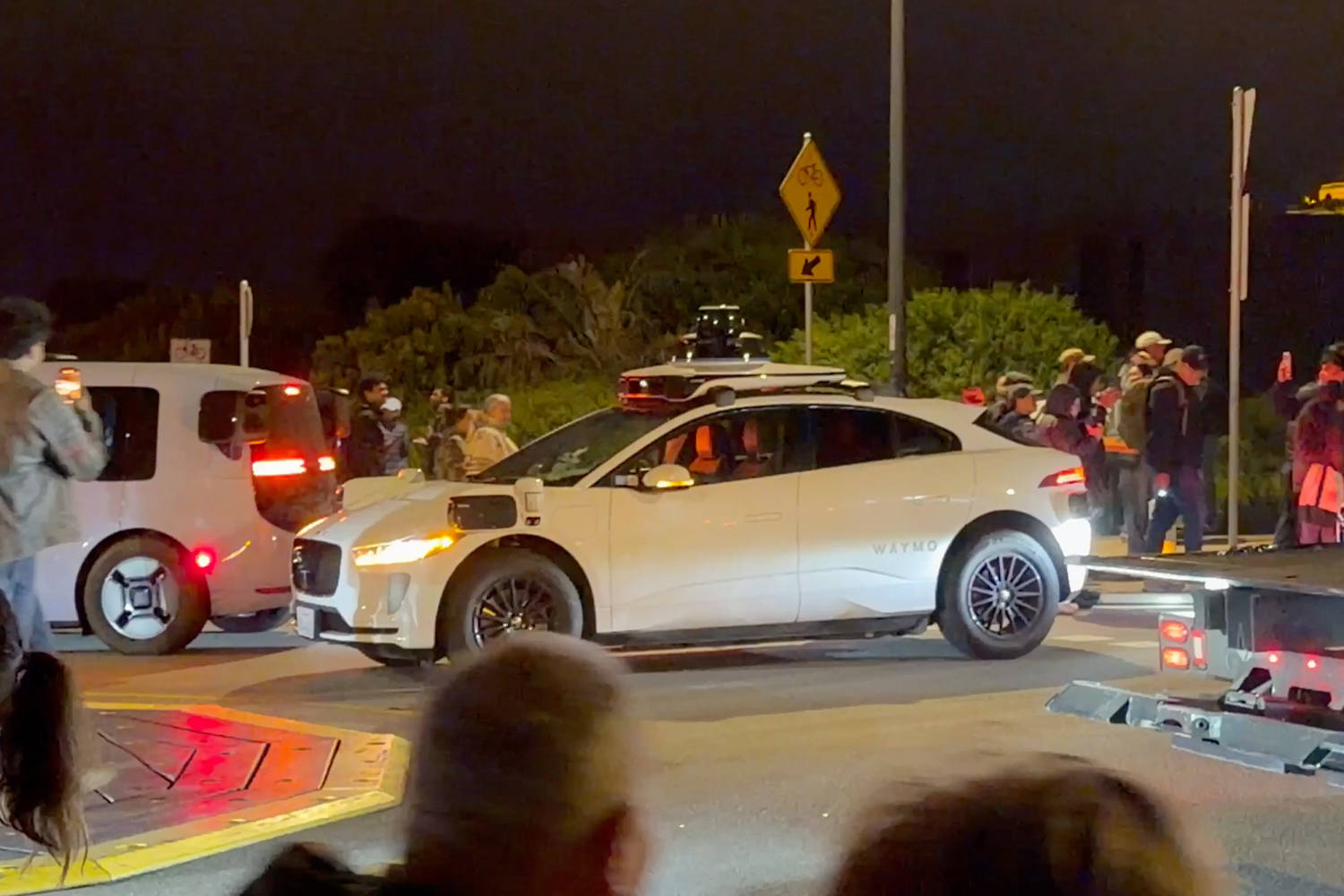
Autonomous vehicles cannot handle the holiday rush, and the consequences are stalling out on the streets of San Francisco. Over the July Fourth weekend, dozens of driverless Waymo vehicles ground to a halt across major city intersections, creating a massive logistical bottleneck. The culprit was not just a sudden influx of pedestrians or erratic human drivers, but a systemic failure where prolonged holiday gridlock drained vehicle batteries faster than the onboard software could calculate an escape route. When dense traffic paralyzes an autonomous fleet, the vehicles sit, run their heavy sensor suites, and slowly die in the middle of the road.
This structural vulnerability exposes a massive gap between autonomous promises and urban realities.
The High Cost of Autonomous Thinking
An autonomous vehicle is a rolling supercomputer. While a traditional gasoline or electric car consumes minimal power while idling in traffic, a driverless vehicle undergoes a massive, continuous computational strain. It must constantly process inputs from cameras, radar, and LiDAR sensors.
To understand why these cars stranded themselves, one must look at the energy math. A standard electric vehicle uses power primarily for propulsion and climate control. A driverless taxi adds a third, massive energy drain: the compute stack. Running multiple high-end processors to map environments, predict pedestrian behavior, and execute safety protocols requires significant wattage.
When a holiday like the Fourth of July hits San Francisco, traffic patterns degrade rapidly. Parades, street closures, and crowds of people moving unpredictably throw the routing algorithms into a loop. The vehicle stops. It recalculates. It waits. As the minutes tick by in a standstill bottleneck, the propulsion battery is steadily eaten away by the sheer computational power required to just sit there and look at the environment.
The Cascading Failure of a Dead Fleet
When a human-driven car runs out of fuel or battery, the driver pulls over, calls a tow truck, or pushes the vehicle to the curb. Driverless cars do not have that luxury.
When the battery drops below a critical threshold, the vehicle executes a hard safety stop. It bricks itself right where it stands to prevent a total power loss while in motion. During the July Fourth gridlock, this created a cascading failure. One Waymo vehicle stranded in a tight, two-lane San Francisco corridor immediately blocked the cars behind it. Because the software is programmed to follow strict traffic laws and avoid risky maneuvers, trailing autonomous vehicles often refuse to cross double-yellow lines to bypass a stalled leader.
The result is an artificial traffic jam caused entirely by the technology meant to solve it.
Recovery is a nightmare. Ground support teams must navigate the very same gridlock to reach the dead vehicles. Technicians cannot simply jump in and drive the car away; they must manually override the electronic braking systems or bring specialized flatbeds capable of hauling a dead two-ton computer out of a crowd of angry holiday revelers.
Moving Past the Hype
The industry frequently points to miles driven without accidents as the ultimate metric of success. This metric is flawed. The true test of an autonomous ridesharing network is resilience under stress, and currently, the system breaks down when cities are at their busiest.
Fixing this requires more than just bigger batteries. It demands a fundamental redesign of how these vehicles prioritize computing power when stationary. If a vehicle cannot safely navigate out of a gridlock zone within a specific time frame, it needs a low-power "hibernation" protocol that allows it to maintain basic communications and safety lights without draining its core battery pack. Until these fleets can survive a standard American holiday traffic jam without turning into multi-million dollar roadblocks, the dream of a fully driverless urban center remains stalled on the pavement.