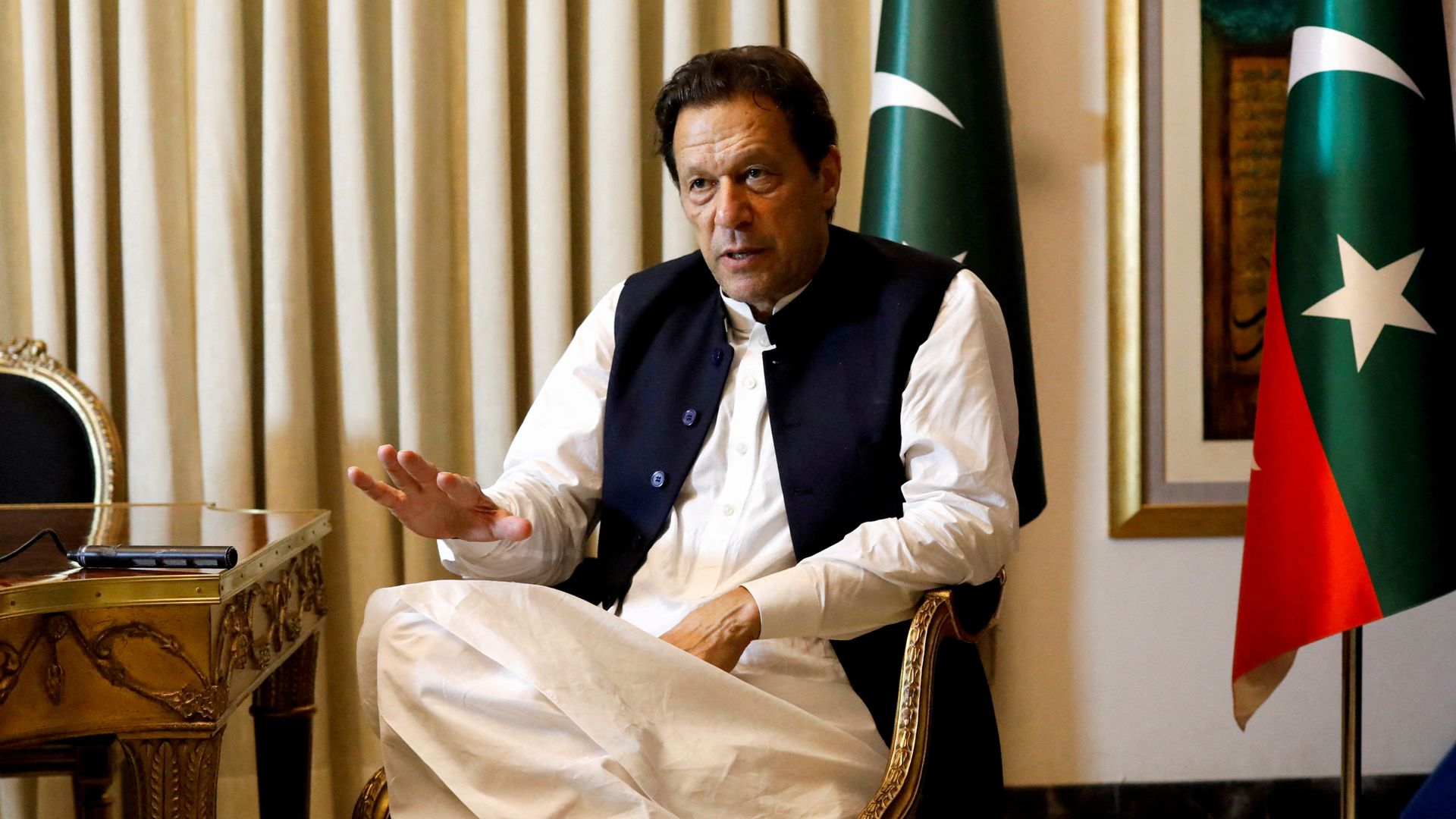
Cricket legends from around the world have broken their silence, issuing urgent public demands for proper medical care for former Pakistan prime minister and legendary captain Imran Khan.
Behind the polite diplomatic language of international statements lies a much darker reality regarding how sporting icons are treated when they fall out of political favor. The institutions that once built these heroes are now orchestrating a quiet erasure, hiding behind bureaucratic walls while a national treasure sits confined in precarious conditions.
The Anatomy Of Institutional Silence
When international voices such as Ian Botham, Greg Chappell, or other global cricket figures raise alarms about human rights and medical access, they are not merely expressing political opinions. They are responding to a systemic failure within Pakistan's penal and administrative infrastructure. For decades, Imran Khan was the face of Pakistani pride, leading the nation to its historic 1992 World Cup victory. Today, the state treats that legacy as a liability.
Prison authorities routinely dismiss medical concerns as standard political posturing. Family members and legal teams face unprecedented barriers just to secure basic health checks, let alone specialized care from independent physicians of choice. This obstruction creates an environment where preventable health risks multiply in the shadows.
+-------------------------------------------------------------+
|               CRICKET DIPLOMACY VS STATE CONTROL            |
+-------------------------------------------------------------+
|  Global Icons: Demand transparent medical access & rights   |
|  State Apparatus: Obstructs independent evaluations         |
|  Result: Heightened health risks & institutional distrust   |
+-------------------------------------------------------------+
The Historical Precedent Of Political Erasure
Pakistan has a long, troubled history of weaponizing state machinery against its former leaders. What makes the current crisis unique is the global visibility of the victim. Imran Khan is not just a politician who served a controversial term; he is a global sporting icon whose network spans continents and generations.
When a state turns on its most celebrated athletic hero, it signals a deeper institutional rot. The current administration relies on information blackouts and restricted visitation rights to manage public perception. Yet, every denial of medical access only strengthens the narrative that the incarceration is punitive rather than legal.
- Restricted Access: Independent doctors are repeatedly denied entry to assess chronic conditions.
- Information Vacuums: Family updates are filtered through opaque bureaucratic channels, fueling speculation and unrest.
- Global Backlash: International cricketing fraternities are beginning to view Pakistan's sports administration with profound skepticism.
The Cost To National Legacy
Beyond the immediate humanitarian concerns, this standoff inflicts long-term damage on the country's cultural standing. Sports diplomacy has always acted as a bridge for Pakistan, softening its geopolitical image through the sheer brilliance of its cricketers. By isolating Imran Khan and denying him the dignity of proper healthcare, the state is actively dismantling its own soft power.
Young athletes watching this saga unfold learn a cynical lesson. Excellence on the global stage offers no permanent immunity when the political tides shift. The message from the ruling apparatus is stark: loyalty to the state supersedes historical contribution.
The international outcry will not vanish quietly. As long as medical transparency remains absent, the global cricket community will continue to apply pressure, turning every health bulletin into a referendum on the current administration's legitimacy.