President Donald Trump announced a landmark energy pact giving the United States majority control over 65 billion barrels of proven Venezuelan oil reserves. Billed as a historic victory that doubles American reserves at zero cost to taxpayers, the administration frames the arrangement as a direct correction to past expropriations. Interim Venezuelan President Delcy Rodriguez reportedly granted a private joint venture a century-long concession across prime petroleum fields, with Washington securing a fifty-five percent stake split between direct equity and at-cost supply rights.
Strip away the political posturing, however, and the reality of South America's oil belt paints a vastly more complicated picture. Decades of institutional rot, severe infrastructure decay, and profound corporate skepticism cannot be bypassed by decree.
The Mechanics of the Concession
Washington plans to operate this vast pool of hydrocarbons through a hybrid corporate structure combining government equity with private management. Administration officials have positioned this venture as the second-largest corporate holder of proven oil reserves on the planet, trailing only Saudi Aramco. Secretary of State Marco Rubio projects the influx of roughly one hundred billion dollars in private capital to resurrect the crippled economy.
Yet capital alone does not pump oil. The fields designated under this agreement require billions of dollars in surface and subsurface rehabilitation before meaningful output can resume. Pipelines are corroded, upgraders designed to process heavy extra-heavy crude are sitting idle or operating at a fraction of their capacity, and skilled engineering talent has fled the country in droves.
Major multinationals remember the nationalization waves of past decades all too well. When Hugo Chávez seized foreign-owned assets, companies like ExxonMobil and ConocoPhillips lost billions. Though the current interim leadership under Rodriguez has signaled openness to foreign investment by easing legal restrictions, corporate boardrooms operate on multi-decade risk horizons rather than political news cycles.
Why Wall Street Remains Hesitant
Getting executives from Houston or London to commit billions to a sovereign entity that has historically treated private property as a revolving door is an uphill battle. Darren Woods, chief executive of ExxonMobil, noted earlier this year that despite theoretical opportunities, the local legal framework remains fundamentally uninvestable without structural guarantees that survive changes in regime.
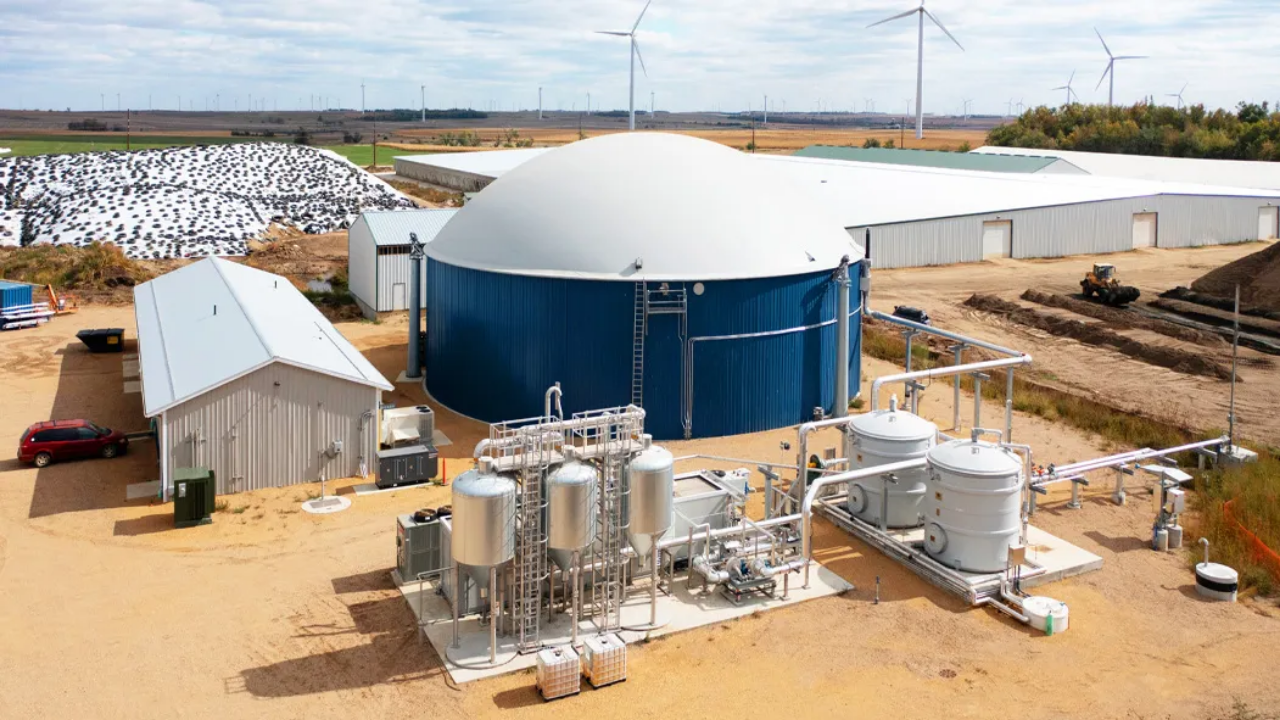
To illustrate the underlying operational friction, consider a hypothetical offshore platform or heavy oil upgrader in the Orinoco Belt. When power grids fail daily, specialized diluents are scarce, and local security is fragile, even a hundred-year concession is just a piece of paper. You cannot pipe crude through a legal contract. Without reliable electricity, stable supply chains, and absolute confidence in the sanctity of contracts, production forecasts remain speculative fiction.
Furthermore, the physical composition of Venezuelan crude presents a heavy technical hurdle. Most of the country's massive reserves consist of extra-heavy oil that requires specialized upgrading facilities to flow through standard transport systems and be refined efficiently. Most U.S. Gulf Coast refineries are optimized for heavy crude blends, which explains why there is a genuine strategic appetite for the resource. But bridging the gap between raw bitumen trapped in the ground and refined gasoline at American pumps requires heavy industrial lifting that takes years, not weeks.
The Geopolitical Gamble
Domestically, the timing of this announcement aligns with intense pressure on pump prices driven by prolonged disruptions in the Middle East. Strategic petroleum stockpiles have dwindled, and the White House needs a credible narrative of supply expansion to soothe nervous energy markets. By dangling the prospect of sixty-five billion barrels of new reserve access, the administration attempts to signal to traders that structural relief is on the horizon.
Markets, however, price reality over rhetoric. While traders acknowledge the sheer scale of Venezuela's underground wealth, they also look at current output numbers. Venezuela currently pumps a tiny fraction of its historical capacity, struggling to clear routine production ceilings due to broken equipment. Bringing those fields back online requires a painstaking process of clearing debris, drilling new wells, restoring electrical substations, and importing specialized machinery that is currently restricted by global supply chains.
The gamble hinges on whether private operators can be coerced or coaxed into taking the bait. If smaller independent firms step in to test the waters, they may pave the way for larger capitalization players. Alternatively, if legal challenges mount and local political instability flares up again, this grand transaction risks becoming another chapter in the long, troubled history of foreign energy ventures in South America.
The ink on the hundred-year concession is dry, but the valves remain shut. Turning political leverage into actual barrels flowing northward will test whether engineering and capital can overcome a legacy of broken promises.