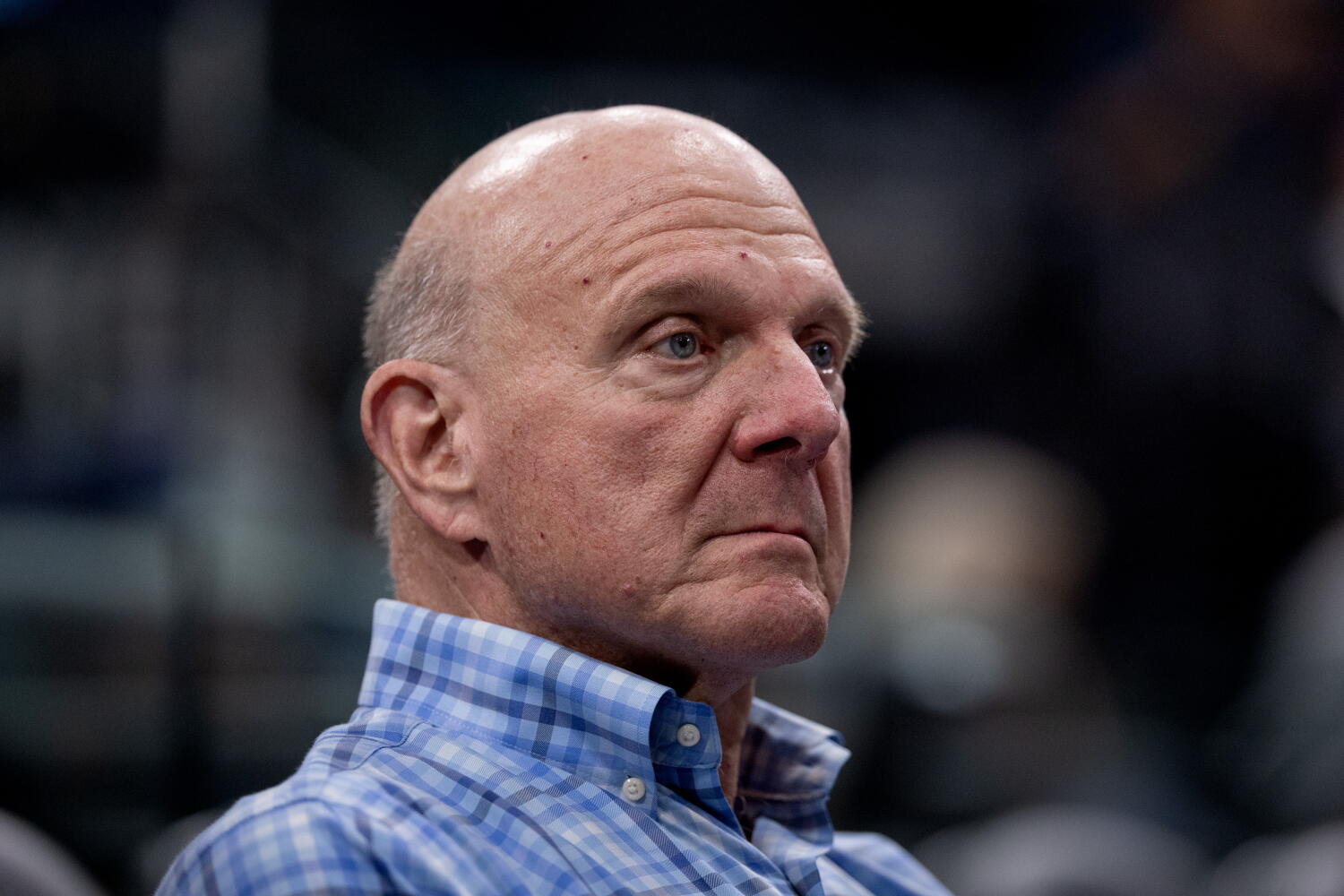
The National Basketball Association delivered a historic hammer blow to the Los Angeles Clippers, finalizing a yearlong independent investigation that unraveled a web of covert endorsement deals, executive deception, and systemic salary cap circumvention. Commissioner Adam Silver did not flinch. The league stripped the franchise of five first-round draft picks spanning from 2029 through 2033, levied a thirty-million-dollar fine against the team, and handed owner Steve Ballmer a one-year suspension.
For an organization that spent years projecting an image of tech-infused invulnerability under the wealthiest owner in professional sports, the ruling exposes a fragile reality. This is not merely a bureaucratic wrist-slap for creative accounting. It represents an existential threat to a franchise built on high-stakes shortcuts. The investigation, helmed by the New York law firm Wachtell Lipton, exposed how the franchise worked in tandem with player representation to funnel millions outside the rigid confines of the collective bargaining agreement.
The roots of this crisis stretch back to the summer of 2019, when Kawhi Leonard arrived in Southern California alongside Paul George in a blockbuster transaction that reshaped the Western Conference. Behind the scenes, however, the recruitment blueprint relied on mechanics that directly violated league bylaws. Investigators concluded that the franchise orchestrated impermissible off-court income opportunities for Leonard through multiple corporate partners doing business with the team.
At the center of the financial machinery was a twenty-eight-million-dollar agreement between Leonard's personal entity, KL2 Aspire, LLC, and Aspiration Partners, a fintech startup. Ballmer, who had invested heavily in Aspiration, approved complementary business arrangements designed to offset the financial exposure for the struggling firm. The Wachtell Lipton report established that Ballmer knowingly maneuvered to assist his star forward in securing external revenue streams, establishing a dangerous precedent where corporate sponsorship became an extension of team payroll.
The fallout spares few within the executive suite. Gillian Zucker, president of business operations, received a one-year suspension after investigators found her directly culpable for orchestrating the endorsement framework and providing misleading statements during testimony. Lawrence Frank, president of basketball operations, absorbed a six-month ban for managing unauthorized expenses for Leonard and his family. Meanwhile, Leonard was hit with a seven-hundred-thousand-dollar penalty, and his uncle and former business representative, Dennis Robertson, received a lifetime-equivalent five-year ban from conducting business with any NBA franchise.
Yet, the monetary fines are largely symbolic. Ballmer possesses a personal net worth exceeding one hundred fifty billion dollars, rendering a thirty-million-dollar organizational penalty nothing more than a rounding error on a balance sheet. The true devastation lies in the asset forfeiture. Stripping a professional basketball team of five consecutive first-round draft selections acts as a multi-year institutional anchor. Modern team-building relies heavily on cost-controlled rookie scales and high-ceiling draft capital to sustain competitiveness once max-contract veterans age or exit. Without a natural first-round pick until well into the next decade, the franchise faces a grueling path toward organic roster rejuvenation.
The defensive posture adopted by the organization throughout the ordeal quickly dissolved under the weight of the evidence. Team officials issued vehement public rejections of the findings, characterizing the probe as a biased endeavor fueled by a predetermined narrative. That rhetoric collided with the reality of sworn testimony and internal corporate communications unmasked by the independent investigators. When confronted with documents tying team expenditures directly to player compensation packages, the line between aggressive recruiting and outright circumvention vanished.
Leonard, who agreed to a trade earlier in the summer sending him back to the Toronto Raptors, released a statement accepting responsibility for lapses in judgment within his inner circle. His departure to Canada, previously placed in administrative limbo while the league completed its fact-finding mission, can now proceed without the threat of a contract void. For the Raptors, acquiring a generational two-way talent offers immediate sporting upside, though the baggage accompanying the player requires careful locker-room management.
The broader implications for the league point toward heightened scrutiny of third-party corporate partnerships involving star athletes. Ownership groups across professional sports frequently maintain diverse venture capital portfolios and business investments. When those private commercial interests intersect with player acquisition and retention, the boundary separating legitimate enterprise from salary cap evasion becomes intensely blurred. The Wachtell Lipton findings establish a stern benchmark. Any future attempt to subsidize a player's lifestyle through corporate affiliates tied to ownership will face aggressive independent auditing.
As the dust settles over Los Angeles, the franchise enters an era of mandatory compliance monitoring overseen directly by league officials for the next five years. The gleaming new arena in Inglewood, designed to symbolize a bold, independent future for a team long overshadowed by its Staples Center co-tenant, now hosts an organization stripped of its foundational draft assets and nursing an injured reputation. The bill for bypassing the rules has finally arrived, and the collection process will consume the entirety of the next decade.
.png?width=1200&auto=webp&trim=0%2C0%2C0%2C0)