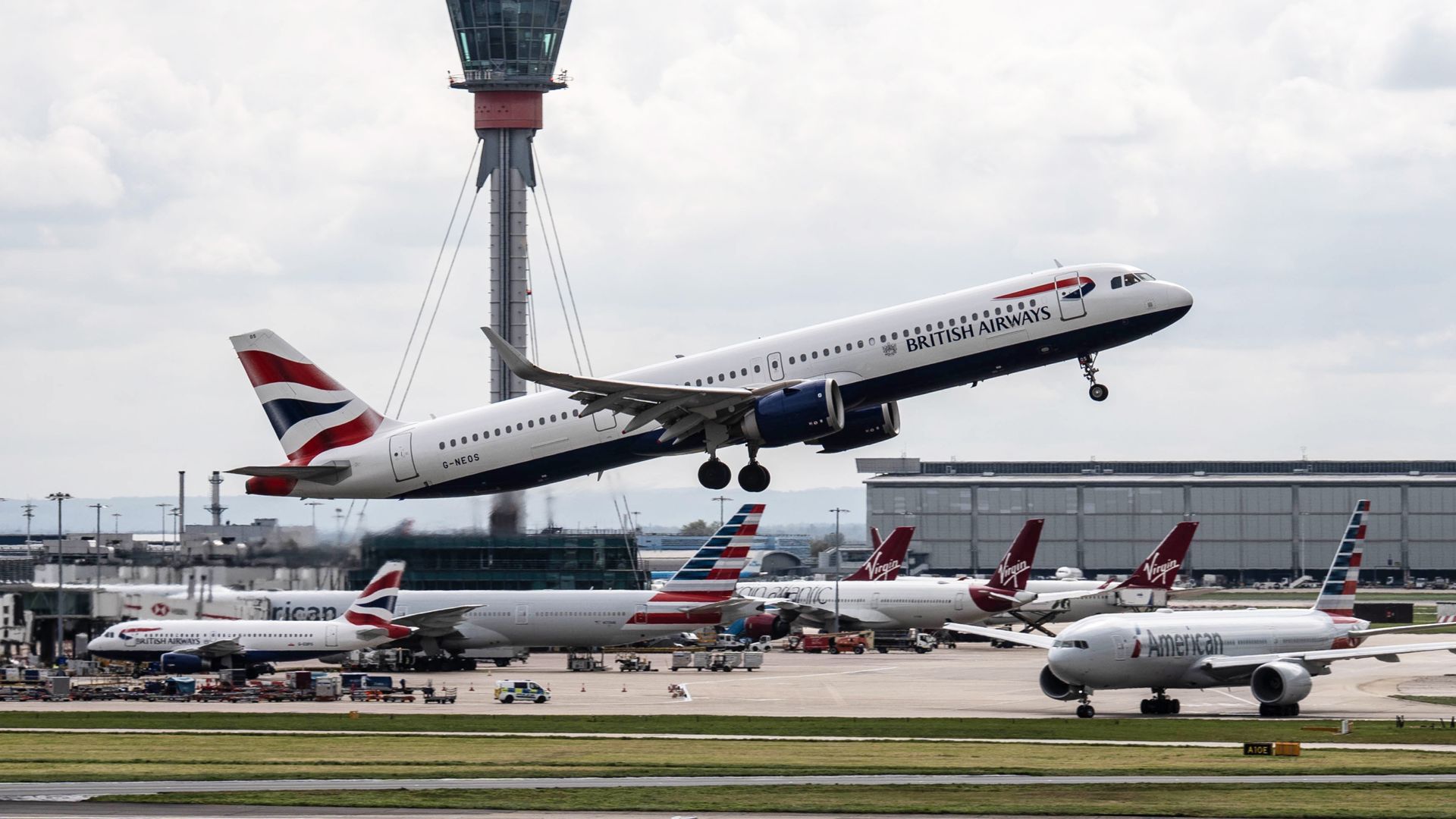
The headlines look like a disaster movie script. War in the Middle East, a literal stranglehold on the Strait of Hormuz, and kerosene prices that have doubled in a heartbeat. You’d think the aviation industry would be boarding up its windows and preparing for a total shutdown. But if you listen to Luis Gallego, the boss of IAG—the giant that owns British Airways—the vibe is surprisingly calm. He’s not just hopeful; he’s confident that your summer holiday flight isn't going to be scrapped due to a lack of fuel.
It sounds like corporate spin, doesn't it? When the world’s most critical oil arteries are under pressure, how can an airline group expect to keep thousands of planes in the sky without a hitch? The answer isn't just luck. It's a mix of aggressive financial gambling, massive infrastructure investments, and a cold-blooded redeployment of planes from war zones to more profitable markets like Singapore and the US.
The price of peace of mind
Let’s get the big numbers out of the way. IAG expects its fuel bill to hit €9 billion this year. That’s about €2 billion more than they originally planned for. In any other business, a €2 billion surprise would be a death sentence. For British Airways and its sister brands like Aer Lingus and Iberia, it’s a massive bruise, but not a broken bone.
The reason they’re standing tall is hedging. IAG has locked in 70% of its fuel needs for the rest of the year at prices set before the US and Iran started trading blows. While other smaller, less prepared airlines are currently forced to buy fuel at "spot" prices—basically paying whatever the market demands today—BA is coasting on contracts signed when the world was a bit quieter.
But hedging only solves the price problem. It doesn't put actual liquid into the tanks.
Self-supply and the hub advantage
Supply is the real boogeyman this summer. If the fuel physically isn't there, no amount of financial planning matters. This is where BA’s strategy at Heathrow and other major hubs pays off. IAG has spent years investing in "self-supply" arrangements. They don't just wait for a truck to show up; they own pieces of the infrastructure that get the fuel to the wing.
Right now, the group says there are no issues with fuel availability in their main markets. The UK government agrees. Recent data shows that despite the noise, only about 0.53% of UK flights were cancelled in May, and most of those were direct routes to the Middle East. For the summer months of June through August, that cancellation rate is projected to be as low as 0.2%.
Where your flight is actually going
You might notice some changes in where you can fly. BA has been moving its chess pieces around the board. They’ve pulled capacity out of the Middle East—which only accounted for 3% of their business anyway—and sent those planes elsewhere.
If you're looking for a seat to Bangkok, Singapore, or the Maldives, you’re in luck. Those routes are seeing more capacity because BA is filling the gap left by Middle Eastern carriers that are struggling with the geography of the conflict. They're also doubling down on "winter sun" spots like the Caribbean and Sri Lanka, betting that even if fuel stays expensive, people won't give up their holiday.
The catch for your wallet
Don't celebrate just yet. While your flight probably won't be cancelled, it definitely won't be cheap. Gallego was blunt about this: fares have to go up.
Airlines are in a bind. They need to recoup that extra €2 billion fuel cost. Long-haul and premium cabins (the folks in Business and First) will bear the brunt of this. It’s harder for BA to hike prices on short-haul flights around Europe because the competition from low-cost carriers is too fierce. But for that dream trip to New York or Nairobi? Expect the "fuel surcharge" to feel more like a gut punch.
Why some airlines won't survive
There’s a darker side to IAG’s confidence. They know that while they can weather this storm, others can't. We’ve already seen US budget carrier Spirit fold. Gallego basically hinted that this crisis is an opportunity for "consolidation." In plain English: he expects weaker European airlines to fail, leaving more of the market for IAG to grab.
It’s a survival of the fittest moment. The airlines with the best fuel-saving tech—like the newer planes that burn 15% less kerosene—and the deepest pockets for hedging will be the only ones left standing when the dust settles.
What you should do now
If you’ve got a trip booked, don't panic. The data suggests the "fuel shortage" narrative is currently overblown for passengers in the UK and US. However, you shouldn't wait to book your next trip.
- Lock in prices now: Fuel costs are only going one way. The fares you see today are likely the cheapest they’ll be for the rest of the year.
- Check your insurance: Ensure it covers "geopolitical disruption" or "airline failure," just in case the consolidation Gallego mentioned hits a carrier you’re booked with.
- Fly direct: Hub-to-hub routes (like London to NYC) are the highest priority for fuel supply. If shortages do hit, these are the last flights to be cut.
British Airways is betting €9 billion that they can keep flying through a war zone. For now, the odds are in their favor, but your summer holiday is officially an expensive luxury again.