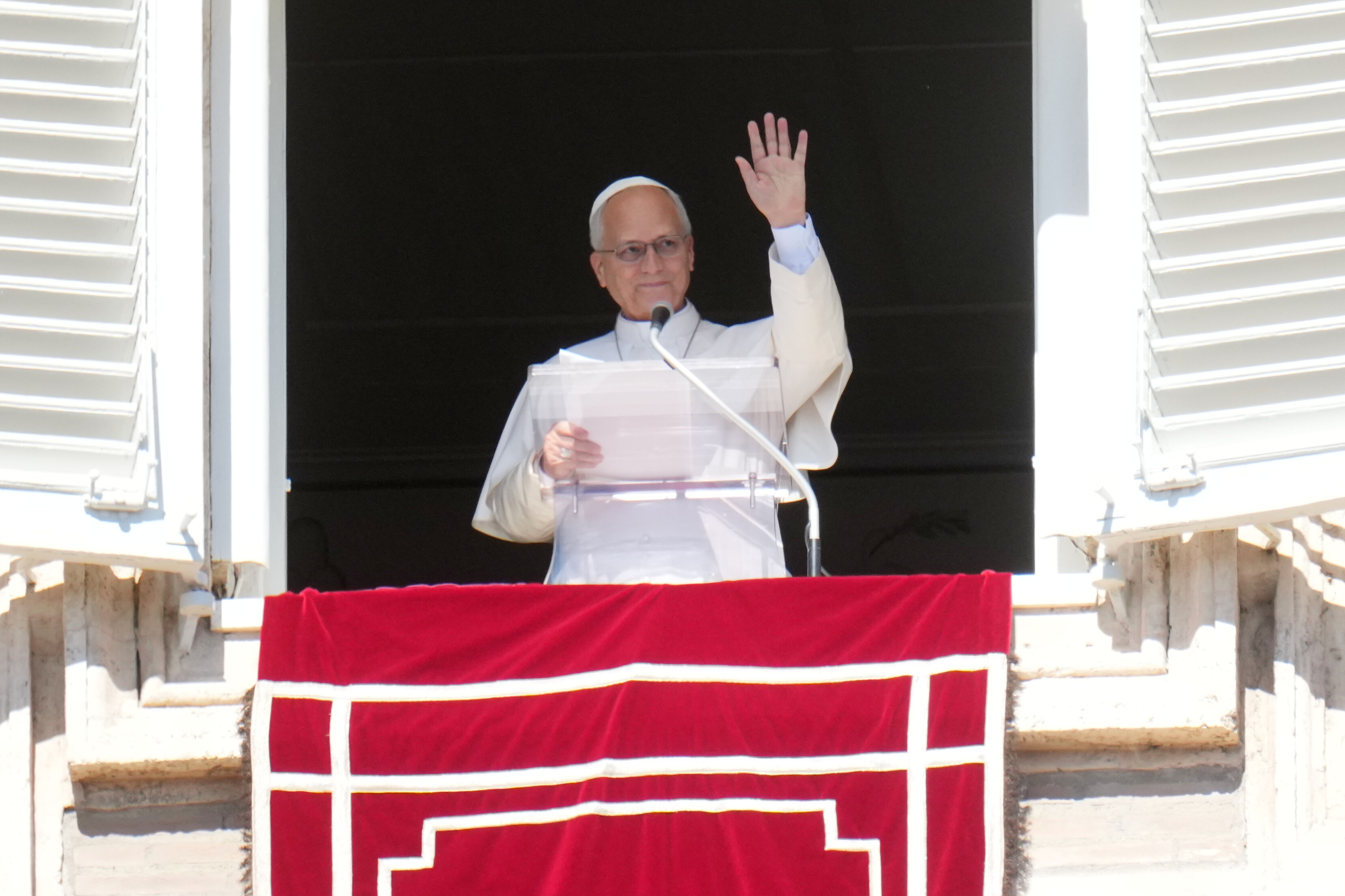
The marble of Saint Peter’s Square has absorbed centuries of footsteps, whispers, and silent tears. It is a stone surface built to endure epochs, indifferent to the fragile biology of the men who walk upon it. Yet this week, the immense weight of the Vatican seems to contract, focusing entirely on a single room, a single set of lungs, and a scheduled procedure that has drawn the quiet attention of a billion souls. Pope Leo XIV is set to undergo lung surgery.
To reduce this moment to a medical bulletin is to miss the profound human vulnerability at the heart of the papacy. We tend to view spiritual leaders as monuments—eternal, unchanging, immune to the quiet decay of human tissue. But beneath the heavy white cassock beats a mortal heart, and within that chest resides a pair of lungs that have labored through decades of impassioned speeches, nocturnal prayers, and the unyielding burdens of global leadership. Don't forget to check out our earlier article on this related article.
Consider what it means to hold an office where every breath is scrutinized. Every cough picked up by a microphone is analyzed by markets, diplomats, and the faithful. Every rasping sentence becomes a subject for frantic speculation. When a pontiff enters an operating room, the antiseptic smell of modern medicine collides with ancient ritual. The sterile theater of the hospital contrasts sharply with the gilded halls of the Apostolic Palace, reminding everyone that the vicar of Christ shares the same fragile, fleeting breath as the lowliest pilgrim kneeling outside the basilica gates.
Respiration is our most intimate rhythm. It is the invisible tether keeping us bound to the earth. Long before words are formed, air moves through the body, carrying the quiet fuel of existence. For an aging leader, the lungs tell a story of endurance. Decades of climate shifts, relentless international travel, drafty basilicas, and the sheer physical toll of addressing massive crowds take a cumulative toll on respiratory tissue. If you want more about the history here, USA Today provides an informative summary.
Medical interventions at this level are delicate dances between science and statecraft. The surgical team does not merely repair anatomical structures; they hold the current voice of a global moral institution in their hands. They operate under a spotlight that reaches every corner of the globe. Every update from the surgical suite will be translated into dozens of languages, broadcast across television networks, and whispered in hushed tones in parish halls from Manila to Buenos Aires.
History teaches us that the physical health of a pope is never a private matter. In earlier centuries, illness was often shrouded in mystery, accompanied by secret conclaves of physicians and frantic political maneuvering behind velvet curtains. Today, the transparency of modern medicine strips away that medieval secrecy, replacing the mystery with clinical precision, monitors, and press briefings. Yet, the emotional resonance remains unchanged. The anxiety of waiting is universal. Whether one is Catholic or secular, deeply devout or intensely skeptical, the sight of a human being surrendering to anesthesia—leaving control behind in the hope of renewal—touches a deeply shared chord of empathy.
The procedure itself represents a fragile intersection of human ingenuity and biological limit. Surgeons rely on decades of accumulated knowledge, steady hands, and advanced imaging technology to navigate the intricate labyrinth of the chest cavity. They work in absolute silence, save for the rhythmic beeping of monitors, cutting away disease or repairing damage with meticulous care. It is a humbling reminder that for all our grand philosophies, technological leaps, and theological debates, we remain entirely dependent on the simple, mechanical expansion of tissue to stay alive.
When the anesthesia wears off and the pontiff opens his eyes, the immediate concern will not be geopolitics, encyclicals, or diplomatic relations. It will be the simple, burning sensation of a raw throat. It will be the hesitant, conscious effort to draw a full breath. In that quiet recovery room, stripped of the ceremonial pomp and the grand titles, there is only a person healing.
And that is where the true narrative lies. Not in the bulletins or the medical jargon, but in the universal narrative of healing and survival. We watch because we recognize ourselves in the struggle. We all carry scars, both visible and invisible. We all know what it means to face a moment where our bodies demand rest, repair, and a leap of faith into the hands of others.
As the days unfold and the medical staff provides their guarded updates, the world outside will keep turning, fueled by the hope that the voice which has comforted the broken and challenged the powerful will soon return, steady and clear, to fill the vast expanse of Saint Peter's Square once more.

