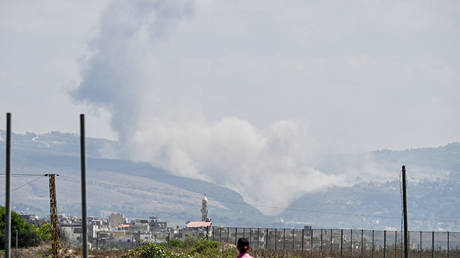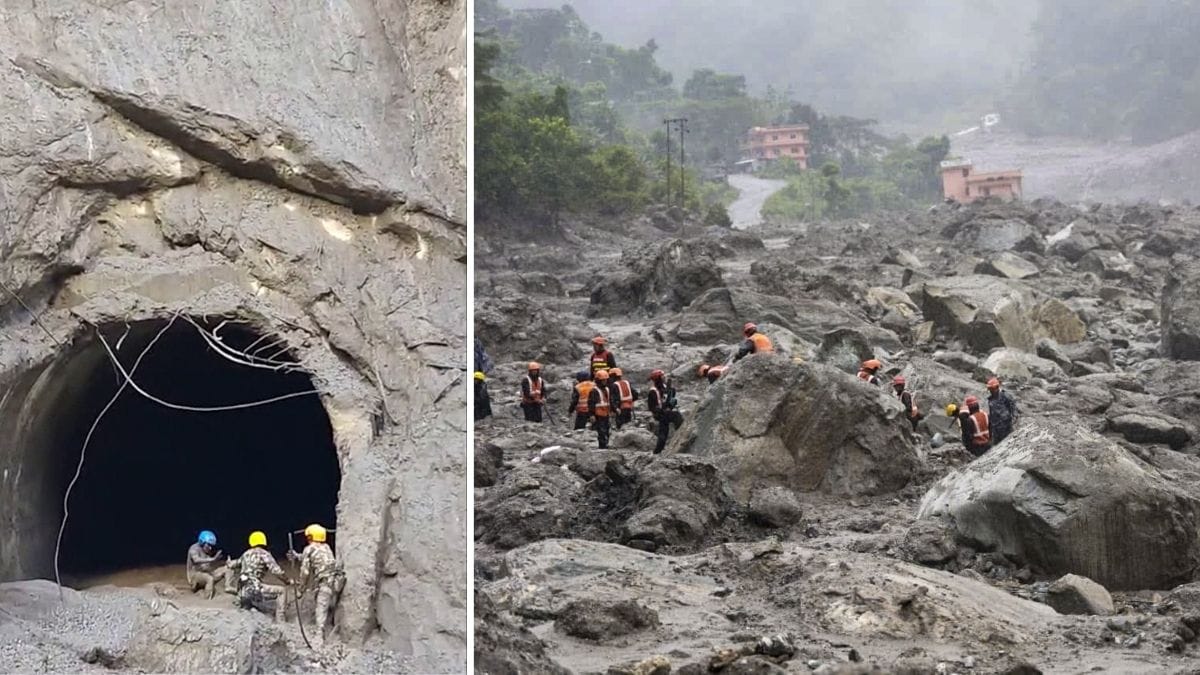
The mountain does not care about schedules. It does not check the shift logs, nor does it ask whether the concrete poured yesterday has cured. It only knows weight, gravity, and the sudden, violent urge to slide.
Ask anyone who has lived within the shadow of the Himalayas during the monsoon. You smell it before you see it. The air thickens, heavy with the metallic tang of wet slate and the organic rot of uprooted pine. Then comes the sound. Not a roar, but a deep, subterranean groan, like the earth itself is tearing open at the seams.
Yesterday, that groan became a reality for nine hundred souls working deep inside the tunnels of a Himalayan hydropower project in Nepal.
Heavy rains triggered catastrophic floods, sending millions of tons of mud, rock, and churning debris crashing down the valleys. The surge did not just wash away roads and bridges. It hunted. It poured directly into the subterranean corridors where workers were busy carving energy out of the stone. Now, rescuers are locked in a desperate race against time, excavating dense, heavy mud and pumping compressed air into sealed tunnels, praying that pockets of oxygen still exist somewhere in the dark.
Silence.
That is what the rescuers face first.
Picture the scene. A tunnel boring machine stands cold, its massive steel teeth choked with gray slurry. The lights flickered once and died, leaving men stranded thousands of feet beneath the surface in absolute, crushing blackness. There are no maps for this kind of terror. There is only the frantic scrape of a shovel against wet earth, the hiss of pneumatic pumps forcing precious air through narrow hoses, and the agonizing wait for a sound—a tap on a pipe, a distant shout—from the other side of a collapsed bulkhead.
We talk about infrastructure as if it were purely abstract. We look at charts showing megawatts generated, grid stability achieved, and economic growth fueled by renewable water power. We talk about percentages and output targets. But behind every kilowatt-hour stands a human being with a family waiting for dinner, a set of muddy boots by the door, and a life entirely detached from the corporate spreadsheets of energy firms.
When a project of this scale goes wrong, the human cost is immediate and staggering.
Consider what happens next. The water recedes slowly, leaving behind a thick, cement-like sludge that hardens as it dries. Every hour spent clearing that debris is an hour working against the hardening earth. Rescuers are using heavy machinery where possible, but mostly they are using bare hands, small picks, and sheer willpower. They are navigating flooded chambers where a single misstep could trigger a secondary collapse.
It is terrifying work.
The engineers and local volunteers leading the recovery efforts know the risks better than anyone. They understand the geology of these young, fragile mountains. They know that the Himalayas are still growing upward, millimeter by millimeter, which makes them inherently unstable, prone to sudden fractures when lashed by unseasonal, torrential downpours. Climate volatility has rewritten the rules of survival in the region. Monsoons arrive with less predictability, dumping months of rain in a matter of hours, turning dry riverbeds into roaring torrents of destruction.
Yet, work must proceed. Lives must be saved.
As the air pumps hum steadily through the night, feeding oxygen into the deep arteries of the mountain, a fragile hope keeps the rescue crews moving. Every stroke of the excavator brings them closer to the missing workers. Every compressed breath pushed down the line is a defiant message sent into the dark: Hold on.
The mountain holds its breath, too. And somewhere beneath the crushing weight of stone and silt, nine hundred families wait for the dawn.