The coffee in Kiryat Shmona is always served with an unspoken calculation. You look at the ceramic mug, you look at the door, and you measure the distance in seconds. For decades, life along the jagged line separating northern Israel from southern Lebanon has not been measured in miles or kilometers. It is measured in the brief, terrifying window between a warning siren and an impact.
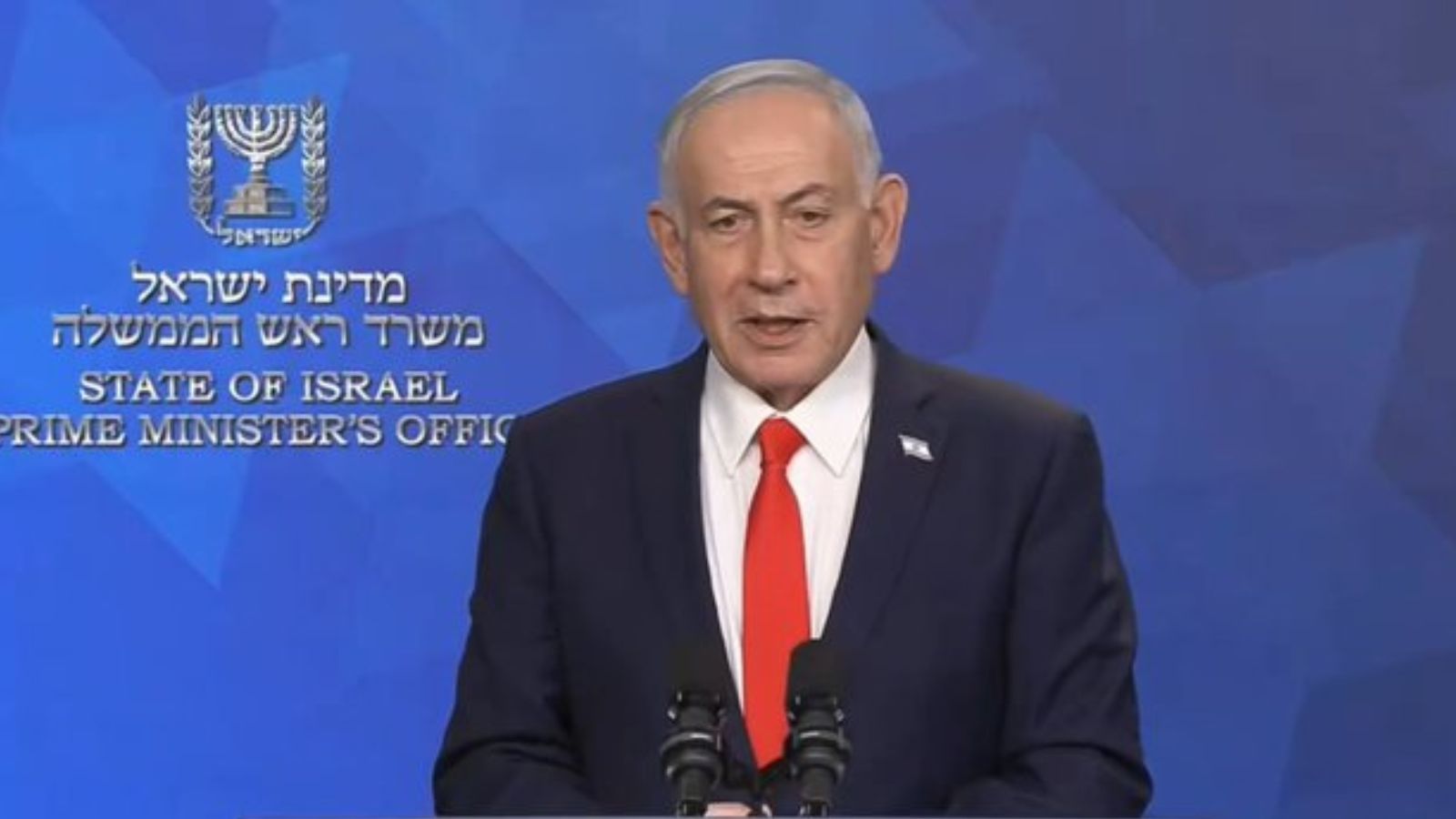
When Israeli Prime Minister Benjamin Netanyahu announced that military forces would continue operations against emerging threats across that border, the international community processed it as a standard geopolitical update. It was a line item in a news briefing. A row of text on a rolling ticker. But on the ground, those words carry a weight that alters the literal architecture of human lives.
To understand the stakes of a protracted military operation in southern Lebanon, one has to look past the troop movements and the maps shaded in conflicting colors. You have to look at the windows. In the north of Israel, windows are reinforced. In the south of Lebanon, windows are often left open, a desperate attempt to keep shattering glass from turning into shrapnel when the sonic booms hit. This is the reality of a borderlands existence where peace is not an active state, but merely the anxious intermission between conflicts.
Consider a hypothetical family living on either side of this divide. We can call them the Galileans and the Southerners. They do not know each other, yet their daily routines are dictated by the exact same set of anxieties. When an drone hums in the sky, both families look upward. One fears the launch; the other fears the response. For the Israeli government, the continuation of operations is framed as an absolute necessity for homeland defense, a proactive dismantling of infrastructure meant to prevent another catastrophic breach. For the civilians in southern Lebanese villages like Marjayoun or Bint Jbeil, it means the return of a familiar, suffocating dread.
The core of the issue is not merely tactical. It is psychological. Netanyahu’s stance reflects a deeply ingrained doctrine of Israeli security: the belief that stability is achieved only through absolute deterrence. The argument is that as long as armed factions retain a foothold along the Litani River, the entire northern region of Israel remains unlivable. More than eighty thousand Israelis were displaced from their homes in the north, turning vibrant agricultural communities into ghost towns guarded only by soldiers and stray pets. The operation is, at its heart, an attempt to reverse that displacement.
But deterrence has a mirror image. In Lebanon, a nation already buckling under the weight of an unprecedented economic collapse, every air strike and artillery barrage chips away at what little infrastructure remains. The roads that connect the southern villages to Beirut are pitted with craters. Power grids, already fragile, flicker and die. The stakes are invisible to an outside observer reading a headline about "surgical strikes," but they are blindingly obvious to a farmer watching his olive groves burn from a stray incendiary shell. Olive trees take decades to mature. When one burns, a piece of a family's future dies with it.
The complexity of this conflict often confounds those who view it from afar. Why can't the border simply be policed by international peacekeepers? The United Nations has had a presence there for years, yet the buildup of weapons and the digging of attack tunnels continued largely unchecked. This failure of international mediation is what drives the current Israeli strategy. The consensus within the Israeli military establishment is that relying on third-party promises is a luxury they can no longer afford. If you want a threat removed, you have to remove it yourself.
This logic is hard to argue with if you are sitting in a bomb shelter in Metula, listening to the thud of mortar fire. It feels entirely different if you are a doctor in a poorly equipped hospital in Tyre, trying to treat casualties with dwindling medical supplies. The truth of the border is that both perspectives are entirely coherent to the people living them, and entirely irreconcilable with each other.
The narrative of statecraft often forgets the sensory details of war. It forgets the smell of ozone and pulverized concrete that lingers in the air long after a strike has ended. It forgets the specific, high-pitched ring that stays in your ears after a detonation. It ignores the way children freeze when they hear a motorcycle rev its engine, mistaking the mechanical roar for the incoming whine of a rocket.
As the operations press forward, the strategic goals remain clear on paper: push the threat back, destroy the launchpads, secure the perimeter. Yet the human cost accumulates in the margins. Every day the operations continue is another day a child misses school, another day a shop owner keeps their shutters closed, another day that the concept of a normal life recedes further into the realm of memory.
There is no neat resolution waiting at the end of a military campaign along this border. History has shown that lines drawn in the sand here tend to blur, and positions taken today become the battlegrounds of tomorrow. The operations will continue because the political and security imperatives demand it, but the true cost will be paid in the quiet, enduring trauma of the people who have nowhere else to go.
The sun sets over the hills of Galilee and the ridges of southern Lebanon, painting the landscape in shades of deep orange and purple. It is a view that should inspire peace. Instead, as the shadows lengthen, the lights in the villages go out one by one, not out of sleepiness, but out of caution. In the dark, the border remains awake, listening to the sky.

/https://tf-cmsv2-smithsonianmag-media.s3.amazonaws.com/filer/c6/97/c697b065-e0bd-4970-81ea-819779296b91/u765404inp.jpg)
