Walk into any grocery store in America on a Sunday morning and watch the hands hovering over the produce bin. People squeeze gently, testing the skin for that exact yield that promises a ripe Hass avocado. They toss three or four into a mesh bag, thinking about brunch, healthy fats, or game-day guacamole. Nobody standing under those bright fluorescent lights smells cordite. Nobody hears the heavy thud of a tactical boot kicking down a wooden door in western Mexico before dawn.
Yet those two worlds are stitched together by the exact same supply chain.
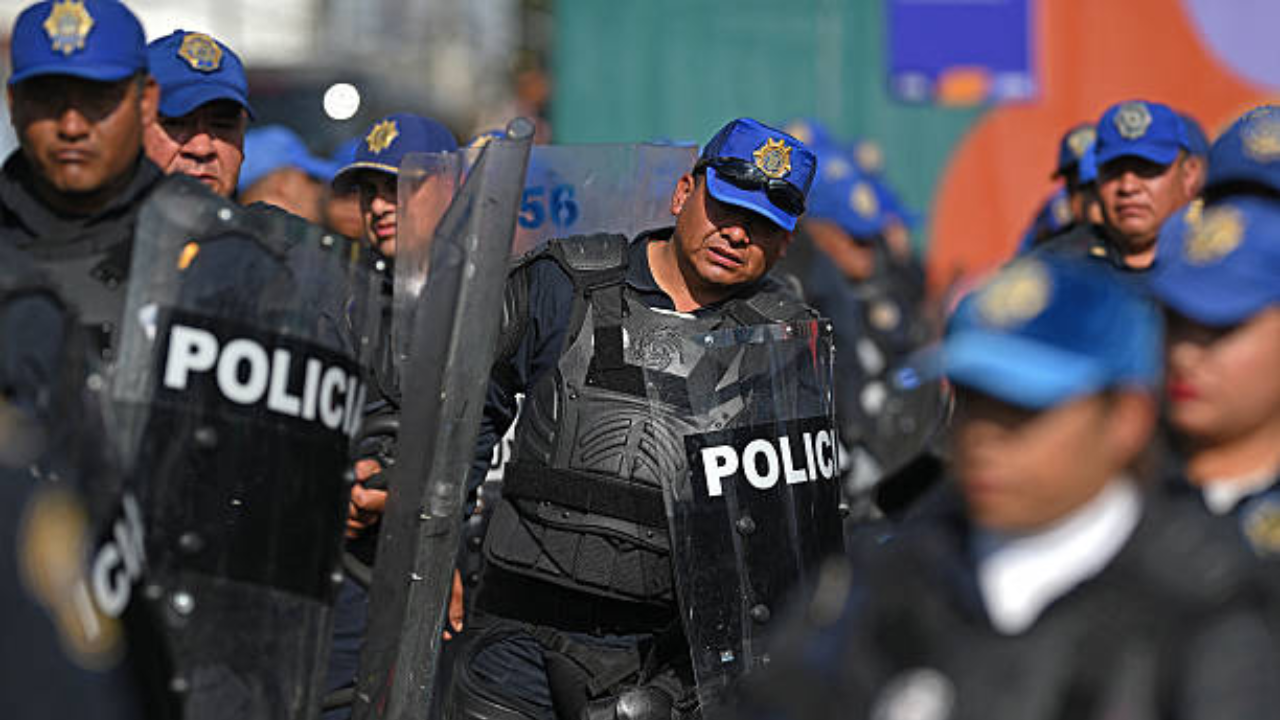
This week, Mexican federal forces announced a major tactical strike. They arrested an alleged cartel leader wanted on federal charges in the United States, alongside nineteen other suspects. According to official briefings from Mexican security authorities, the captured boss is directly linked to two brutal hallmarks of modern organized crime in Michoacán: the assassination of a local mayor and the systematic extortion of the region's multi-billion-dollar avocado industry.
Headlines like that usually vanish from our feeds by lunchtime. They read like distant weather reports from a war zone that has nothing to do with our quiet kitchens.
We have that completely backward.
The Anatomy of a Ransom
To understand why twenty arrests in rural Mexico matter to anyone holding a chef’s knife in Chicago or Austin, step out of the supermarket and stand inside an orchard in Michoacán.
Picture a hypothetical grower—let’s call him Mateo. Mateo’s family has tended sixty acres of volcanic, mineral-rich soil on the slopes near Uruapan for three generations. His hands are stained permanently dark at the knuckles from pruning branches and checking soil moisture. For decades, his biggest enemies were late frosts, fungal blight, and fluctuating wholesale prices.
Then the men in unmarked pickup trucks arrived.
Criminal syndicates in Mexico realized years ago that fighting endless, bloody wars over smuggling routes for narcotics carried massive overhead and constant heat from the Drug Enforcement Administration. Agricultural extortion, by contrast, is practically self-auditing. You cannot hide an avocado grove in the trunk of a car. Trees take years to mature, and once the fruit hangs heavy on the branch, the farmer has a tiny window to harvest before the crop rots.
The cartel didn't need to smuggle a single gram of powder across the border to make millions off Mateo. They simply walked onto his land with automatic rifles and demanded a "tax" per hectare, plus a cut of every crate loaded onto a packing-house truck.
Refuse, and your packing shed burns to the ground before morning. Pay, and you become an involuntary financier for an armed insurgency.
This is what economists call a shadow tariff, though that phrase is far too clean for the reality on the ground. In practice, it functions like a protection racket run by heavily armed warlords who have access to municipal property records. They know how many trees Mateo owns. They know how many tons he shipped last quarter. And when local officials try to step between the growers and the gunmen, the message is delivered in broad daylight.
When the Shield Breaks
Mayors in Mexico’s agricultural heartland occupy one of the deadliest jobs on earth. Unlike federal officials who travel in armored convoys surrounded by soldiers, a municipal mayor lives among their neighbors. They walk the town square. Their children attend local schools.
When a mayor refuses to hand over control of the local police force or pushes back against extortion rings squeezing local farmers and packers, they become an immediate target. The suspect arrested in this latest sweep isn't merely accused of shaking down orchard owners; investigators tie him directly to the killing of a sitting mayor—a calculated execution designed to terrorize every other elected official in the region into silence.
Think about what happens to a town the morning after its mayor is gunned down.
Institutions evaporate overnight. Police officers take off their badges or quietly start taking orders from the men who pulled the trigger. Judges stop signing warrants. Business owners stop calling emergency lines because they no longer know who answers the phone on the other end.
I have spent years reporting on cross-border supply chains and speaking with growers who refuse to let their real names appear in print, and the fear they describe isn't the sudden panic of a shootout. It is a slow, suffocating claustrophobia. You check your rearview mirror every time you drive into town for fertilizer. You wonder if the teenager leaning against a lamppost outside your gate is waiting for a bus or logging the license plates of your trucks. You realize that the state—the thing supposed to enforce contracts and protect your life—has simply packed up and left.
Why Washington Wants Him
So why does a suspect accused of terrorizing Mexican farmers and murdering a Mexican politician appear on a wanted list in the United States?
Because criminal empires do not respect lines drawn on a map.
The same organization that extorts avocado packers in Michoacán uses those untaxed millions to buy high-powered weaponry smuggled south from American gun shops. Those profits subsidize the trafficking of synthetic opioids north into American communities. And when cartel factions fight over who gets to tax the orchards, the violence spills across shipping corridors, disrupting trade and forcing U.S. agricultural inspectors to periodically suspend certifications for Mexican fruit—a move that sends grocery prices spiking across North America within days.
Remember early 2022, when the U.S. government temporarily halted avocado imports from Michoacán after an American plant-safety inspector received a direct threat?
Panic.
Restaurant chains scrambled. Wholesale prices surged to their highest levels in more than two decades. For a brief, frantic week, the hidden machinery behind America’s favorite superfood flashed into public view. Then the ban was lifted, the trucks rolled across the border at Laredo and Pharr once again, and the collective amnesia settled back in.
The Trap of the Clean Ledger
When Mexican security forces announce a major arrest—twenty suspects in cuffs, a high-value target off the board—the natural instinct is to treat it like the final scene of a crime drama. Justice served. Problem solved.
It is rarely that simple.
Removing the head of a criminal cell creates a vacuum, and vacuums in cartel territory are almost always filled with gunpowder. Lieutenants fracture into rival splinter groups. Each new faction demands its own "tax" from growers like Mateo, meaning farmers often end up paying two or three different gangs just to keep their families alive while the dust settles.
Furthermore, capturing an alleged kingpin does not dismantle the financial plumbing that makes extortion so lucrative. As long as cash flows easily through front companies, corrupt local officials, and opaque brokerage networks, another young man with an assault rifle will always step forward to claim the territory.
True security requires boring, unglamorous work that rarely makes splashy press conferences: auditing municipal budgets, protecting local judges, tracing illicit financial transfers, and giving growers secure, anonymous channels to report threats without signing their own death warrants. Until the state can guarantee that a farmer who refuses to pay a ransom will actually survive the week, arrests remain tactical victories inside a much longer, unfinished war.
Back at the Produce Bin
None of this means you should feel guilty for buying groceries. Boycotting Mexican avocados wouldn't starve the cartels; it would only starve hundreds of thousands of honest farmworkers, pickers, sorters, and truck drivers whose livelihoods depend on legal trade with the United States. The men carrying rifles would simply pivot to taxing limes, berries, timber, or tortillas. They already have.
What changes when you know the story isn't what you buy—it is what you refuse to ignore.
The next time you reach into that wooden crate at the supermarket, take one second to look at the small adhesive sticker pressed onto the dark, pebbled skin. Printed on that tiny oval is the name of the region where it grew—almost certainly Michoacán or Jalisco. Behind that sticker lies volcanic soil, rain, human sweat, and a fragile truce kept alive by people who risk everything just to harvest a crop and send it north.
Slice the fruit open. Scoop out the green flesh. Spread it across warm bread, sprinkle a pinch of flaky salt on top, and take a bite—knowing full well that somewhere south of the Rio Grande, someone had to survive a war just to put it on your plate.