The paper cuts come early in the morning, long before the coffee has cooled in its mug.
You wake up, swipe a thumb across a glowing screen, and find a stranger dissecting your syntax, your posture, the way you blinked during an interview six months ago. They call it commentary. They call it critique. But if you stand close enough to the noise, you can hear the distinct, rhythmic thud of an ancient machinery grinding into gear. It is the sound of an audience sharpening cheap kitchen knives, eager for a public flaying. Expanding on this idea, you can find more in: Why A 26 Year Old Car Salesman Becoming A Belgian Prince Changes Everything You Thought You Knew About Royalty.
Consider what happens when a headline declares a living human being the worst thing to ever walk across a stage. It is not an opinion. It is an invitation.
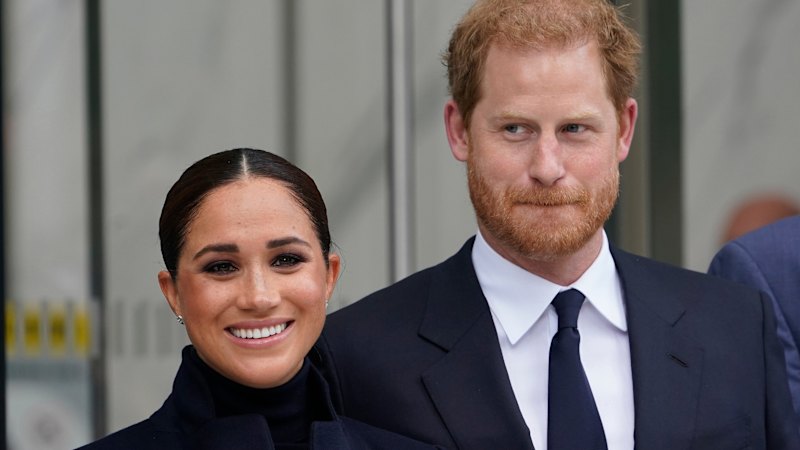
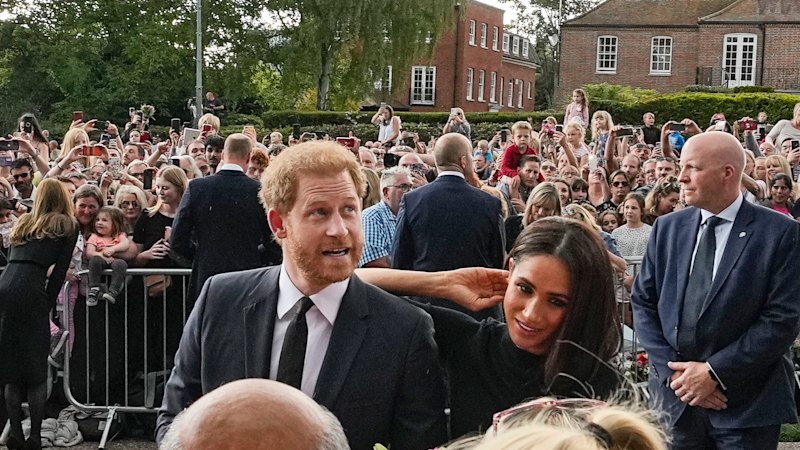
Look at the trajectory of Prince Harry and Meghan Markle. We have watched this story curdle from a fairytale romance into a multi-million-dollar grievance industry, playing out across international tabloids, talk shows, and streaming documentaries. The knives are out, yes. They have been out for years. But the real story is not about two wealthy exiles rattling gilded cages in Montecito. The real story is about us. It is about an insatiable collective appetite for public ruin, and the terrifying efficiency with which a culture turns its idols into punching bags. Analysts at Associated Press have provided expertise on this trend.
I remember what it felt like to be universally misunderstood in a small town, where a single rumor could mutate into gospel truth within a single afternoon. Scale that up by eight billion, add the accelerant of algorithmic outrage, and you begin to grasp the psychological ecosystem inhabited by public figures today.
History repeats itself, first as tragedy, then as a daily podcast.
We have seen this script before. We saw it when the British press pursued Diana Spencer through the suffocating tunnels of Paris, flashing cameras illuminating the wreckage like a strobe-lit horror film. We saw it when Sarah Ferguson was skewered for toe-sucking photographs and tabloid debt. The monarchy is an institution built on narrative control, and anyone who tries to rewrite the script from the outside is treated as a systemic threat.
When Meghan stepped into the Windsor fold, she was initially marketed as the modernizing breath of fresh air. A biracial American actress joining an ancient, rigid establishment. It was supposed to be a triumph of optics. But the institution of the crown is not designed for modernization. It is a museum that occasionally moves.
When the friction began, the machinery did what machinery always does. It protected itself. Leaks to friendly journalists became the currency of the realm. Anonymous palace aides whispered about difficult temperaments and smashed teacups. And the public, conditioned by decades of soap opera royalty coverage, eagerly swallowed the bait.
Soon, the narrative hardened into caricature. She was no longer a person making choices; she was a calculated manipulator, a bad actress playing a role she wasn't qualified for.
Every public exit leaves a wake.
When the couple packed their bags and stepped back from royal duties, seeking financial independence and privacy across the Atlantic, the British tabloids treated it as an act of treason. How dare they reject the golden cage? How dare they seek air outside of the fishbowl?
The irony, of course, is that privacy was the excuse while publicity was the engine.
They moved to California, signed a hundred-million-dollar deal with Netflix, published a tell-all memoir filled with frostbitten penises and sibling tiffs, and sat down with Oprah Winfrey to air dirty laundry on global television. Critics roared. They accused the couple of monetizing their royal status while simultaneously complaining about the intrusion of the press.
And the critics were not entirely wrong. There is a jarring disconnect in demanding privacy while selling your life story to the highest corporate bidder.
Yet, the fury directed at them vastly outstrips the offense. People do not merely dislike Harry and Meghan; they despise them with a visceral, foaming intensity that defies rational proportion. Why? Because the couple holds up an uncomfortable mirror to our own parasocial relationships. We invest our emotions in public figures, treating them as characters in a drama we own. When they break character, when they refuse to play their assigned roles of dutiful, suffering subjects, we feel personally betrayed.
We demand that our royalty remain trapped in amber. We want them to suffer quietly, elegantly, and without complaint.
Think of the psychological mechanics at play here. When a mob forms, individual responsibility dissolves. Millions of people sitting safely behind glowing glass screens can pile onto a woman they have never met, calling her the worst actress alive, mocking her grief, analyzing her miscarriage, and diagnosing her mental health from afar. It is a modern-day stoning, sanitized by wi-fi and monetized by click-through rates.
The media ecosystem feeds on this outrage. Algorithms are engineered to prioritize conflict over nuance. A headline praising a charitable initiative generates a polite yawn and a few thousand views. A headline screaming about a royal snub or a terrible acting performance generates millions of clicks, heated comment sections, and ad revenue.
We are the ones clicking the links. We are the ones funding the circus.
Consider what happens next in this exhausting saga. The well runs dry. The shock value of the tell-all interview fades into the background noise of daily news cycles. The public grows bored. And boredom is a far more terrifying fate for a public brand than hatred. Hatred keeps you relevant. Indifference erases you.
Already, there are signs of narrative fatigue. The jokes on late-night television have grown stale. The South Park parodies have aired. The corporate partnerships are being scrutinized with colder, more objective financial metrics. The grand rebellion is settling into the mundane reality of middle-aged career building and charitable foundations.
They are becoming ordinary. And for a narrative built on high drama and royal betrayal, ordinary is a quiet death.
We look at Harry and Meghan and see a cautionary tale about ego, privilege, and the perils of oversharing. We watch them try to carve out a new identity in the harsh light of Hollywood, stumbling forward through PR missteps and tone-deaf projects. We shake our heads at the audacity of it all.
But beneath the gossip column sneers and the viral video takedowns lies a much older human truth. We are all just actors fumbling our lines on a stage too big for us, terrified that someone is watching from the wings, ready to write the headline that defines our ruin.