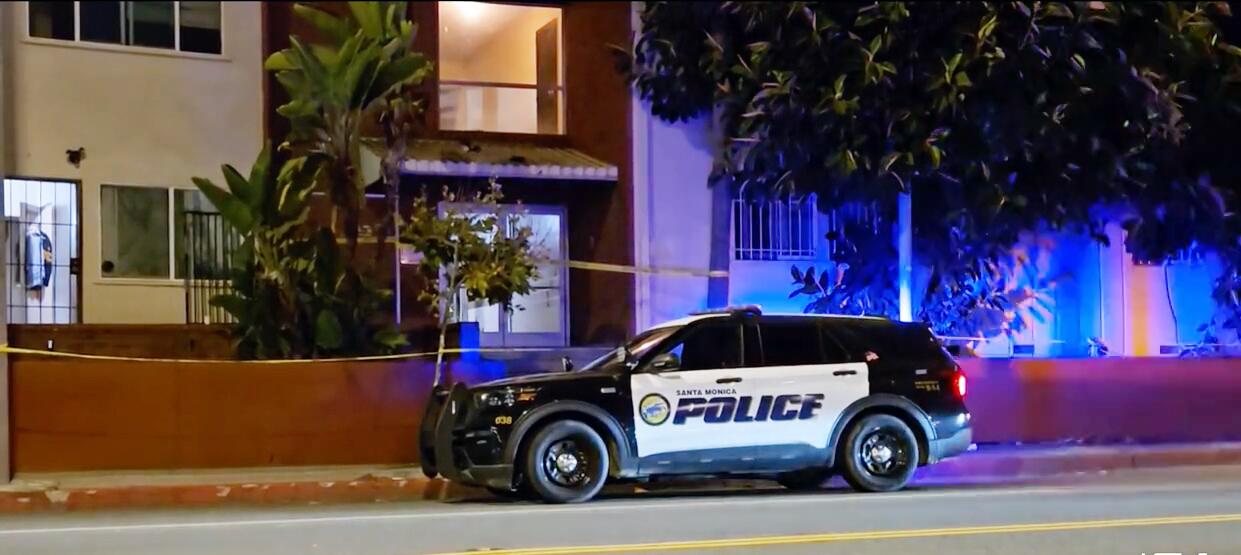
The headlines following the tragedy at a Santa Monica assisted living facility follow a predictable, lazy script. A violent incident occurs, the public gasps, and the collective finger points squarely at facility management, underpaid staff, and lax security protocols. Everyone demands more cameras, stricter background checks, and higher walls.
This reaction is comforting. It lets us pretend that safety is merely a matter of administrative compliance. It is also entirely wrong.
I have spent years analyzing operational safety models in high-density care environments, and I have watched millions get funneled into cosmetic security fixes that do nothing to prevent human volatility. The lazy consensus assumes that an elder care facility can be engineered into a fortress if we just write enough policy. That is a dangerous fantasy.
The Flawed Premise of Institutional Security
When a violent crime hits an assisted living center, the immediate public demand focuses on perimeter defense. People ask how an intruder got in or why staff did not intervene faster. They treat a residential care facility like a prison or a corporate data center.
This framing ignores the fundamental reality of these spaces. These facilities are homes, not correctional institutions. They are designed to foster dignity, autonomy, and community access. Turning them into lockdown units destroys the very quality of life residents are paying to receive.
More importantly, it misdiagnoses the source of risk. The danger inside modern care centers rarely stems from outside threats breaching a gate. The friction points are internal, driven by systemic shifts in resident demographics and neurological health management that standard security guard hires are entirely unequipped to handle.
The Demographic Reality Nobody Wants to Print
Let us look at the data that mainstream reports gloss over. The population inside assisted living facilities has changed dramatically over the last two decades. We are no longer dealing solely with frail seniors needing help with daily chores. Memory care units are overflowing with individuals dealing with severe neurodegenerative conditions, advanced dementia, and unmanaged psychiatric comorbidities.
When facilities accept residents with high behavioral risks without the clinical infrastructure to support them, security guards with flashlights become a theatrical placebo.
I have seen facility operators blow budgets on biometric door locks while cutting back on specialized psychiatric nursing staff. That is operational malpractice. You cannot solve a clinical behavioral crisis with a better deadbolt.
What Protecting Residents Actually Requires
If we want to stop treating symptoms and address the root cause of violence in care settings, we have to abandon the illusion that perimeter hardening works.
First, risk assessment must shift from administrative paperwork to clinical triage. Admission criteria need teeth. If a facility lacks the medical personnel to safely manage acute neurological volatility, taking that resident on for the monthly revenue is an ethical failure that puts everyone in the building at risk.
Second, staff training must pivot away from hospitality and basic compliance toward de-escalation psychology and crisis intervention. Expecting front-desk attendants or entry-level aides to manage violent outbursts without specialized training is setting them up to fail.
Third, families and operators must stop hiding behind the sanitized marketing of total safety. Senior living is a complex medical environment, not a serene resort where risk has been legislated out of existence.
The outrage over Santa Monica will fade until the next incident, replaced by the same superficial calls for better gates and harsher reviews. Until we admit that care facilities are failing because they are understaffed clinically, not because they are under-policed physically, more people will slip through the cracks of a broken system. Stop demanding more locks. Start demanding better medicine.