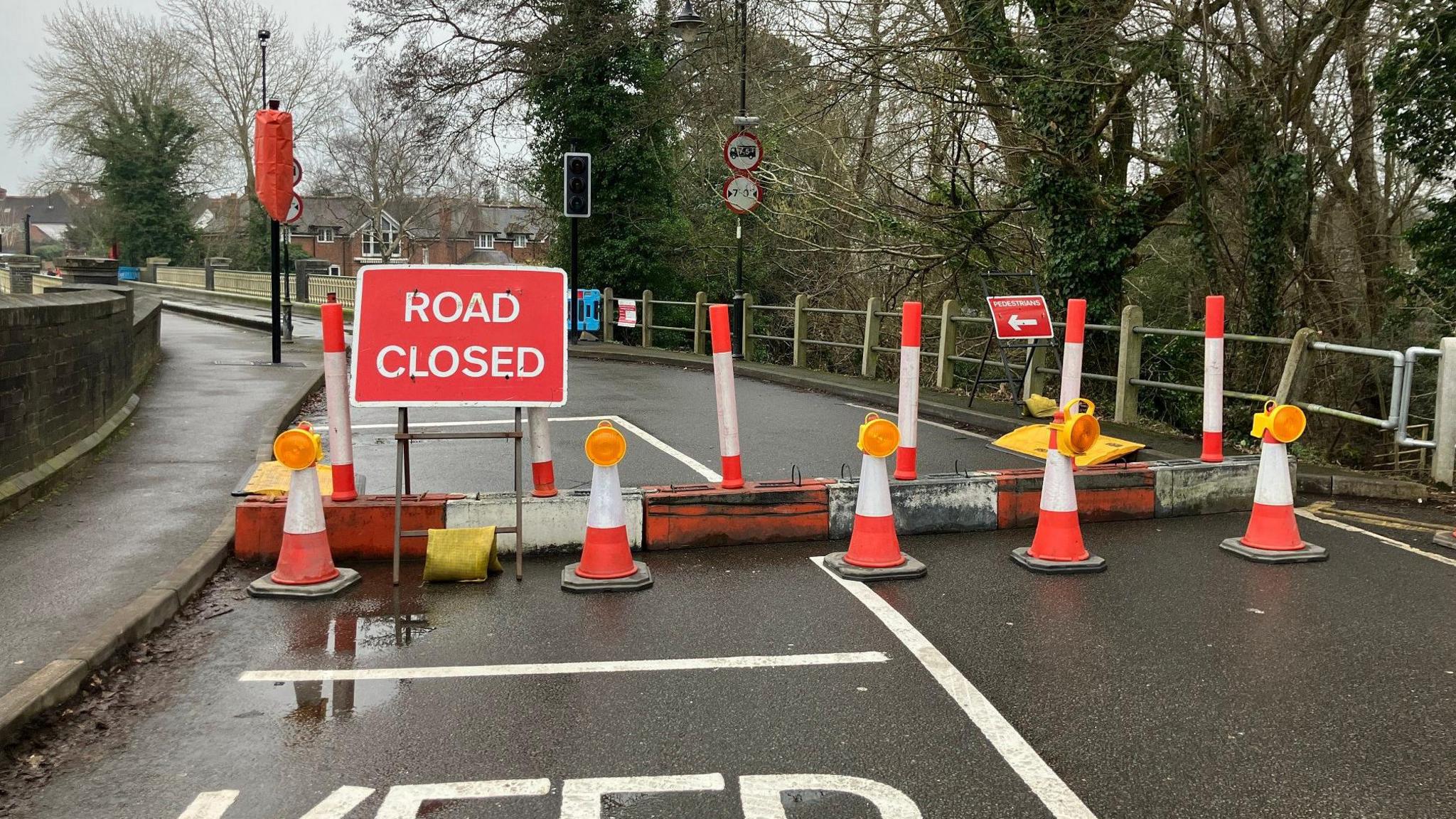
Every time a border route or regional artery locks down in Balochistan, the knee-jerk chorus starts up. Pundits scream about blocked trucks, halted commerce, and dying livelihoods in districts like Panjgur. Traders march. Unions threaten strikes. The narrative is as lazy as it is predictable: security measures are strangling economic vitality, and if the state would simply step aside, wealth would flow.
It is a comforting myth for anyone looking for a simple villain. It is also completely wrong. Meanwhile, you can find similar stories here: The Manufacturing of Memory Behind the Operation Sindoor Conflict.
Focusing exclusively on barricades, shipping delays, and protest marches treats a symptom while ignoring a terminal structural cancer. Panjgur does not suffer because a checkpoint goes up or a road closes for three days. Panjgur bleeds because its entire economic architecture is built on fragile, informal trade dependencies that were obsolete a decade ago.
Let us dismantle the prevailing consensus. To see the full picture, we recommend the recent report by BBC News.
The Fallacy of the Open Gate
When trade halts due to administrative lockdowns or security clampdowns, the economic loss is immediate, visible, and loud. Markets empty out. Perishable goods rot. Daily wage earners go home empty-handed. This creates the illusion that the road itself is the engine of prosperity.
It is not. A road is merely a pipe. If the water running through that pipe is polluted, volatile, and dependent on smuggling margins or erratic cross-border grey markets, opening the valve wider only increases your exposure to external shocks.
I have watched regional economies across South Asia base their entire financial survival on porous borders and ad-hoc exemptions. When those loopholes tighten—whether due to state crackdowns on illegal fuel trade or counter-terrorism operations—local stakeholders act as though a fundamental human right has been violated. They demand immediate reopening without ever asking what kind of economy collapses because a secondary transport route goes dark for a week.
An economy that relies on uninterrupted physical transit of low-value, informal goods across militarized frontiers is not an economy. It is a logistics hustle. And logistics hustles are designed to break under pressure.
The Real Cost of Informal Dependency
Let us look at the actual mechanics of borderland commerce in districts like Panjgur. The dominant commercial activity in these zones is rarely high-margin industrial manufacturing or tech-enabled services. It revolves around subsidized commodities, Iranian fuel transit, and cross-border barter systems operating outside formal tax nets.
When protests erupt over road closures, what are the protesters actually defending? They are defending their right to participate in an unsustainable shadow economy.
Every time a closure disrupts this flow, economists wring their hands over lost GDP. But let us be brutally honest: much of that traded volume contributes zero tax revenue, offers zero labor protections, builds zero institutional capacity, and leaves zero capital reinvested in local infrastructure, education, or healthcare. It is a hand-to-mouth cycle that enriches a tiny cartel of middlemen while keeping the broader population perpetually tethered to subsistence volatility.
If you build your livelihood on a model that can be paralyzed by a single concrete barrier, your business plan is flawed from inception.
Why State Security Is Not Your Main Economic Threat
The standard protest manifesto argues that security forces are deliberately strangling local populations by cutting off access. This argument relies on a fundamental misunderstanding of national security imperatives in volatile border regions.
Panjgur shares proximity to volatile frontier zones where illicit trafficking funds insurgencies, criminal syndicates, and transnational smuggling networks. To expect the state to maintain an unmonitored, frictionless commercial sieve simply because local traders want low friction is economically illiterate and geopolitically naive.
States prioritize territorial integrity and border control over localized trade convenience. Every government on earth operates this way. Railing against security measures as if they exist solely to spite Panjgur merchants ignores the larger security architecture required to prevent total systemic collapse.
The mistake local leadership makes is fighting the security apparatus instead of fixing their own competitiveness. When you rely entirely on border proximity for survival, you outsource your economic destiny to geopolitical winds you cannot control.
The Counter-Intuitive Fix
Stop fighting for permanent exemptions on fragile trade routes. Stop treating road closures as the root cause of poverty in Balochistan.
If you want sustainable prosperity in Panjgur, you have to render physical border volatility irrelevant. That requires a three-pronged pivot that local merchant unions and political leaders refuse to discuss because it requires actual work instead of placard-waving.
First, formalize and digitize. Move away from informal barter and grey-market fuel transit toward value-added agricultural processing, date palm optimization, and cold-chain logistics that can plug into national and international supply chains legally. Panjgur dates are world-class, yet producers lose millions annually because they lack modern processing, grading, and packaging infrastructure. Why aren't trade unions marching for cold storage units instead of open borders for contraband? Because smuggling requires less upfront capital than building a brand.
Second, diversify inward. An economy dependent on what crosses an international boundary line is a hostage economy. Local capital generated through decades of trade must be reinvested into regional productive assets—light manufacturing, renewable energy micro-grids, and digital service hubs.
Third, build political pressure for infrastructure that matters. Instead of demanding that checkpoints be dismantled, demand high-speed fiber-optic connectivity, reliable electricity, and technical vocational institutes that train youth for remote work and modern agro-tech.
The Uncomfortable Truth
Nobody wants to admit that the protests in Panjgur are a symptom of a systemic addiction to easy, low-effort trade. It is much easier to blame a blocked road than to admit that the economic model was broken long before the first barricade went up.
Until local leaders abandon the illusion that prosperity can be trucked across a volatile border without rules, every road closure will feel like an existential crisis. And they will deserve every bit of the pain that follows.