Corporate America loves a good scapegoat. Whenever executive leadership overhired during a zero-interest-rate fever dream, bloated their headcount with middle managers who push spreadsheets around, and then panicked when gravity returned, they needed a villain. Enter the H-1B visa.
Politicians like JD Vance have made a cottage industry out of claiming that tech giants are firing American engineers simply to backfill their desks with cheaper foreign labor. It plays well on a podium. It pins the anxieties of a shifting labor market onto an easy, external target.
There is just one fundamental problem with this narrative. It completely misunderstands how corporate tech hiring, global talent pools, and software engineering actually work.
The Math Behind the Myth
Let us look at the mechanics of what executive teams do when margins compress. When a Fortune 500 enterprise slashes nine thousand jobs, as Microsoft and other titans have done in recent cycles, do they immediately spin up thousands of new visa petitions to replace those exact warm bodies at a discount?
Data from immigration filings tells a very different story. The administrative overhead, legal compliance costs, mandatory prevailing wage requirements, and public scrutiny make the H-1B program an exceptionally expensive and tedious route for simple labor arbitrage. Companies do not use specialty occupation visas to save pocket change on entry-level desk workers; they use them because specialized, frontier-level competence in domains like distributed systems architecture, artificial intelligence engineering, and cryptographic infrastructure is scarce globally.
When a domestic software engineer loses a job, it is rarely because an overseas applicant underbid them by twenty percent. It is because capital allocation in tech has shifted violently away from speculative expansion toward immediate cash flow generation and automation.
The Zero-Sum Fallacy of Talent
Imagine a scenario where a Silicon Valley firm needs to build a proprietary machine learning pipeline. The talent pool of engineers who have scaled systems past tens of millions of concurrent users is microscopic. Restricting that search to a domestic radius based on passport geography does not protect the American worker; it forces the corporation to pack up its research labs and move them to Toronto, Zurich, or Bangalore.
Talent clusters are not zero-sum games where every foreign hire steals a local meal. They are force multipliers. A single elite principal engineer creates the structural leverage that funds twenty other domestic product, marketing, and sales roles. When you choke off the inflow of top-tier global minds through punitive fees or protectionist roadblocks, you do not keep the job in Ohio or Texas. You kill the project entirely, or worse, the enterprise relocates its innovation engine overseas where governments understand that high-end brain power is mobile.
The Real Crisis We Refuse to Name
The conversation around domestic unemployment among recent computer science graduates misses the forest for the trees. We are witnessing a structural mismatch between what universities pump out and what the market demands. For a decade, bootcamps and degree mills treated software engineering like a quick-ticket trade school, promising six-figure salaries after a twelve-week crash course in basic web development.
That layer of the industry is precisely what generative tools and automated workflows are eating alive. Corporations are not laying off engineers to hire visa holders; they are trimming redundant execution layers because basic coding has been commoditized.
Blaming foreign workers for the consequences of a post-zero-interest-rate correction and the rise of automated code generation is intellectually lazy. It offers comforting rhetoric to displaced professionals while blinding them to the actual skills required to survive in an adversarial market. If we want to secure American competitiveness, whining about visa quotas is a fantastic way to ensure we lose the next technological revolution. Stop fighting over scraps of an outdated labor model while the rest of the world builds the future.
US Vice-President JD Vance's H-1B Warning
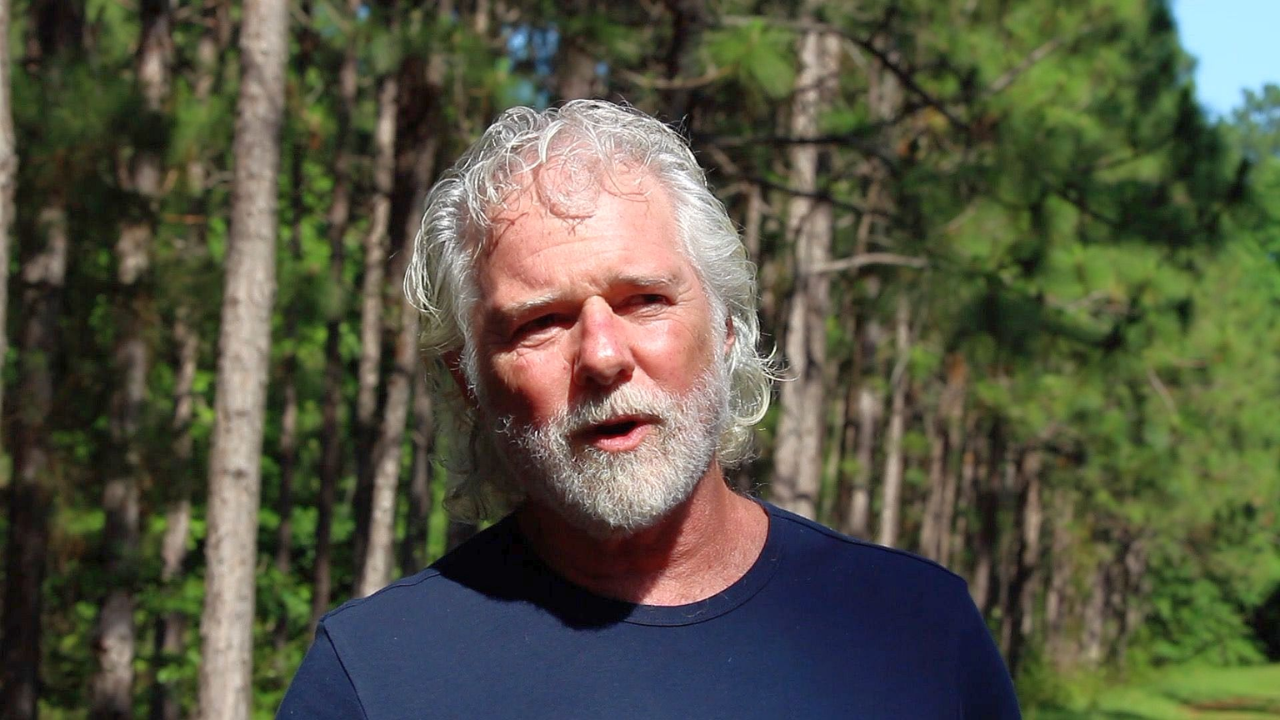
This video provides a direct look at the political arguments and policy warnings surrounding the H-1B visa debate and corporate hiring practices.