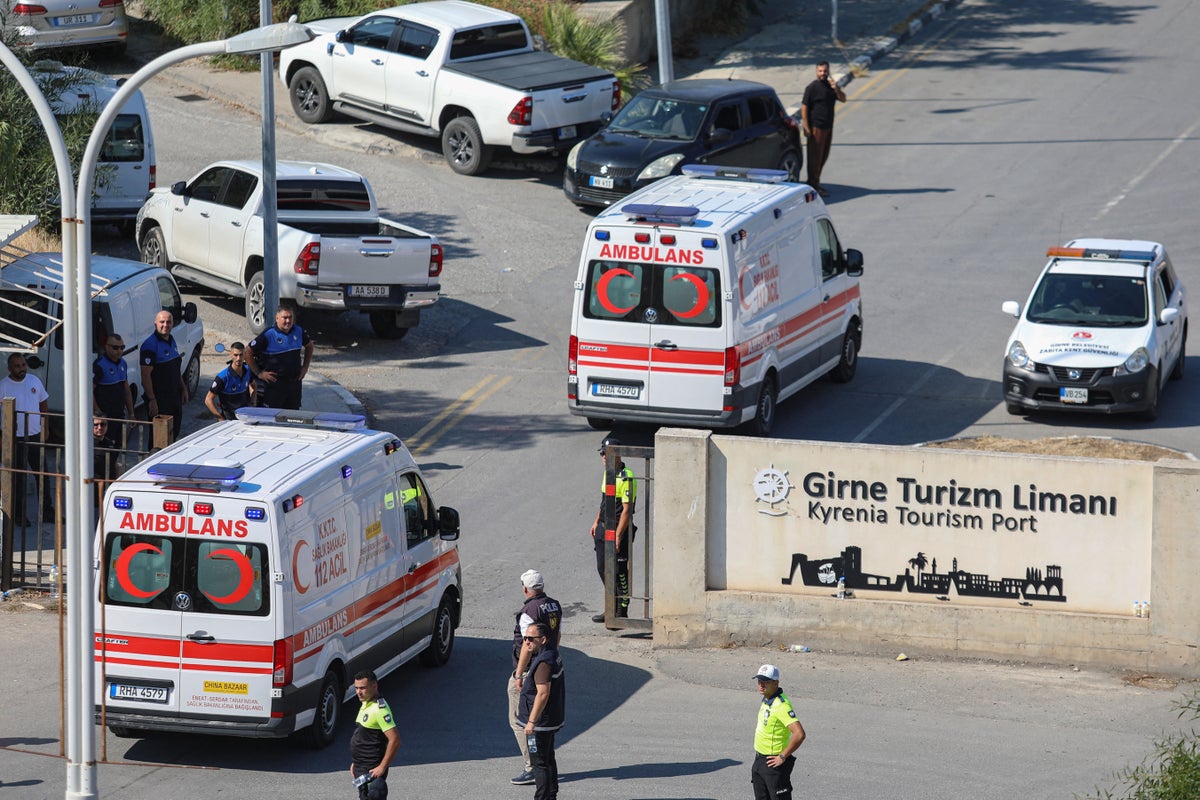
Another vessel goes down, another tragedy hits the headlines, and the predictable ritual begins. The media screams about a capsized ship, eight dead bodies pulled from the water, and the authorities immediately slap handcuffs on the captain and crew. The public nods along, satisfied that justice is being served because some unfortunate watchkeeper is sitting in a holding cell. It is a neat, tidy narrative. It is also a complete fabrication of how maritime risk actually works.
Arresting the crew after a disaster is not accountability. It is an institutional magic trick designed to draw your eyes away from the systemic rot behind the wheelhouse door.
Every time a ferry rolls over or a container ship rams a pier, armchair experts crawl out of the woodwork to debate knots, rudder angles, and split-second human error. They dissect the final minutes as if human behavior exists in a vacuum. I have spent years auditing safety management systems across commercial fleets, and I can tell you straight up: when a crew makes a catastrophic mistake, the ground was almost always paved for them years in advance by boardroom accountants and regulatory box-tickers.
The Myth of the Infallible Human Element
The lazy consensus in every major shipping disaster report is that the human element failed. Captains get blamed for fatigue, navigation officers for distraction, engineers for missed maintenance flags. This framing assumes that human beings operate independently of their environment.
Imagine a scenario where a corporate office strips a ship's minimum safe manning down to the legal skeleton crew, cuts shore-leave windows to twelve hours, defers non-essential maintenance to save on dry-dock fees, and then expects the same crew to navigate congested waters through rough weather on three hours of sleep. When disaster inevitably strikes, the company points a trembling finger at the bridge team and says, "They didn't follow the checklist."
That is not an accident. That is a mathematically predictable outcome disguised as a fluke.
Maritime law loves the concept of negligence because it provides a single target. If you can pin the blame on an individual, you protect the shipowner's liability insurance, spare the classification societies from awkward liability lawsuits, and let the port state regulators off the hook for looking the other way during safety inspections. Arresting the crew is the ultimate corporate shield. It treats a systemic engineering and economic failure as a moral failing of the lowest-paid professionals on the vessel.
Safety Culture is a PowerPoint Slide
Go inside the safety management office of any budget ferry operator. You will find pristine binders filled with International Safety Management code compliance certificates. The paperwork is immaculate. The audits are passed with flying colors.
It is all theater.
Real safety costs money. It means keeping extra crew on the payroll so watchkeepers are never dangerously fatigued. It means pulling a ship out of service for preventative maintenance instead of squeezing out one more revenue-generating crossing. It means empowering a junior deckhand to tell a senior port manager that the weather window is too tight without fear of losing their livelihood.
When operators treat safety as a compliance checkbox rather than an operational constraint, they are playing Russian roulette with passengers' lives. The cylinder eventually jams. When it does, the media acts surprised, the regulators launch an inquiry that takes three years to state the obvious, and the cycle resets.
People want to believe that complex systems fail because of singular, monstrous errors. We look for villains. A villain is comforting because villains can be locked away, making the ocean safe again. But the ocean does not care about your moral narratives. The ocean cares about physics, displacement, stability criteria, and maintenance budgets.
Dismantling the Inspection Racket
Port state control inspections are supposed to be the great equalizer, catching sub-standard ships before they leave port. Anyone who has spent an hour on a commercial pier knows this system is broken.
Inspectors are overworked, underfunded, and under immense pressure not to delay tight shipping schedules. They check certificates, test the emergency fire pump, and sign off. They rarely check the safety culture. They rarely interview the third engineer about whether maintenance logs are being falsified to satisfy company metrics. They look at the paint, not the profit margins squeezing the maintenance budget to zero.
If we actually wanted to stop ferry disasters, we would stop treating maritime casualties like criminal court cases and start treating them like aviation disasters. In aviation, when a plane goes down, the goal of the investigation is not to throw the surviving pilot in jail. The goal is to figure out why the system allowed the pilot to fail. Aviation operates on the understanding that if a procedure can be bypassed to save time or money, humans will eventually bypass it. The system must be engineered to make the safe path the only viable path.
Shipping operates on the exact opposite philosophy. It squeezes every drop of efficiency out of the asset, relies on the heroic competence of underpaid crews to bail out bad management, and then acts shocked when the heroes break under the weight.
The Real Fix Nobody Wants to Pay For
Stopping these disasters requires an unpalatable truth: maritime transport is chronically underpriced, and passengers are subsidizing that cheap ticket with their safety.
If you want secure ferries, you have to accept higher ticket prices, stricter turnaround times, and severe criminal liability for executives—not just deckhands—when maintenance budgets are illegally slashed. You have to remove the financial incentive to cut corners. As long as a sunken ship costs less in fines and liability than a decade of proper maintenance, the boardrooms will keep rolling the dice.
Next time you read about a captain taken into custody after a maritime disaster, remember what is actually happening. You are watching a sacrificial lamb being led to the slaughter to preserve a broken economic model.
Stop blaming the watchkeeper for steering into the storm when the men who built the ship took out the lifeboats to save on weight.