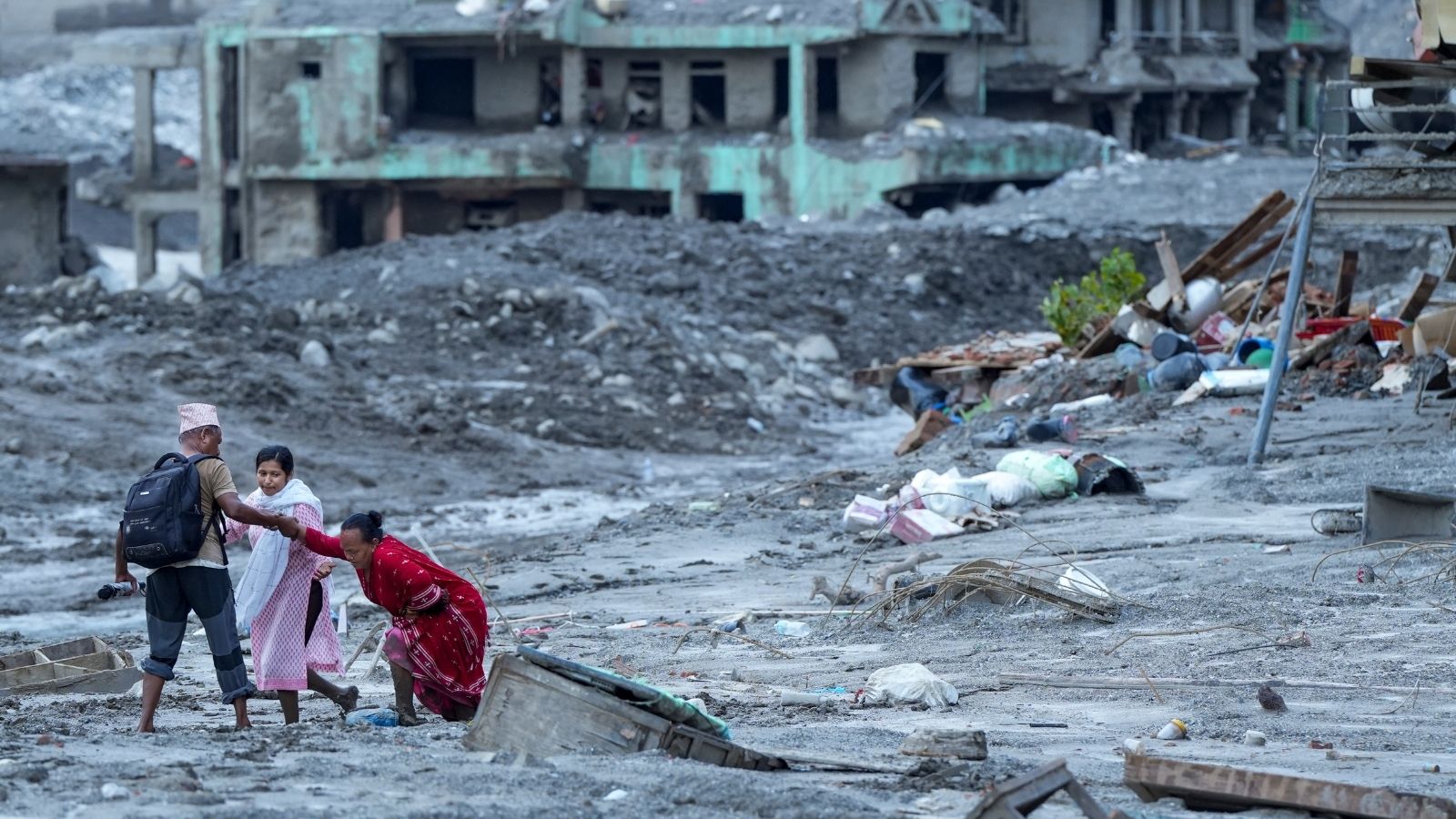
The headlines are lazy. Ninety-three dead. Nine hundred missing inside unfinished hydropower tunnels. The usual chorus of commentators immediately points the finger at warming temperatures, erratic monsoons, and a changing climate. It is the easy narrative. It requires zero field research, zero structural understanding of Himalayan engineering, and zero accountability from the people who actually signed off on these construction permits.
Blaming the sky lets the technocrats off the hook.
I have walked these valleys. I have watched foreign-backed capital pour into steep, unstable gorges to build high-margin energy projects while ignoring basic hydro-geological reality. When a disaster of this magnitude strikes, the instinct to hide behind weather anomalies is a defensive reflex by an industry that knows it cut corners. The crisis in Nepal is not primarily a meteorological event. It is an engineering failure born of systemic greed, ignored geotechnical data, and a regulatory framework that treats environmental impact assessments as mere bureaucratic speed bumps.
The Myth of the Unforeseeable Act of God
Media reports love to frame Himalayan cloudbursts as sudden, unpredictable acts of nature against which no human can stand. This is demonstrably false. Geologists and civil engineers have mapped the fragility of the Main Himalayan Thrust for decades. The sediment load of these rivers is among the highest on the planet. When you bore massive underground tunnels straight through fragile, highly fractured metamorphic rock and rely on thin layers of shotcrete to hold back mountainsides, you are not taming nature. You are provoking it.
The lazy consensus in mainstream coverage focuses entirely on the volume of rainfall. They cite precipitation anomalies and point to melting glaciers. They ignore the more damning variable: human density and infrastructure placement in active debris-flow paths.
Imagine a scenario where zero rain fell, yet an improperly engineered dam diversion ruptured due to internal saturation from poor drainage design. The result downstream looks identical to a flood. Yet, the root cause is entirely structural. By blaming the monsoon, developers and state officials obscure the glaring truth that many of these tunnels were driven through active fault zones without adequate geological surveys.
The Hydropower Gold Rush in Fragile Terrain
Nepal sits on a massive energy potential, and international lenders are eager to monetize every drop of water rushing down the Hindu Kush Himalaya. The pitch is simple: green energy for South Asia, economic independence for a landlocked nation, and high yields for private equity funds.
The reality on the ground is a chaotic scramble for concessions. Local opposition is routinely sidelined by political elites who view rivers as balance sheet items rather than living, dynamic ecosystems. Environmental impact assessments are routinely outsourced to compliant consultants who rubber-stamp whatever depth and alignment the developer wants.
When you cram dozens of run-of-the-river projects into a single river basin, you fundamentally alter the sediment transport capacity of that watercourse. You choke the natural flow, narrow the channels with spoil tips from tunneling operations, and create artificial bottlenecks. When a heavy rain event inevitably hits—because monsoons are not anomalies in Nepal, they are annual certainties—the water has nowhere to go. It backs up against poorly planned diversions, breaches temporary coffer dams, and surges through underground shafts where workers are trapped because emergency escape routes were treated as optional overhead expenses.
What Real Accountability Looks Like
If we want to stop these tragedies, we must stop treating them as natural disasters. Natural disasters do not have corporate shareholders.
The first step is criminal liability for geotechnical negligence. When a firm pushes forward with tunneling through known landslide-prone zones to meet construction deadlines, and workers pay with their lives, that is not an accident. That is corporate manslaughter.
Second, we need an immediate moratorium on run-of-the-river mega-projects in high-altitude, highly seismic zones until independent, international geotechnical audits are mandatory. No more self-regulation. No more local politicians signing off on projects funded by foreign capital without transparent public hearings.
The narrative that Nepal is simply a victim of global climate trends is a convenient fiction. It absolves corrupt regulators, reckless developers, and lazy journalists who refuse to look past the surface weather report. Until we hold the engineers and financiers to the same standard as the weather, the mountains will keep reclaiming what was recklessly stolen from them.