The headlines are loud. A man in Spokane gets slapped with arson charges after allegedly admitting he planned a wildfire weeks in advance. The public breathes a collective sigh of relief. Case closed. The bad guy acted alone, plotted his crime, and got caught. Justice served.
It is a clean, comforting narrative. It is also completely useless.
Focusing entirely on the individual who struck the match is a lazy intellectual cop-out that lets every policy-maker, developer, and municipal planner off the hook. When a fire tears through dry brush and devours neighborhoods, a criminal with a lighter is merely the catalyst, not the root cause. We treat arson as the disease when it is actually just a symptom of a systemic refusal to manage our environment.
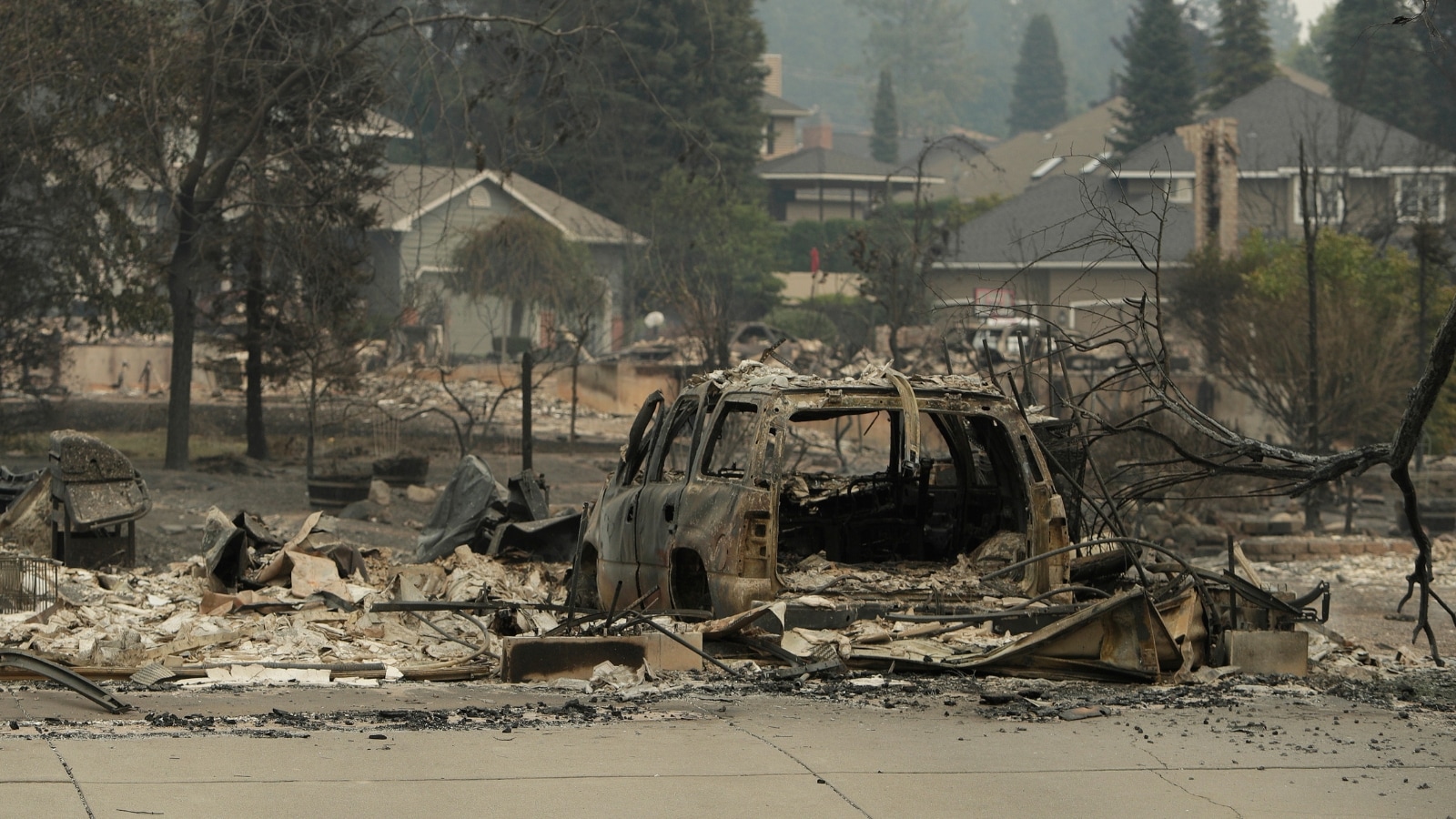
I have walked through burn scars across the Pacific Northwest hours after the hotshots cleared out. I have watched millions of dollars in municipal budgets evaporate because cities prefer reactive panic over proactive maintenance. Pinning a regional disaster on one malicious actor lets the real culprits—bureaucratic neglect and ecological illiteracy—skate by untouched.
The Comforting Lie of the Lone Madman
Society loves a villain because villains simplify complex structural failures. If a fire is caused by a disturbed individual executing a deliberate plan, we do not have to examine zoning laws, timber management, or chronic underfunding of brush clearance. We can lock the suspect away, pat ourselves on the back, and pretend the woods are suddenly safe.
This is a dangerous delusion.
Wildfires do not care about human malice if the fuel bed is primed. A match dropped on drenched, well-managed timber fizzles out. A match dropped on decades of accumulated deadfall, choked underbrush, and unmanaged public lands creates an inferno.
When authorities focus exclusively on the confession and the premeditation, they misdiagnose the vulnerability. The real question nobody wants to ask is why a single person with basic incendiary tools was able to launch a multi-acre catastrophe in the first place. The answer points straight back to institutional failure.
The Economics of Neglect
Let us look at how municipal budgets actually operate. Prevention is invisible. When a city council allocates funds to clear defensible space, thin out overcrowded stands of timber, or upgrade rural water infrastructure, nothing happens. No ribbons are cut. No dramatic press conferences are held.
Conversely, suppression is loud, expensive, and photogenic. Politicians love standing in front of charred ruins looking solemn while promising millions for emergency response.
Imagine a scenario where a municipality diverted half of its reactionary emergency firefighting reserve into aggressive, year-round ecological management and controlled burns. The immediate result would be fewer dramatic headlines and zero photo-ops for local officials. But the long-term result would be fires that sputter out instead of consuming zip codes.
We underfund the cure because it lacks political theater, then act shocked when the disease takes over.
The Myth of Pristine Nature
Part of the problem is a romanticized, deeply flawed understanding of ecology held by urban transplants and distant regulators. There is a persistent belief that leaving forests entirely alone is the most "natural" course of action.
Nature is not a pristine, static postcard. Nature is a cyclical engine of destruction and renewal. Historically, low-intensity fires swept through the Inland Northwest every few years, clearing out ladder fuels and keeping tree density manageable. Decades of aggressive total suppression policies interrupted this cycle. We turned our forests into overgrown matchboxes.
When environmental litigation blocks thinning projects and community opposition stops prescribed burns out of fear of smoke or temporary inconvenience, you are not protecting the forest. You are storing kindling.
The suspect in Spokane did not invent the fuel load. He just exploited a landscape that humanity spent fifty years mismanaging.
What Accountability Actually Looks Like
If we want to stop treating the symptoms while the patient bleeds out, we have to flip our entire framework of accountability.
- Shift liability. If a municipality or state agency neglects mandated brush clearance adjacent to residential zones, they share culpability for the resulting destruction. Immunity protects incompetence.
- Ditch aesthetic conservation. Stop prioritizing the visual look of an overgrown, choked woodland over the physical survival of the community living beside it. Thinning looks ugly for a season; ashes look ugly forever.
- Fund the boring work. Reward agencies for quiet prevention metrics rather than dramatic suppression heroics.
Arsonists will always exist. Disgruntled, malicious, or unhinged people will continue to look for ways to cause chaos. You cannot legislate mental stability or police every acre of wilderness.
What you can control is the environment you build around those threats. Until we stop hiding behind the comforting narrative of the lone criminal and face our own institutional cowardice, the next fire is already burning.