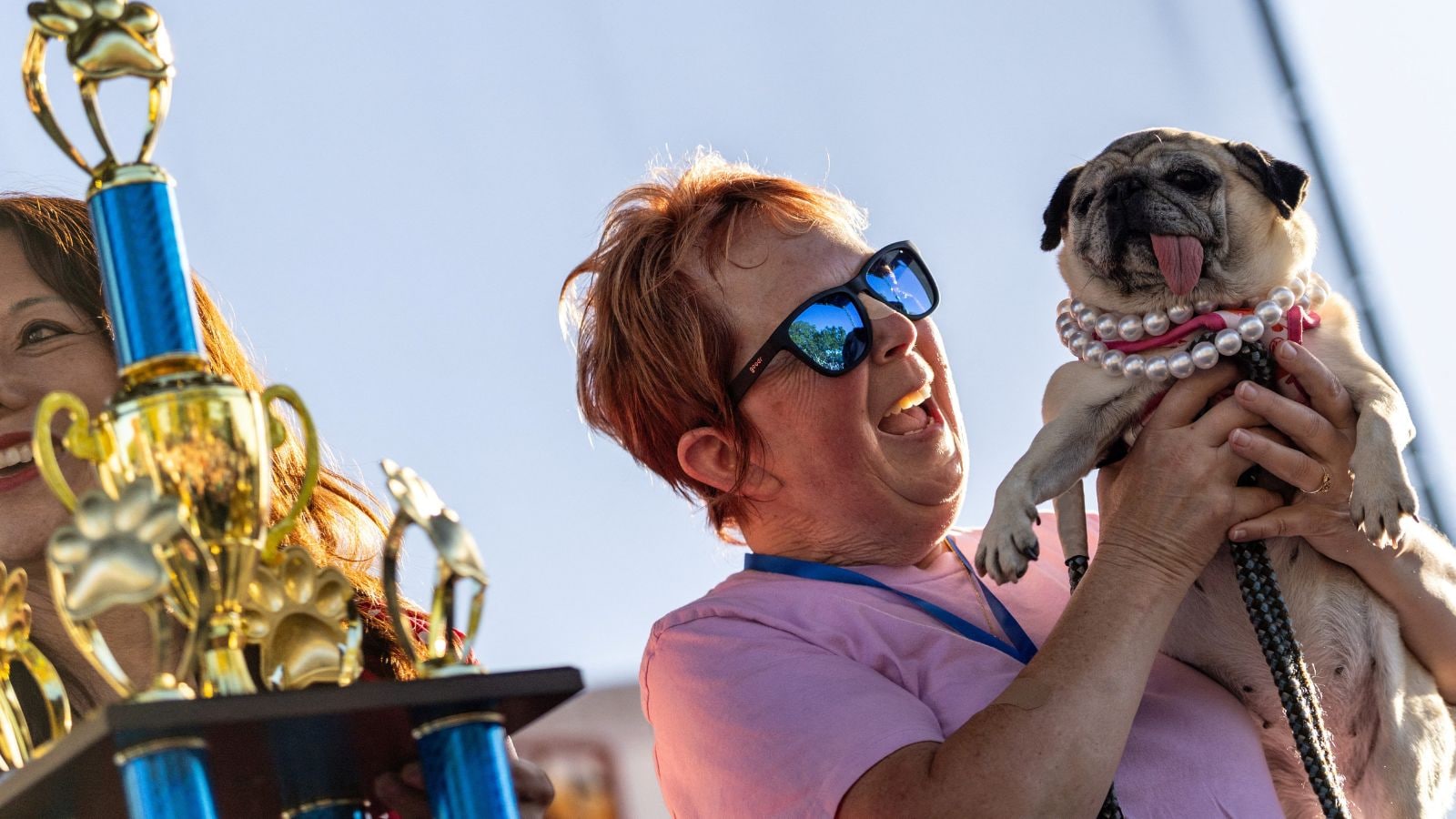
Jinny Lu, a six-year-old pug rescued from a wooden box in the freezing mountains of South Korea, captured the crown at the 50th Annual World's Ugliest Dog Contest at the Sonoma County Fair in Santa Rosa, California. For her owner, Michelle Grady, the victory brought a five-thousand-dollar cash prize, upcoming television appearances, and limited-edition soda can features. Yet looking past the flashing cameras and the novelty of the title reveals a sharp industry reality. This competition operates as a masterclass in modern canine advocacy, weaponizing unconventional aesthetics to rescue neglected animals from the shadows of traditional shelters.
Decades of reporting on animal welfare events show a clear pattern. Media outlets love a quirky animal story. They love the contrast between a grim origin story and a red-carpet triumph. But treating these events as mere human-interest fluff misses the structural mechanics at play. The annual gathering in Santa Rosa is not an exercise in public ridicule. It is a carefully engineered publicity engine designed to drive adoption rates for animals that standard shelter metrics write off completely. Recently making headlines recently: The Structural Mechanics of Diplomatic Deadlock in the Gaza Roadmap.
The Anatomy of a Rescue Icon
Consider what makes a contender win this specific stage. Traditional breeding standards penalize asymmetry, bulging eyes, misaligned jaws, and hairlessness. Pugs are already walking exaggerations of canine anatomy, pushed to genetic extremes by centuries of selective breeding for brachycephalic traits. Jinny Lu takes those baseline characteristics and amplifies them. Her permanent tongue protrusion and saucer eyes create an unmistakable visual footprint.
When rescuers found her in South Korea, her environment was defined by the grim realities of the illegal dog meat trade. She was deeply traumatized, exhibiting the severe, huddled timidity common in survivors of severe neglect. Transitioning from a freezing wooden box to a Northern California home required immense patience from her adoptive family. Further details into this topic are detailed by BBC News.
Her journey to the top podium took time. She secured second place in the 2025 competition, losing out to Petunia—a hairless Frenchie-English Bulldog mix saved from a hoarding situation. Jinny Lu returned in August 2026 for the golden anniversary of the event, outcompeting international entries from as far away as Poland to seize the title. Persistence paid off. Her narrative shifted from survival to celebrity, transforming her into an unlikely ambassador for disabled and atypical pets.
Cultural Hypocrisy and Canine Genetics
Society maintains a strange relationship with animal aesthetics. Millions of dollars flow toward commercial breeders producing extreme flat-faced dogs with chronic respiratory issues, skin fold dermatitis, and spinal malformations, while municipal shelters euthanize older or visually imperfect animals daily. The mainstream pet market rewards hyper-stylized perfection, even when that perfection causes physical suffering for the animal.
Events like the Sonoma County showcase challenge this consumerist mindset. They force the public to confront the arbitrary nature of beauty standards. A dog missing teeth or possessing a skewed jaw experiences the same capacity for loyalty, affection, and mischief as a championship-tier show dog. Jinny Lu’s daily routine involves stealing food from kitchen chairs, sunbathing, and letting out high-pitched screeches when play-mode kicks in. Her internal life is thoroughly ordinary, wrapped inside an extraordinary package.
Critics occasionally argue that parading unconventional animals on a stage reinforces the mockery of disabled creatures. That argument falls apart upon examining how handlers and organizers run the operation. The green room resembles a support network rather than a gladiatorial arena. Handlers celebrate medical resilience, surgical recoveries from elongated palates, and skin treatments for hairless breeds. The spotlight shifts attention toward the veterinary costs and emotional labor required to rehabilitate dogs discarded by commercial puppy mills and backyard breeders.
The Economics of Advocacy
Pug Rescue of Northern California and similar non-profit organizations operate on razor-thin margins. Adoptions for senior or medically complex dogs stall out because adopters gravitate toward puppies with conventional features. When a rescue animal achieves viral fame, the ripple effects benefit the entire shelter ecosystem.
Sponsors like Mug Root Beer inject corporate capital into the event, expanding media reach far beyond local California news outlets. This visibility translates directly into website traffic for adoption agencies, increased donations, and higher foster application rates. Jinny Lu does not just sit on a shelf with a trophy. Her schedule includes therapy visits to elementary schools, hospice centers, and memory-care facilities. She teaches children to look past physical differences, bridging the gap between disability awareness and animal welfare.
Veterinary professionals often note that older, structurally compromised rescue dogs require specialized care regimens. Joint supplements, eye drops for chronic dry eye, and specialized dental cleaning add up financially. Winning a cash prize helps offset those bills, but the broader cultural shift matters more. Every headline featuring a rescued South Korean pug normalizes the adoption of older, broken-down animals that require extra work.
The transition from a terrified victim of the meat trade to a nationally recognized titleholder highlights a broader truth about modern pet culture. Perfection is an illusion maintained by selective breeding and heavy marketing. Real companionship lives in the rough edges, the asymmetrical smiles, and the resilient survivors who refuse to stay in the dark.
Jinny Lu returns to her home in Ukiah carrying a heavy brass trophy and national recognition. The banners come down at the Sonoma County Fairgrounds, but the queue of overlooked shelter dogs waiting for a second chance remains untouched.
:max_bytes(150000):strip_icc()/lake-mead-173940030-5c25228846e0fb00014e8584.jpg)
