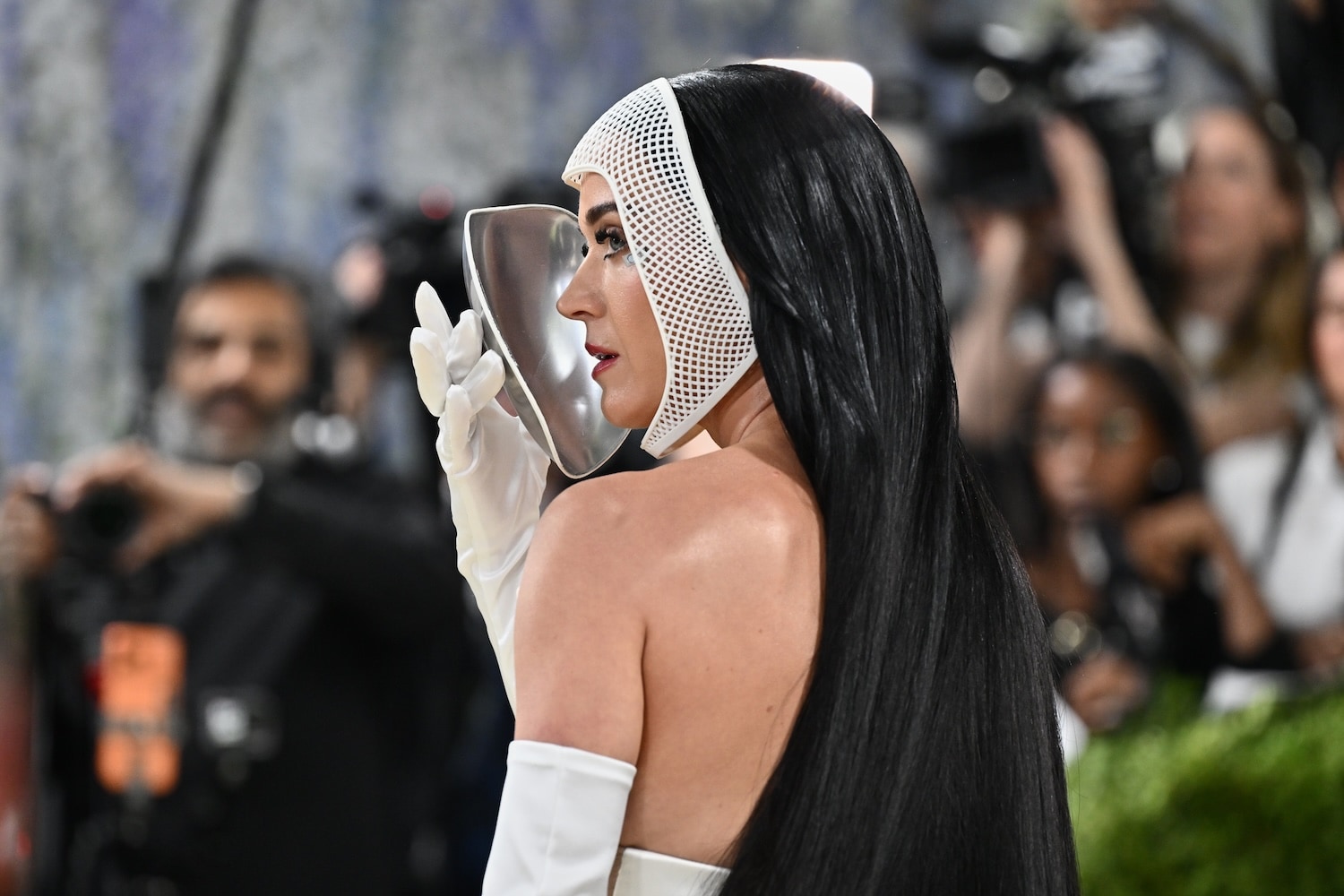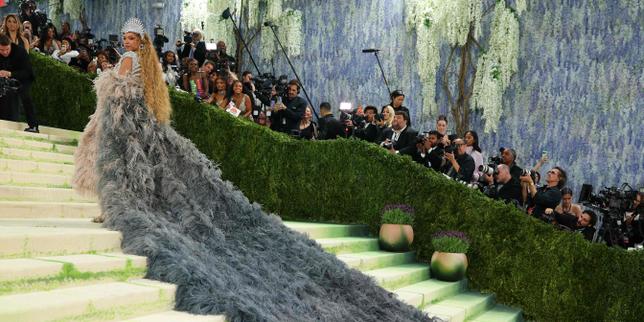
The Met Gala died years ago, but nobody told the mourners in haute couture.
While the breathless headlines focus on Beyoncé’s return to the steps of the Metropolitan Museum of Art, they’re missing the actual story. The spectacle isn’t a celebration of fashion anymore. It is a desperate, high-stakes trade show for dying legacy brands and celebrities who have outsourced their personalities to corporate committees. For a different view, consider: this related article.
The consensus view suggests this is the "biggest night in fashion." That is a lie. It’s the biggest night in algorithmic alignment. When a superstar like Beyoncé walks the carpet, she isn't there for the "Garden of Time" theme or to celebrate the Costume Institute's archives. She is there to execute a surgical strike on consumer attention.
The Myth of the Muse
The industry likes to pretend the Met Gala is about the "marriage of art and fashion." I have spent a decade sitting in rooms where these "artistic" decisions are made. Here is the reality: The designer-muse relationship is now a dry, legalistic contract. Related coverage on the subject has been shared by The Hollywood Reporter.
In the 90s, a designer like Alexander McQueen might have been genuinely inspired by a specific woman. Today, the process is a spreadsheet exercise. A brand like Givenchy or Balenciaga looks at their Q4 sales targets, identifies a celebrity with a high conversion rate in specific demographics, and buys a table for approximately $300,000.
The celebrity doesn’t wear the dress because it speaks to their soul. They wear it because their contract mandates a specific number of "high-impact public appearances." Beyoncé’s return isn’t a homecoming; it’s a masterclass in supply and demand. By staying away for years, she inflated the value of her presence. Now, she’s cashing in that cultural capital to anchor her own brand ecosystem.
Performance Art for People Who Hate Art
The "Garden of Time" theme was ostensibly about the fleeting nature of beauty. Ironically, the gala itself has become an exercise in permanence through digital saturation.
Critics praise the "risk-taking" on the red carpet. What risks?
- Risk 1: Wearing a dress that is physically impossible to sit in.
- Risk 2: Hiring a team of six handlers to carry a train up a staircase.
- Risk 3: Looking slightly ridiculous for the sake of a viral meme.
These aren't risks. They are calculated PR maneuvers. A real risk would be a celebrity showing up in a $50 vintage suit and explaining why the textile industry is currently the second-largest polluter on the planet. But you won’t see that, because the Met Gala is funded by the very entities that profit from that cycle of waste.
We are told to admire the craft. We see the hand-sewn crystals and the 500 hours of labor. But we ignore the fact that these garments are disposable. They are worn once, photographed 10,000 times, and then shoved into a temperature-controlled vault. It’s the antithesis of fashion’s original purpose—to be lived in.
The Data of the Distraction
Let’s look at the "Earned Media Value" (EMV). Last year’s gala generated over $1 billion in EMV. To the uninitiated, that sounds like success. To an insider, it looks like a bubble.
When everyone is screaming for attention, the cost of being heard skyrockets. This leads to the "Costume-ification" of the event. To stand out against Beyoncé or a Kardashian, a B-list actress has to dress like a literal chandelier or a giant cat. It’s a race to the bottom of the uncanny valley.
The data shows a diminishing return on these stunts. While the initial "likes" are high, brand sentiment often remains flat or even dips. Consumers are becoming savvy. They see through the artifice. They know that a star-studded carpet is just a billboard with a heartbeat.
The Beyoncé Paradox
Beyoncé is the only one playing the game correctly, which is exactly why her presence ruins it for everyone else.
She understands that in a world of total transparency, mystery is the only true luxury. By rarely giving interviews and carefully curating her appearances, she makes the Met Gala look small. When she arrives, the event becomes "The Beyoncé Show," and the other 400 guests become expensive background actors.
This creates a vacuum. Brands pay millions to be part of the "cultural conversation," only to find that the conversation is exclusively about one person. It’s a terrible ROI for everyone who isn't Queen Bey. If I were a CMO at a luxury house, I’d be questioning why I’m subsidizing a platform for my competitors’ biggest ambassadors.
The Costume Institute’s Identity Crisis
We also need to talk about the museum itself. The Costume Institute is a legitimate academic body. Its curators, like Andrew Bolton, are brilliant. But their work is being buried under a mountain of influencer fluff.
The exhibition—the actual reason for the party—is often an afterthought in the media coverage. People can tell you what Kim Kardashian wore, but they can’t tell you a single thing about the history of the "Garden of Time" or the garments being preserved.
The Gala has cannibalized the Institute. The fundraising is necessary, yes. But at what cost? We have turned a temple of history into a backdrop for TikTok content. We are trading long-term cultural significance for short-term engagement metrics.
The Death of the After-Party
The "exclusivity" of the Met Gala is its biggest selling point, yet it has never been more accessible—and therefore less cool.
In the era of live-streaming and "behind the scenes" social media clips, the mystique is gone. We see the celebrities sweating in the elevators. We see them eating tiny salads at tables sponsored by tech giants. The veil hasn't just been lifted; it’s been shredded.
True elitism requires a closed door. The moment you invite the world in to watch, it’s no longer an elite gathering; it’s a reality show. The real "insiders" have already moved on. They are holding private dinners where phones are confiscated at the door and no brands are mentioned. The Met Gala is for the masses now, which is the kiss of death for any high-fashion institution.
Stop Watching the Carpet
If you want to understand the state of culture, look at the people who aren't there.
Look at the designers who refuse to play the game. Look at the artists who find the display garish. The Met Gala has become a echo chamber of people telling each other how important they are, while the rest of the world moves toward a more fragmented, personalized version of style.
The red carpet is a lagging indicator. It tells you what was popular six months ago. It tells you which celebrities have the most aggressive management teams. It tells you which luxury conglomerates have the deepest pockets.
It does not tell you where fashion is going.
Beyoncé’s return is a signal, but not the one you think. It’s a signal that the event needs her more than she needs it. It’s a signal that the spectacle has reached its peak and has nowhere to go but down.
The "Garden of Time" is an apt theme. In the story it references, flowers are plucked to turn back time and delay the inevitable. The Met Gala is plucking every celebrity flower it can find, trying to stay relevant for one more hour, one more cycle, one more post.
The clock is ticking, and no amount of sequins can stop it.
Stop admiring the dress and start looking at the price tag—not the one in dollars, but the one in cultural soul. We are witnessing the final, glittery gasps of an era that chose virality over value.
The party is over. You’re just looking at the photos of the mess left behind.