The floodlights at the stadium hum a low, constant frequency, cutting through the damp night air. Down on the turf, the grass is manicured to a velvet perfection, smelling faintly of crushed blades and morning dew. To the fan in row fourteen, holding a half-eaten pretzel and waiting for the whistle, soccer is simple. It is twenty-two players, one leather sphere, and ninety minutes of shared heartbeat.
It is purity. It is poetry in motion.
Step fifty feet through the concrete tunnels, however, past the heavy steel doors marked authorized personnel only, and the poetry dissolves into spreadsheet columns, closed-door negotiations, and a quiet, unrelenting power struggle. Right now, two administrative Goliaths are locked in a room together, and the air inside is thick with accusation.
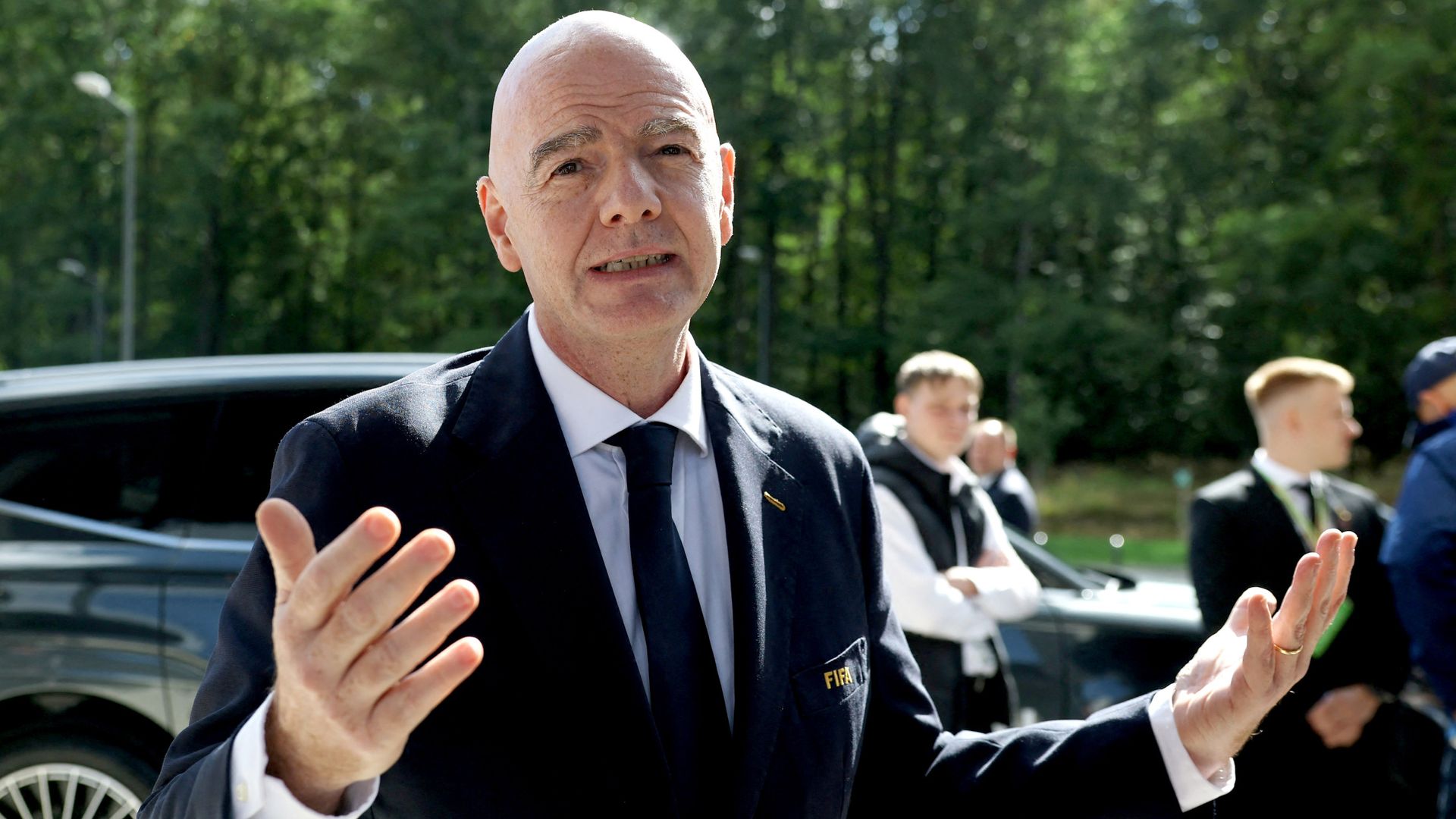
At the center of this friction is a familiar cast of characters: FIFA, the global governing body holding the keys to the international calendar, and UEFA, the continental powerhouse managing Europe’s elite club competitions. On paper, they are partners in the preservation of the sport. In practice, they are rival empires eyeing the exact same patch of territory, fighting over control, influence, and the ultimate allegiance of the people who kick the ball.
The latest flashpoint reads like a legal thriller rather than a sports update. European officials have found themselves staring down serious accusations, pointing toward a coordinated effort to shape public opinion—a sophisticated misinformation campaign designed to tilt the scales of power.
Imagine standing in a crowded room where everyone is shouting, but nobody is using words you can quite translate. That is what governance has become for the modern athlete and the everyday spectator.
To understand how we arrived at this quiet war, you have to look backward. For decades, the ecosystem of European football operated on an unwritten social contract. Leagues played on weekends, international tournaments took center stage during designated windows, and FIFA sat comfortably at the apex of the global pyramid, handing down decrees and organizing the crown jewel quadrennial tournament. UEFA managed the lucrative machinery of the Champions League, filling stadiums across the continent while fattening club treasuries.
Money changed everything.
As broadcasting rights exploded into billions of dollars, and venture capital began circling the ecosystem like sharks drawn to a tremor in the water, the boundaries blurred. Clubs wanted more matches, more revenue, more control. Governing bodies wanted to protect their monopolies. Every decision made in a glass-walled boardroom in Zurich or Nyon sent shockwaves down to the local academy coach trying to secure cones for a Tuesday afternoon training session.
When accusations of misinformation fly between these organizations, they are not just arguing over press releases or public relations strategy. They are fighting for the narrative. In the modern sports economy, perception is currency. If you can convince the public that your rival is overreaching, destabilizing the calendar, or endangering player health, you win the high ground.
And player health is the real casualty here.
Talk to anyone who has laced up boots professionally, and they will tell you the same thing: the human body has a breaking point. When administrators expand tournaments, add group stage matches, and squeeze international friendlies into an already saturated calendar, they aren't just creating more content for television networks. They are borrowing against the physical future of nineteen-year-old wingers and veteran captains.
Yet, when the public debate focuses entirely on administrative sparring and accusations of institutional dishonesty, the human element gets buried beneath the paperwork.
We forget the kid watching from a dusty television screen in a small village, dreaming of walking out under those roaring floodlights. We forget the local clubs that feed talent upward into the system, struggling to survive while the giants at the top carve up the financial pie.
The tussle between FIFA and UEFA is often framed as a technical dispute over jurisdiction, antitrust laws, and commercial rights. It sounds dry. It sounds distant. But trace the lines outward from those air-conditioned boardrooms, and you will see how it touches every corner of the game we love. It dictates when players rest, how much tickets cost, and whether the sport remains tethered to its communities or transforms entirely into a localized corporate entertainment product.
This conflict is far from over. As legal challenges mount and public scrutiny intensifies, both organizations will continue their high-stakes game of chess. Moves will be calculated. Statements will be crafted by teams of lawyers and communications experts.
The real question is whether anyone is still listening to the grass.
Because beneath the political maneuvering, the accusations, and the billion-dollar broadcasting deals, the ball is still waiting on the center spot. The referee still holds the whistle. And once the match begins, the politics fade away, leaving only the raw, beautiful unpredictability of human beings chasing a dream across green grass.