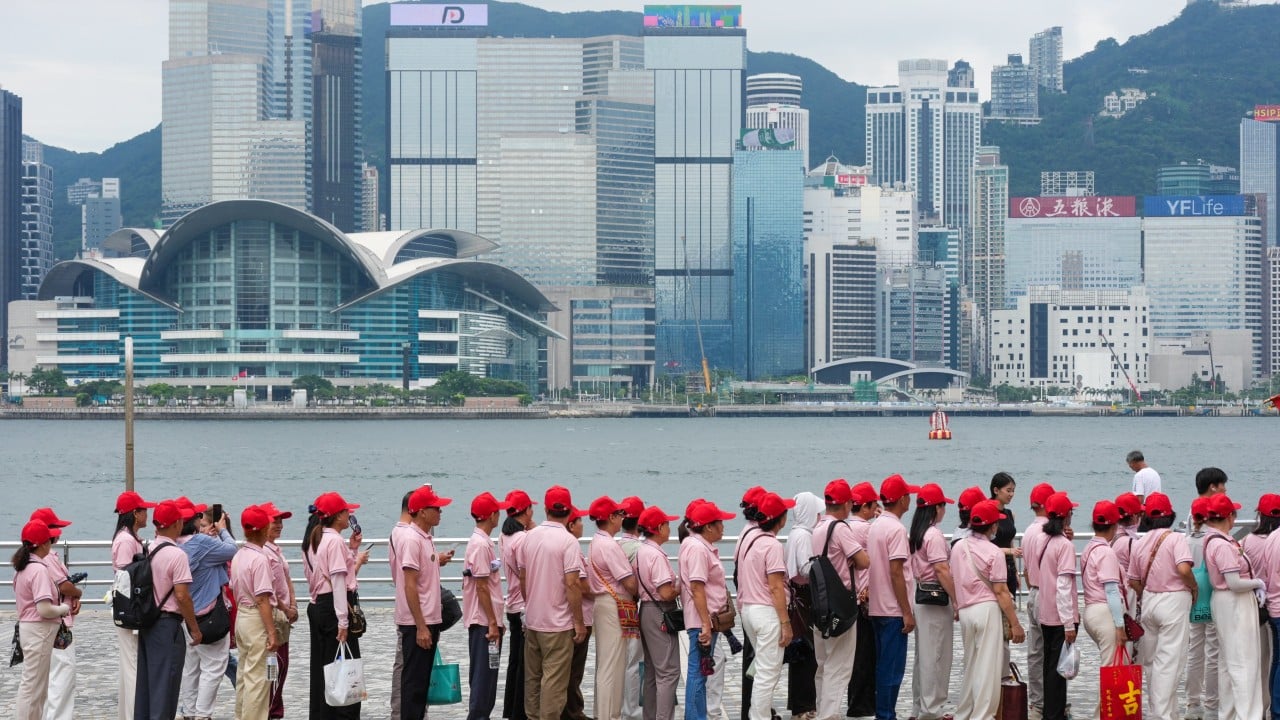
Punishing a single Hong Kong jewelry shop with a thirty-day ban for strong-arming tourists into buying overpriced jade isn't consumer protection. It is regulatory theater. Watchdogs love these headlines because they feed the comforting narrative of the heroic government protecting helpless travelers from predatory merchants.
The lazy consensus is simple: bad actors exploit naive tourists, the authorities step in with a penalty, and order is restored to the retail ecosystem. For an alternative perspective, read: this related article.
That story is a fairy tale.
I have spent decades watching how low-margin, high-volume tourism supply chains actually operate behind closed doors. When you outlaw high-pressure sales tactics in subsidized group tours without fixing the underlying economics of zero-dollar travel, you do not protect the consumer. You simply break the business model that keeps the entire machine breathing, forcing operators into even darker, less accountable corners of the gray market. Further analysis regarding this has been provided by The Motley Fool.
The Economics of the Zero-Dollar Tour
To understand why these jewelry shops exist, you have to look at the structural distortion of modern mass tourism. Mainland Chinese tour groups frequently arrive in Hong Kong on itineraries priced at zero dollars, or close to it. Hotels, coaches, and local guides cost real money. Someone has to pay for them.
The traveler pays nothing upfront because the tour operator sells the group's collective attention to local retail partners. The jeweler pays the agency a steep head-tax or commission upfront for the privilege of hosting a busload of captive shoppers.
Imagine a scenario where a shop pays tens of thousands of dollars just to get fifty people through the door for forty-five minutes. If those visitors walk out without buying a four-thousand-dollar pendant with questionable markup, the retailer loses money on the customer acquisition cost alone.
High-pressure sales are not an aberration. They are a mathematical necessity of a broken financial pipeline.
When regulators penalize a shop for coercing sales, they are treating the symptom while ignoring the disease. If you ban aggressive persuasion without reforming how travel agencies monetize zero-dollar itineraries, retailers will simply adapt. They will offshore the coercion, find more opaque ways to lock in minimum spend quotas before passengers even board the bus, or shut down entirely, taking thousands of low-wage retail jobs with them.
The Myth of the Unsuspecting Victim
Consumer advocates love to paint tour group members as innocent dupes who wandered off a lovely cruise and fell into the clutches of unscrupulous merchants.
That patronizing view ignores human behavior. Experienced travelers know exactly what a low-cost shopping tour entails. The social pressure inside a bus is intense, but the transaction is entirely transparent to anyone paying attention. People buy overpriced gold and jade not because they are hypnotized by silver-tongued salespeople, but because of status signaling, peer dynamics, and the specific cultural context of group consumption.
When authorities slap a thirty-day ban on a retailer, they validate a paternalistic fiction that adults lack agency. Worse, it distracts from actual fraud—such as counterfeit certification or synthetic gems sold as natural stones. If a shop sells fake goods, prosecute them for fraud. If a shop uses aggressive sales pitches to sell real jade at an inflated market price, you are essentially criminalizing aggressive retail marketing.
Department stores on Oxford Street or Fifth Avenue use high-pressure upselling every single day. We just dress it up in better lighting and call it luxury service.
Fixing the Pipeline Instead of Hiding the Symptoms
If regulators genuinely wanted to solve the tourist retail friction point, they would not rely on superficial suspensions that do nothing more than generate good press for bureaucrats. They would dismantle the root cause.
- Ban below-cost tour pricing: Require tour operators to charge baseline operational costs that cover transportation and guiding, eliminating the predatory subsidies paid by retailers.
- Enforce product transparency over behavioral policing: Shift regulatory energy away from how long a salesperson talks to a customer and toward ironclad certification of product authenticity.
- Decouple travel agency income from retail commissions: Force structural transparency into how guides are compensated so they do not rely on commission kickbacks to make a living wage.
Until these systemic adjustments happen, punishing individual storefronts is nothing more than political pageantry.
Stop pretending that a thirty-day timeout fixes a multibillion-dollar distortion built on subsidized travel. The shops will reopen, the buses will return, and the dance will start all over again because nobody in power has the stomach to fix the math.