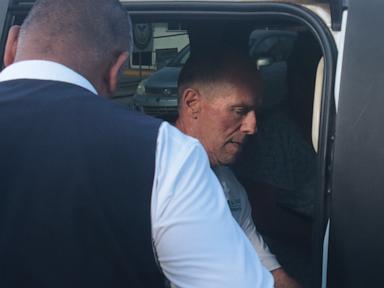
Two years after a remote Baja California campsite turned into a crime scene, the men accused of executing two Australian brothers and their American friend are finally facing a Mexican court.
The trial kicked off in Ensenada, pulling grieving families back into the orbit of an unimaginable nightmare. Australian brothers Jake and Callum Robinson, alongside their friend Jack Carter Rhoad, traveled to Mexico’s Pacific coast in April 2024 for a surf trip. They never made it home. Instead, prosecutors argue, they ran into opportunistic predators drawn by something as mundane as good tires and high-end phones. For a closer look into similar topics, we recommend: this related article.
If you've spent any time tracking international travel risks, this case shatters a lot of comfortable illusions. Let's look at what's actually happening in the courtroom and what it means for anyone packing a board bag for Latin America.
Inside the Ensenada Courtroom
The emotional weight of the proceedings hit immediately. Debra Robinson, mother of the slain Australian brothers, stared directly at the accused men before breaking down in tears. Her partner, Martin Robinson, told reporters outside the courthouse that they came simply to represent their sons and uncover why it happened. For further information on this topic, comprehensive reporting can also be found at Associated Press.
According to the state's case, the tragedy boiled down to a botched robbery targeting the victims' pickup truck. The surfers were camping in a secluded coastal area when attackers ambushed them, shooting each man in the head before dumping their bodies down a steep cliff-top shaft. The truck was later torched to hide evidence.
Testimony on the opening day came with chilling details. A key witness—the stepson of one defendant, testifying with his face concealed from an adjoining room—recounted waiting nearby while the violence unfolded. He heard the commotion, ran off, and was later warned by the group that a similar fate awaited him if he breathed a word. Another witness, a woman named Silva, allegedly tipped off the crew after spotting the tourists' valuables.
The Reality of Risk in Baja California
Baja California remains one of Mexico's most volatile regions. Drug cartels and localized gangs operate with heavy impunity, though major trafficking syndicates rarely target foreign tourists directly. But that distinction offers cold comfort.
When petty criminals realize isolated travelers have cash, expensive gear, or sought-after vehicles, systemic cartel violence blends seamlessly with opportunistic street crime. You don't have to be involved in illicit trades to find yourself in the wrong place. You just have to park your truck on the wrong stretch of sand.
The 2015 murders of two other Australian surfers, Dean Lucas and Adam Coleman, in the neighboring state of Sinaloa proved this isn't an isolated anomaly. It's a persistent vulnerability for anyone chasing remote, unpaved waves.
What Travelers Keep Getting Wrong
People love to romanticize off-grid travel. Social media glorifies sleeping under the stars miles away from civilization, treating local law enforcement or safety warnings like bureaucratic buzzkills.
The truth is harsher. Remote beaches lack cell service, police patrols, and basic infrastructure. If trouble finds you, nobody is coming.
- The isolated camp myth: Setting up camp far from populated areas doesn't make you an intrepid explorer; it often makes you an easy target.
- The vehicle trap: Driving a distinct, high-clearance foreign-plated truck through rural stretches advertises your net worth to local spotters.
- The safety illusion: Believing cartel zones are safe as long as you mind your own business ignores the reality of localized, desperate criminality.
Moving Forward Responsibly
You don't need to cancel your passport or lock yourself inside an all-inclusive resort. But you do need a massive dose of realism. Stick to populated campgrounds with active management when staying along isolated coasts. Keep a low profile, don't flash expensive electronics or gear, and pay attention when locals warn you away from specific areas after dark.
Justice for Jake, Callum, and Jack won't bring them back, nor will it heal the families sitting in that Ensenada courtroom. What it can do is force a hard look at the very real dangers lurking just beyond the edge of paradise.