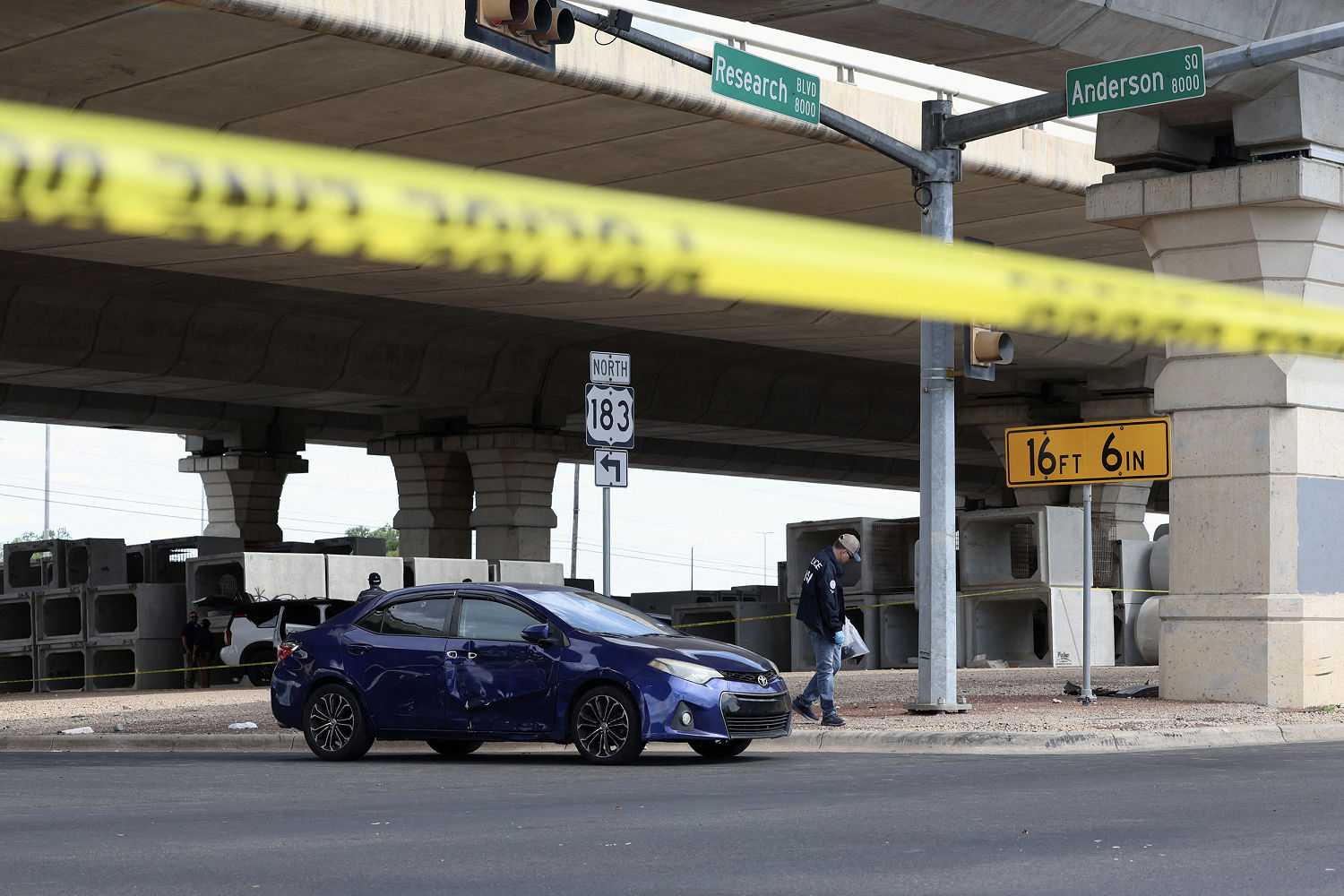
When a federal immigration enforcement operation ends with gunfire on a busy North Austin commercial strip, the shockwaves hit immediately. On September 20, 2026, a U.S. Immigration and Customs Enforcement (ICE) agent shot and wounded a man during a vehicle stop on West Anderson Lane, transforming a routine Sunday afternoon into a focal point for national debates over policing, transparency, and federal authority.
If you've been following the recent escalation of federal enforcement operations across major American cities, this incident isn't happening in a vacuum. It follows a tense summer marked by increased federal surges and high-profile confrontations, including a fatal shooting by an ICE officer in Houston earlier in July. Local leaders, community organizers, and residents are left asking hard questions about accountability when federal agents operate inside local municipalities.
Inside the North Austin Incident
The confrontation took place near Research Boulevard and Anderson Square, leaving a blue Toyota Corolla riddled with bullet holes and its passenger-side door heavily damaged. Emergency responders rushed the injured man—subsequently identified in local reports and official statements as 28-year-old Wilber Rafael Garces Perez—to a nearby hospital with serious injuries.
Details surrounding the exact trigger of the use of force remain heavily scrutinized. While local police and federal departments sort through the operational logs, the immediate aftermath drew roughly 100 protesters to the scene. Demonstrators clashed verbally with law enforcement officers holding riot shields, underscoring the deep distrust that exists between federal immigration authorities and portions of the local Austin community.
Austin officials didn't hide their frustration. Local leaders voiced strong concerns about federal agents operating within city limits without robust lines of communication or local coordination. The friction highlights a broader structural problem: when federal agencies execute tactical operations locally, municipal police departments are often left reacting to the fallout rather than managing public safety proactively.
The Battle Over Official Narratives
As standard procedure in officer-involved incidents, the public narrative splintered rapidly. The Department of Homeland Security (DHS) pushed back hard against circulating rumors regarding the status and treatment of Garces Perez, releasing formal statements to correct public records. According to DHS, the individual was the target of a specific vehicle stop, was receiving round-the-clock medical attention, and was subject to a final order of removal issued by a Department of Justice immigration judge.
Federal officials made it clear that despite local pushback and protests, ICE operations in Austin would not slow down or halt. The agency maintains that its personnel are simply executing federal laws passed by Congress, emphasizing that enforcement strategies won't shift based on municipal opposition.
On the other side of the aisle, federal lawmakers representing the area, including U.S. Rep. Greg Casar, demanded immediate transparency and accountability, characterizing the shooting as part of a disturbing pattern of aggressive enforcement actions. Community defense groups like Dare to Struggle mobilized quickly to monitor the situation, echoing demands that federal immigration surges scale back to protect community safety.
Why This Matters for Urban Safety
The clash in Austin points to a growing constitutional and logistical gray area. When federal law enforcement agencies bypass local law enforcement channels to execute high-stakes operations, trust breaks down. Residents wonder if local emergency systems can protect them, while local politicians find themselves locked in a jurisdictional tug-of-war with Washington.
Transparency remains the central demand. Independent oversight and clear investigative procedures are essential to maintain any semblance of community trust when an officer discharges a firearm. Without open investigations, incidents like the one on West Anderson Lane will continue to trigger rapid mobilizations, deepening the chasm between federal directives and local realities.
Moving forward, the pressure is on federal oversight bodies to deliver clear, unvarnished findings on what went wrong during that vehicle stop. Communities deserve to know the exact parameters of engagement that led to a federal agent firing their weapon on a public street. Keep an eye on how local municipal councils attempt to legislate or monitor federal movements in their backyards, because the fallout from Austin will undoubtedly shape enforcement tactics nationwide.
ICE agent shoots and wounds man in Austin, Texas, officials say
This coverage provides a comprehensive look at the initial official statements, local political reactions, and community protests following the shooting incident in Austin.