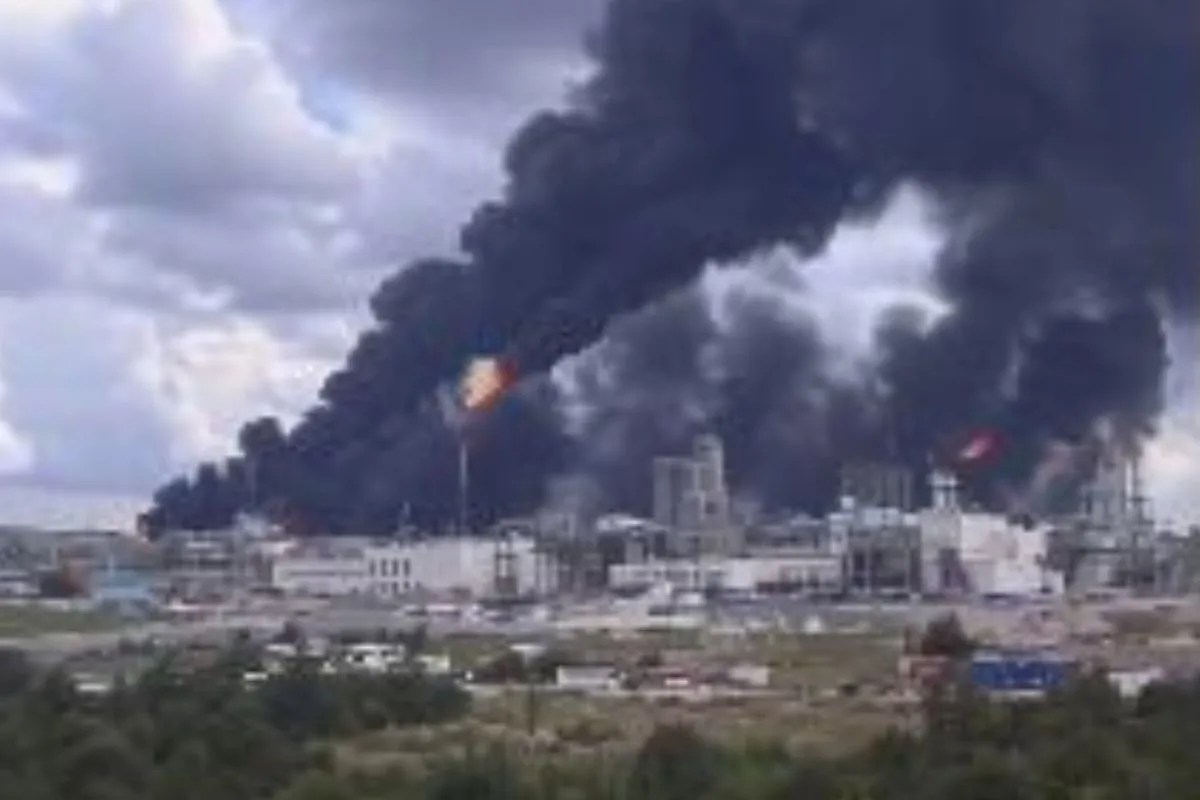
Stop crying over international law violations in a system built entirely on violence. Every six months into the current US-Iran conflict, armchair legal scholars crawl out of the woodwork to clutch their pearls over potential war crimes. They write exhaustive opinion pieces asking if anyone will ever face accountability for the shattered infrastructure, the civilian death tolls, and the unilateral naval blockades choking the Persian Gulf. It is a comforting fairy tale. It assumes international humanitarian law is a functional code rather than a post-hoc scorecard written by the victors to punish the losers.
I have watched policy wonks blow millions of hours and endless ink drafting briefs for courts that possess zero jurisdiction over superpowers. Let us dispense with the institutional delusion immediately. The Geneva Conventions do not govern total war between sovereign states and rogue security apparatuses; they manage the paperwork of conflict after the smoke clears. When Washington and Jerusalem launched Operation Epic Fury, obliterating command structures and assassinating leadership, they did not pause to cross-reference Article 51 of the UN Charter. They calculated strategic necessity and accepted the collateral ledger. Expecting an international tribunal to prosecute heads of state from nuclear-armed nations is like asking a traffic cop to ticket a main battle tank.
The False Promise of Universal Jurisdiction
The lazy consensus in mainstream commentary insists that accountability is merely a matter of political will. If only the International Criminal Court or the UN Security Council had the spine, we would see indictments. This perspective fundamentally misunderstands state sovereignty. Power creates law; law does not create power.
Consider a scenario where the Security Council actually tables a binding resolution to investigate high-ranking coalition officials for the widespread devastation caused during the ongoing blockades. What happens next? The veto flies. The targeted nation ignores the jurisdiction. The troops remain unpunished. Realpolitik respects force, not legalistic moralizing.
International relations operates under legal anarchy. When the Strait of Hormuz was shut down and counter-blockades were slapped onto Iranian ports, international maritime law became an immediate casualty. Shippers did not consult maritime attorneys; they consulted risk mitigation firms that priced the probability of missile strikes directly into insurance premiums. The market prices risk; courts parse semantics years after the victims are buried.
Why the Accountability Debate Misses the Point
Focusing on war crimes diverts attention from the structural mechanics driving modern conflict. By framing the discussion around legal infractions, critics reduce a systemic geopolitical crisis down to individual moral failures or bad actors. This is a profound category error.
The architects of these campaigns are not rogue commanders operating outside the bounds of military doctrine. They execute institutional imperatives designed by defense ministries, intelligence directorates, and executive councils. When a ballistic missile battery is targeted inside a densely populated urban sector, the military planners have already run the proportionality algorithms. They have weighed the expected military advantage against anticipated civilian losses and signed off on the strike.
If you want to challenge that decision, arguing about whether it breached Protocol Additional I of the Geneva Conventions is a losing game. The legal thresholds for "military necessity" are wide enough to fly a squadron of bombers through. Instead of asking whether a war crime occurred, the real question is why the international security architecture incentivizes escalation over containment.
The Realpolitik Playbook
Look at how actual power centers handle accountability. They audit outcomes, not ethics.
- Economic Warfare: Sanctions and naval interdictions are preferred over boots on the ground precisely because financial strangulation avoids the body counts that trigger domestic political backlash, even if it creates catastrophic humanitarian suffering downstream.
- Proxy Degradation: Systematically dismantling allied networks across the region follows a cold logic of deterrence that treats human populations as expendable chess pieces.
- Deterrence Maintenance: Deterrence relies on credibility, and credibility requires the demonstrated willingness to cross lines that legalists call illegal.
When state survival is perceived to be on the line, legal constraints evaporate. The supreme test of a nation's policy is not whether it conforms to a textbook on humanitarian law, but whether it achieves its strategic objectives before domestic or financial exhaustion sets in.
Stop Chasing Ghosts
If your strategy relies on the moral awakening of global superpowers or the enforcement capabilities of toothless transnational bodies, you deserve to lose. Accountability in modern geopolitics is internal, violent, and messy. It happens when leaders are overthrown by domestic economic collapse, when military overreach bankrupts an empire, or when a population pushed to the brink finally shatters the apparatus holding them down.
Tear up the legal briefs. Stop waiting for Hague indictments that will never materialize. Look at the balance sheets, map the logistics chains, and watch where the capital flows. That is where the war is actually being fought and decided.