The bunk on a tour bus smells like stale coffee, damp laundry, and diesel exhaust.
At three in the morning, somewhere between Des Moines and a truck stop with a flickering neon sign, your spine remembers every pothole on the interstate. Your throat feels like sandpaper. Your suitcase lives out of a cardboard box under a riser because unzipping it every twelve hours is a form of psychological torture.
For decades, that grinding rhythm was the price of admission for live music. If you wanted to make a living playing songs in front of people, you packed a trailer, pointed the bumper toward the horizon, and chased the map. City after city. Load-in at noon, soundcheck at four, curfew at eleven, rolling out by midnight.
Now, something quieter—and far more radical—is happening across the live entertainment world. Instead of hauling forty tons of steel, sound arrays, and lighting rigs across thirty cities, a growing wave of artists is planting roots in one room for weeks or months at a time. A concert residency.
The question hanging over arenas, theaters, and festivals isn't just a business footnote. Is the concert residency slowly replacing traditional touring?
To answer that honestly, we have to look past ticket grosses and press releases. We have to look at exhaustion, economics, and the strange way fans now move through the world.
The Myth of the Endless Road
For a long time, touring was treated like a rite of passage and a financial engine rolled into one. Streaming paid fractions of a penny per play, so the live stage became where musicians actually earned their keep. That much hasn't changed. People still want to feel bass rattle in their sternum and sing along with strangers in the dark.
What changed is the math.
Trucking costs climbed. Fuel prices swung wildly. Crew wages rose—as they should, because rigging a stadium show is backbreaking work—while insurance, venue fees, and production budgets ballooned. Mid-sized tours began bleeding cash even when rooms were three-quarters full. A band could play forty nights across North America and come home with a modest check, a blown-out voice, and a stack of medical bills they couldn't afford to touch.
To make sense of the shift, consider a hypothetical indie-pop artist I'll call Maya. (Maya isn't a real person; she's a composite built from conversations with touring musicians, stage managers, and booking agents who have watched the road get steeper year after year.)
Maya spent seven years on the van-and-trailer circuit. She loved the rush of a crowd singing her bridge back to her in a sticky club in Minneapolis. She hated waking up in a windowless green room with a fever two hours before doors opened, knowing that canceling meant eating tens of thousands of dollars in production holds and disappointed fans who had driven three hours each way.
A traditional tour is like trying to run a fine-dining restaurant by driving the stove, the walk-in cooler, the dishes, and the waitstaff down the highway every single night to a new dining room you've never cooked in before. Half your energy goes into surviving the commute before you even light a burner.
A residency flips that kitchen around. You build the room once. You tune the acoustics to the exact dimensions of the hall. You sleep in the same bed, eat at the same spots, and walk onto a stage you already know blindfolded.
That doesn't mean touring is dead. Far from it. Stadium runs and festival headlining slots still command colossal audiences and cultural oxygen. Yet the old assumption that a "real" tour has to hit every secondary market on a zigzagging route is cracking under its own weight.
When Vegas Stopped Being a Retirement Plan
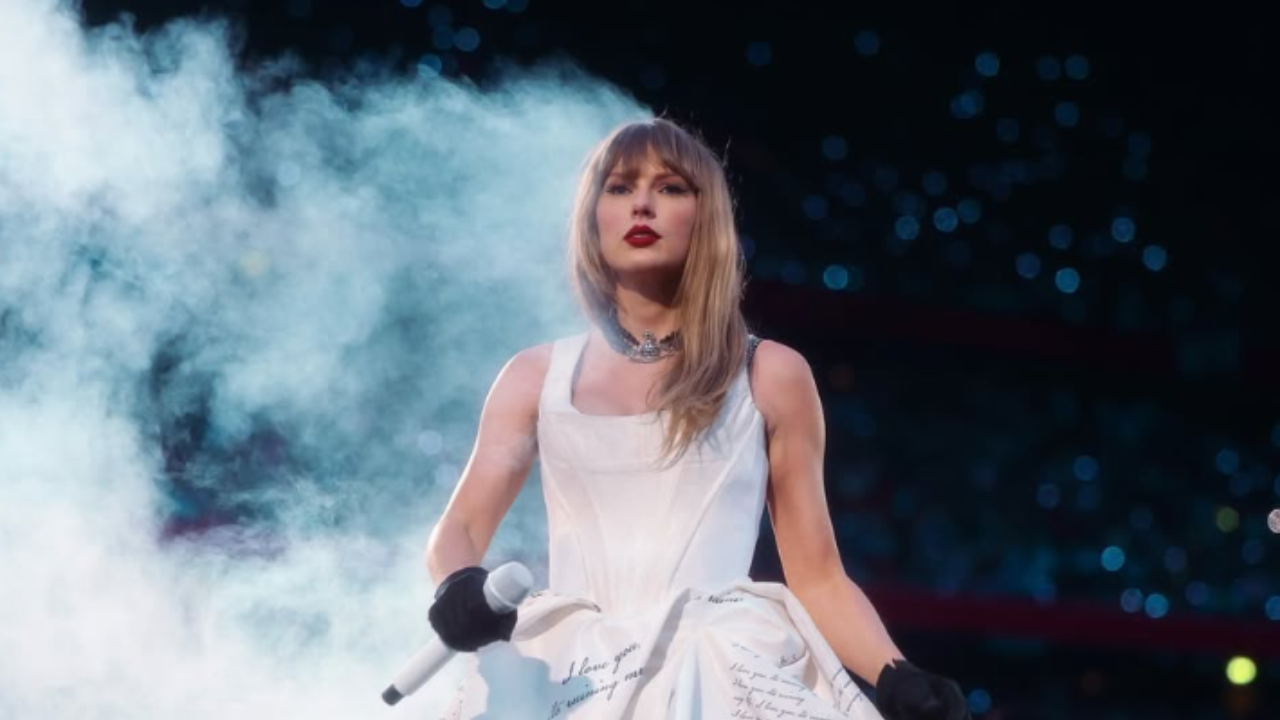
If you grew up before the mid-2010s, you probably carried a specific mental picture of a residency: a sequined veteran crooner or a classic rock icon spending their twilight years on the Las Vegas Strip while younger acts tore up the rest of the country.
That stereotype is dust.
Over the last decade, Las Vegas—alongside major hubs like London, New York, and Los Angeles—transformed from a niche side-quest into a premier destination for artists at the peak of their powers. Pop superstars, hip-hop heavyweights, electronic producers, and legacy bands alike have booked multi-night and multi-month runs in purpose-built rooms.
Why? Because production has become part of the song.
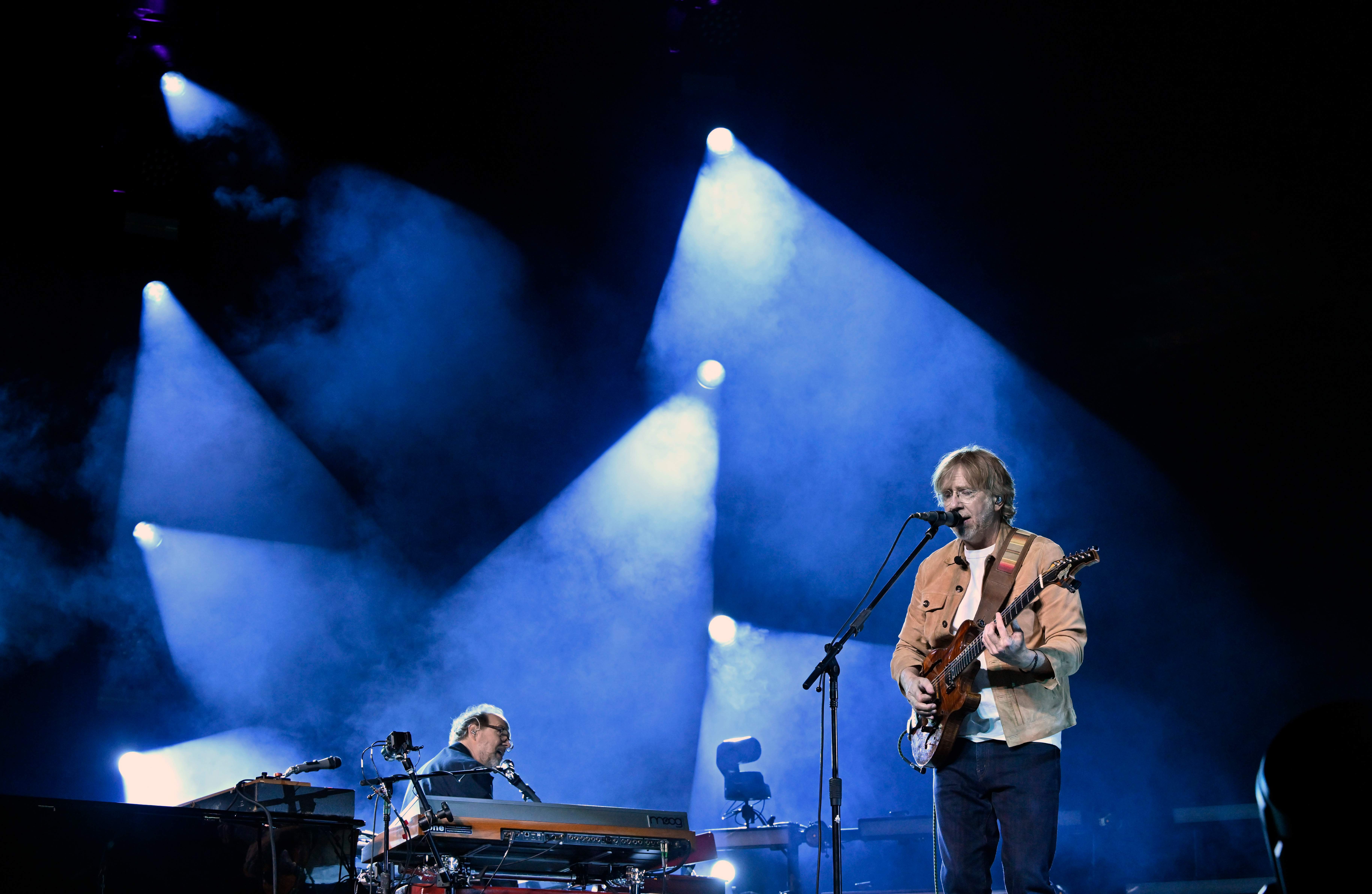
Modern live shows lean heavily on massive LED walls, intricate lighting cues, spatial audio, choreography, and theatrical staging. Dragging that level of spectacle from arena to arena requires an army of semis and hours of daily setup and teardown. When an artist settles into a single venue for a residency, they can engineer experiences tailored specifically to that space—sound design that hits every seat evenly, visual storytelling that doesn't have to be compromised because a local venue has a lower ceiling or a shorter load-in window.
Think of it like the difference between sketching on a notepad in the back of a cab versus painting on a canvas stretched tight in a sunlit studio. Both can capture truth. One gives you room to breathe and revise.
Fans noticed the shift, too. Concertgoing increasingly overlaps with travel. People already book flights and hotels to see a favorite artist at a massive festival or an iconic venue. A residency turns a show into a weekend trip—a mini-pilgrimage where the city itself becomes part of the memory.
The Invisible Stakes Behind the Curtain
It's easy to talk about residencies as a clever business pivot or a luxury perk for A-listers. That misses what's actually at stake.
Live music is built on human bodies. Vocal cords are delicate muscle tissue. Wrists and shoulders take years of repetitive strain. Sleep deprivation erodes judgment, immune systems, and mental health. When you play twenty-five shows in thirty-five days across four time zones, something eventually gives. Sometimes it's a postponed tour. Sometimes it's an artist stepping away from music entirely because the machine chewed them up.
A residency changes the cadence. Instead of living out of rolling luggage in a perpetual state of jet lag, an artist might perform a cluster of nights, take several days to rest, recover vocally, spend time with family, and reset.
That matters for the quality of the art on stage. A rested voice sounds warmer, freer, more alive. A band that isn't running on fumes can take risks in the setlist instead of just surviving the muscle memory of the show.
Still, I have to be honest here: residencies come with real doubts and blind spots that make plenty of music lovers uneasy.
First, there's the question of access and cost. When fans have to fly to a major hub and pay hotel rates on top of ticket prices, live music risks becoming a gilded experience tilted toward people with disposable income and flexible schedules. Not everyone can take a Friday off and hop on a plane. If residencies become the primary way major artists perform, what happens to the kid in a smaller city who used to save up for months just to see their favorite band at the local arena?
Second, there's a subtle emotional loss when an artist stops coming to you. Part of the magic of a traditional tour is civic—the feeling that for one Tuesday night, your hometown is the center of the musical universe. A residency asks the crowd to travel inward toward the artist's orbit rather than the artist spreading outward across the map.
And let's be clear: smaller and emerging artists rarely get handed a cushy multi-week residency right out of the gate. Venues book residencies when they trust an artist can reliably sell seats over time. For up-and-coming acts trying to build a fanbase from scratch, hitting the road—gritty, exhausting, unpredictable as it is—remains one of the few ways to prove people care.
Why It's a Remix, Not a Replacement
So, is the concert residency slowly replacing traditional touring?
No. It's reshaping the ecosystem around it.
History rarely wipes out a format completely when a new one catches fire. Radio didn't kill live performance; television didn't kill radio; streaming didn't kill vinyl or concerts. Instead, formats specialize.
Traditional touring will keep doing what it does best: covering ground, connecting with regional crowds, anchoring festival bills, and letting artists carry a show directly to cities that might never host a long-term run. Meanwhile, residencies are carving out a distinct lane—one built on sustainability, bespoke production, destination travel, and deeper creative control.
Many artists won't even choose strictly between the two. They'll blend them: a focused run of residency dates to anchor a season, paired with selective touring bursts when the routing makes sense and the stamina is there.
If we look at this moment clearly, the real story isn't "residency wins, tour loses." The real story is that musicians and fans are renegotiating what a sustainable life in music looks like. For too long, we romanticized burnout as passion. We cheered when artists played through exhaustion and called it dedication.
Maybe growing up means admitting that longevity is a form of artistry, too.
Picture the house lights dimming in a room that has held the same notes night after night. The stage isn't being torn down at midnight; the cables aren't being coiled into road cases under fluorescent work lights while trucks idle in a loading bay. The instruments stay right where they are, waiting for the next song, while out on the highway another bus hums past a mile marker in the dark—neither one erasing the other, both chasing the same fragile, electric proof that we were here together.