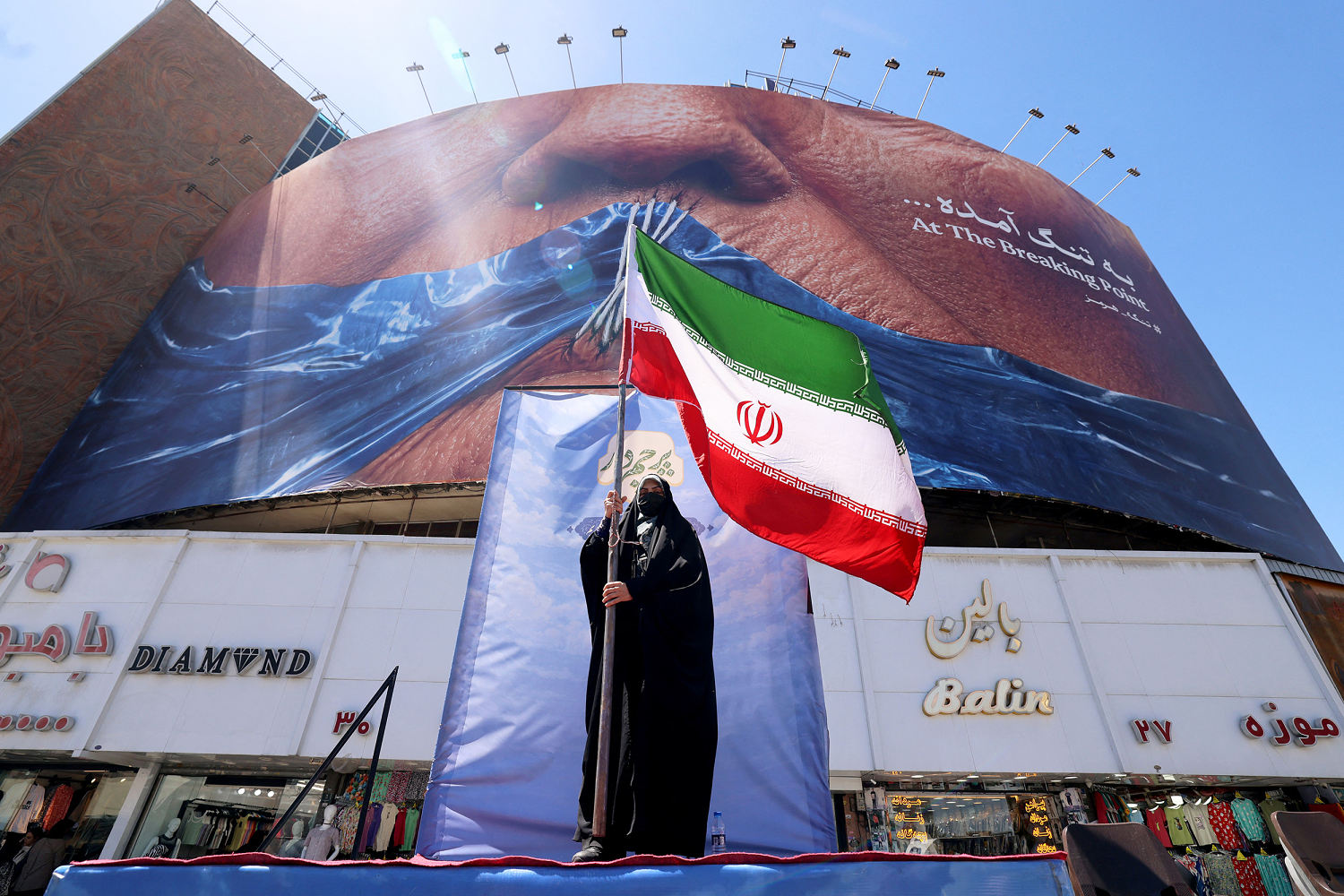
The media remains obsessed with the "tragic" failure of diplomacy between Washington and Tehran. Pundits wring their hands over "missed opportunities" and the "totally unacceptable" nature of current proposals. They treat the impasse like a broken machine that needs fixing. They are wrong.
The impasse isn't a failure of the system. It is the system. Expanding on this topic, you can also read: The Brutal Math of Clearing Ukraine.
Stop looking at the rejection of the latest proposal as a diplomatic stumble. Start looking at it as a strategic choice by two regimes that find more domestic stability in friction than they ever would in a grand bargain. The "deadlock" is a comfortable resting state for both parties. It provides a reliable enemy, a justification for massive defense spending, and a convenient scapegoat for internal economic mismanagement.
The Myth of the Rational Negotiator
We are told that if both sides just sat down with a "realistic" framework, peace would follow. This assumes that the primary goal of the Iranian leadership or the U.S. executive branch is actually to sign a piece of paper. It isn't. Experts at BBC News have shared their thoughts on this trend.
For the Iranian hardliners, a total thaw with the "Great Satan" is an existential threat. If the U.S. is no longer the monster under the bed, how does the Revolutionary Guard justify its grip on the economy? How does the Supreme Leader explain the decades of deprivation? If you remove the external pressure, the internal cracks in the Islamic Republic become the only story.
On the American side, "maximum pressure" or "strategic patience" are often just ways to kick the can down the road. No U.S. president wants to be the one who "lost" the Middle East by making concessions to a regime that funds proxies from Beirut to Sana'a. The political cost of a deal is almost always higher than the cost of a stalemate.
The Economic Reality of Sanctions
The common narrative is that sanctions are a tool to force a change in behavior. This is a fundamental misunderstanding of how power works in an autocracy.
Sanctions don't weaken the elite; they consolidate their power. When a country is cut off from global markets, the state becomes the only game in town. In Iran, the "shadow economy" controlled by the security apparatus thrives on smuggling and black-market arbitrage. They have a financial incentive to keep the sanctions in place because they are the ones with the keys to the back door.
The U.S. knows this. I’ve seen bureaucrats in D.C. admit behind closed doors that they don’t expect the sanctions to stop the nuclear program. They expect them to satisfy a domestic political need to "do something" without actually going to war. It’s theater, and both sides have memorized their lines.
The Nuclear Program is a Hedge Not a Goal
Everyone asks: "How close is Iran to a bomb?" This is the wrong question.
The correct question is: "How much leverage does the potential for a bomb provide?"
Actually building a weapon is a nightmare for Tehran. It triggers a regional arms race, potentially invites an Israeli or American strike, and ends their ability to play the victim on the international stage. But being "two weeks away" from a weapon? That is a golden ticket. It keeps them relevant. It forces the world to keep coming to the table with "incentives."
The impasse allows Iran to maintain this threshold status indefinitely. They get the prestige of a nuclear program without the consequences of a nuclear test.
Why 'Total Rejection' is a Winning Strategy
When the U.S. rejects a proposal as "unacceptable," or Iran calls a deal "insulting," they aren't talking to each other. They are talking to their bases.
- Washington's Play: By rejecting a deal, the administration avoids being labeled as "weak" by the opposition. It keeps the hawks at bay and ensures that the defense budget remains untouched.
- Tehran's Play: By offering a deal they know will be rejected, the regime can tell its people, "We tried to end the hardship, but the West is unreasonable." It shifts the blame for the tanking Rial from the central bank to the White House.
This is a choreographed dance. Each side takes a step, knowing exactly where the other will land.
The Regional Power Vacuum
The obsession with the U.S.-Iran relationship ignores the fact that the rest of the region has moved on. While Washington and Tehran bicker over enrichment percentages, the Gulf states are building new security architectures that don't rely on a formal deal.
The Abraham Accords and the subsequent shifts in regional diplomacy have created a reality where the "impasse" is actually a stabilizing force. If a deal were signed tomorrow, it would spook the Saudis and Emiratis, potentially leading to a massive regional realignment that the U.S. isn't prepared to handle.
Maintaining the status quo—uncomfortable as it may be—is actually the lowest-risk option for every major player in the theater.
Stop Asking When the Impasse Will End
You are waiting for a climax in a story that is designed to be a procedural. There is no "final act." There is only the next round of "unacceptable" proposals and "tough" rhetoric.
The impasse is not a problem to be solved; it is a geopolitical tool. The moment you realize that neither side truly wants the deal they claim to be chasing, the headlines stop being surprising.
The U.S. gets to maintain its moral high ground and its presence in the region. Iran gets to maintain its revolutionary identity and its shadow economy. The losers? The people caught in the middle who actually believe the rhetoric.
The impasse is the only deal that both sides have already agreed to keep.
Stop waiting for a breakthrough. The deadlock is the destination.



)