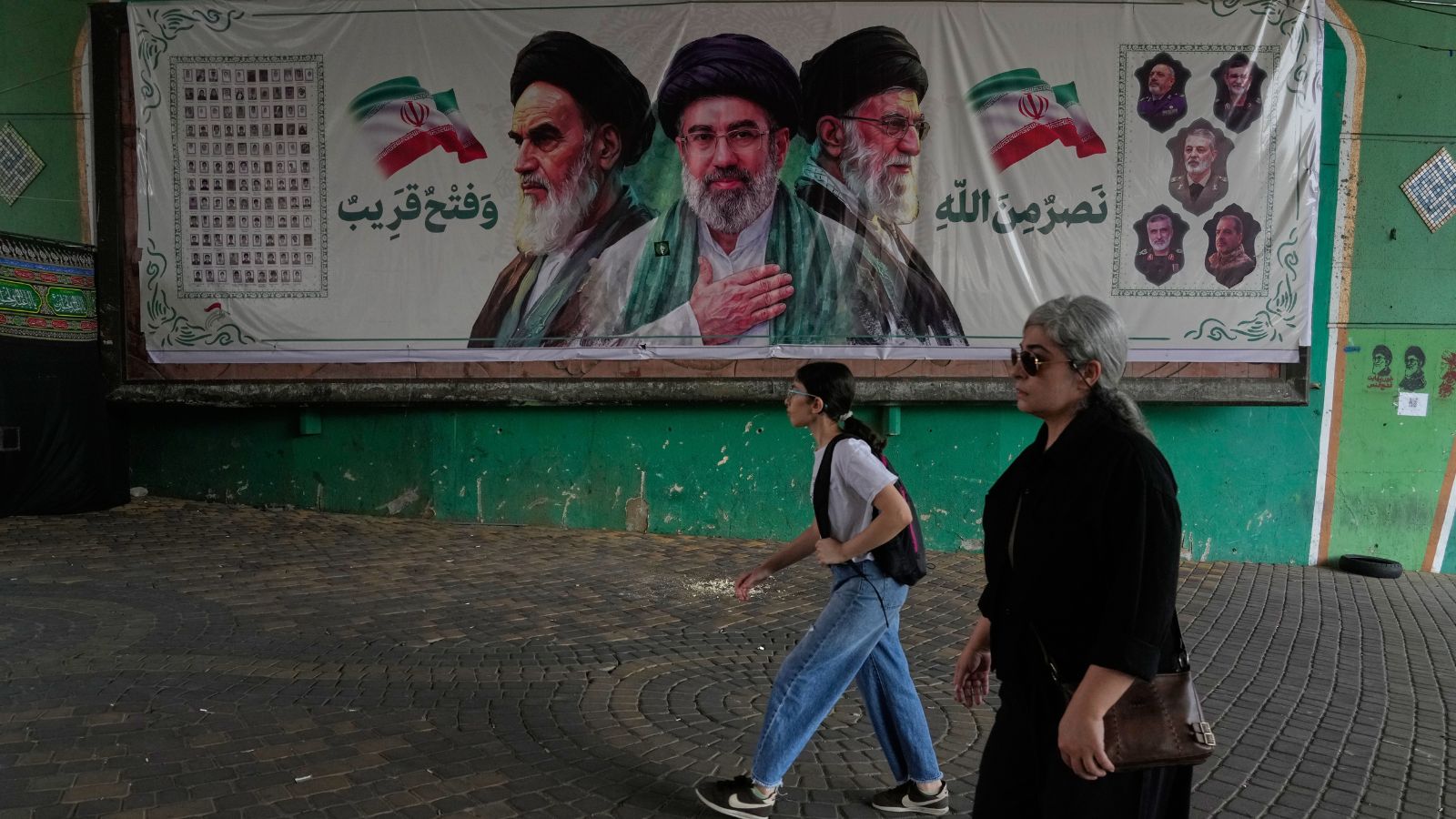
The coffee grows cold on the zinc counter of a small shop in Tehran, while thousands of miles away, a screen flickers in a quiet room in Florida. Between these two points lies an electric current of anticipation and dread. Diplomacy rarely announces itself with trumpets. More often, it arrives as a sudden, breathless pause in the rhythm of drums.
We forget that geopolitics is fundamentally human. We speak of steel, uranium, escalation curves, and retaliatory strikes as if they operate on an automated grid. They do not. They move at the speed of human pulse rates, fueled by ego, memory, fear, and the desperate calculus of survival.
Consider what happens when a leader arrives at the edge of the precipice.
Former President Donald Trump recently articulated a familiar refrain in a shifting, high-stakes arena: he would rather make a deal than continue military strikes against Iran. To the casual observer tracking headlines, it sounds like standard political theater. To those who study the architecture of conflict, it exposes the eternal tension between the desire to project absolute strength and the sobering gravity of what comes after the missiles fly.
Negotiation is rarely about surrender. It is about exhaustion.
Step back into the history of modern standoffs. The architecture of deterrence rests on a delicate, terrifying fiction—that both sides can stare into the abyss indefinitely without blinking. But real people live beneath those targeted skies. When factories hum with uncertainty and families stock pantries with dry goods, abstract economic sanctions and military posturing translate directly into raw anxiety.
Imagine a middle-aged shipping clerk in Bandar Abbas watching the horizon, wondering if tomorrow's cargo manifest will be written in smoke. That is the invisible stakeholder in every foreign policy speech delivered from a podium thousands of miles away. The rhetoric is broadcast in bold uppercase letters, but the cost is paid in lowercase quiet moments of fear.
Trump’s stated preference for a deal over unending conflict highlights a transactional worldview applied to global security. To him, the deal is the ultimate trophy. It is not about ideological conversion or long-term regional rehabilitation. It is about the closing of a ledger, the handshake under camera flashes, the declaration that a crisis has been successfully managed, contained, or temporarily suspended.
Yet, making a deal with Tehran is not like buying real estate. The ledger here is soaked in decades of proxy wars, historical grievances, broken trust, and deep-seated theological imperatives. You cannot simply rewrite the terms of a lease when one side views the very existence of the other as an existential threat.
This is where the calculus fractures.
Strikes offer a temporary kinetic release. They send a message written in fire and debris. They satisfy domestic audiences demanding immediate, visible resolve. But strikes have a terrifying half-life. They demand responses. They invite retaliation through shadow proxies, maritime disruptions in the Strait of Hormuz, and the acceleration of nuclear ambitions driven by the very fear of vulnerability.
When Trump weighs continued attacks against the pursuit of an agreement, he is confronting the law of diminishing returns on military force. Every bomb dropped narrows the diplomatic runway. Every explosion hardens the resolve inside underground bunkers.
We have seen this script before. The cycle spins upward into crisis, hovers at the brink of open war, and then frantically searches for an off-ramp.
The trouble with off-ramps is that they require both drivers to agree on where the road leads.
If diplomacy is to replace destruction, it demands a currency far more valuable than threats: mutual face-saving mechanisms. Neither Washington nor Tehran can afford to look weak to their domestic constituencies. Iranian leadership operates under the constant pressure of internal economic collapse and restless populations demanding change, yet they must project unyielding defiance against Western pressure. American leaders must project unshakeable deterrence while dodging the political fallout of getting dragged into another intractable Middle Eastern quagmire.
This is the tightrope walk of modern statecraft.
When a deal is floated, critics immediately cry appeasement. When strikes are launched, critics cry escalation. The truth, stripped of partisan armor, is far messier. It is a grinding war of attrition fought across conference tables, intelligence briefings, and backchannel communications managed by third-party intermediaries in capitals like Doha or Muscat.
Weigh the alternatives carefully.
On one side lies the steady accumulation of ruin—escalating exchanges that risk pulling global economies into an oil shock and plunging an already volatile region into total catastrophe. On the other side lies a fragile, deeply skeptical negotiation process that risks being derailed by a single stray rocket, a miscalculated maneuver by a naval patrol boat, or a provocative statement made during a weekend rally.
There is no clean exit. There is only the management of catastrophe.
When the former president expresses a preference for a deal, he is tapping into a very real exhaustion pulsing through the American electorate. Decades of perpetual war have left a scar across the national psyche. The appetite for grand crusades has vanished, replaced by a weary pragmatism that asks a simple question: What does victory actually look like, and can we afford it?
Yet, wishing for a deal does not automatically summon one into existence. Good intentions are currency of little value in the harsh marketplace of international power. It requires leverage, relentless pressure, clear boundaries, and the cold, unyielding recognition of reality.
The coffee shop in Tehran eventually closes for the night. The screen in Florida goes dark. Across the ocean, the silent machinery of state keeps turning—satellites tracking coordinates, diplomats drafting conditional clauses, and soldiers waiting for orders that could change the map of the world by morning.
The space between a strike and a signature is razor-thin. And everything depends on who has the steady hand to hold the line.