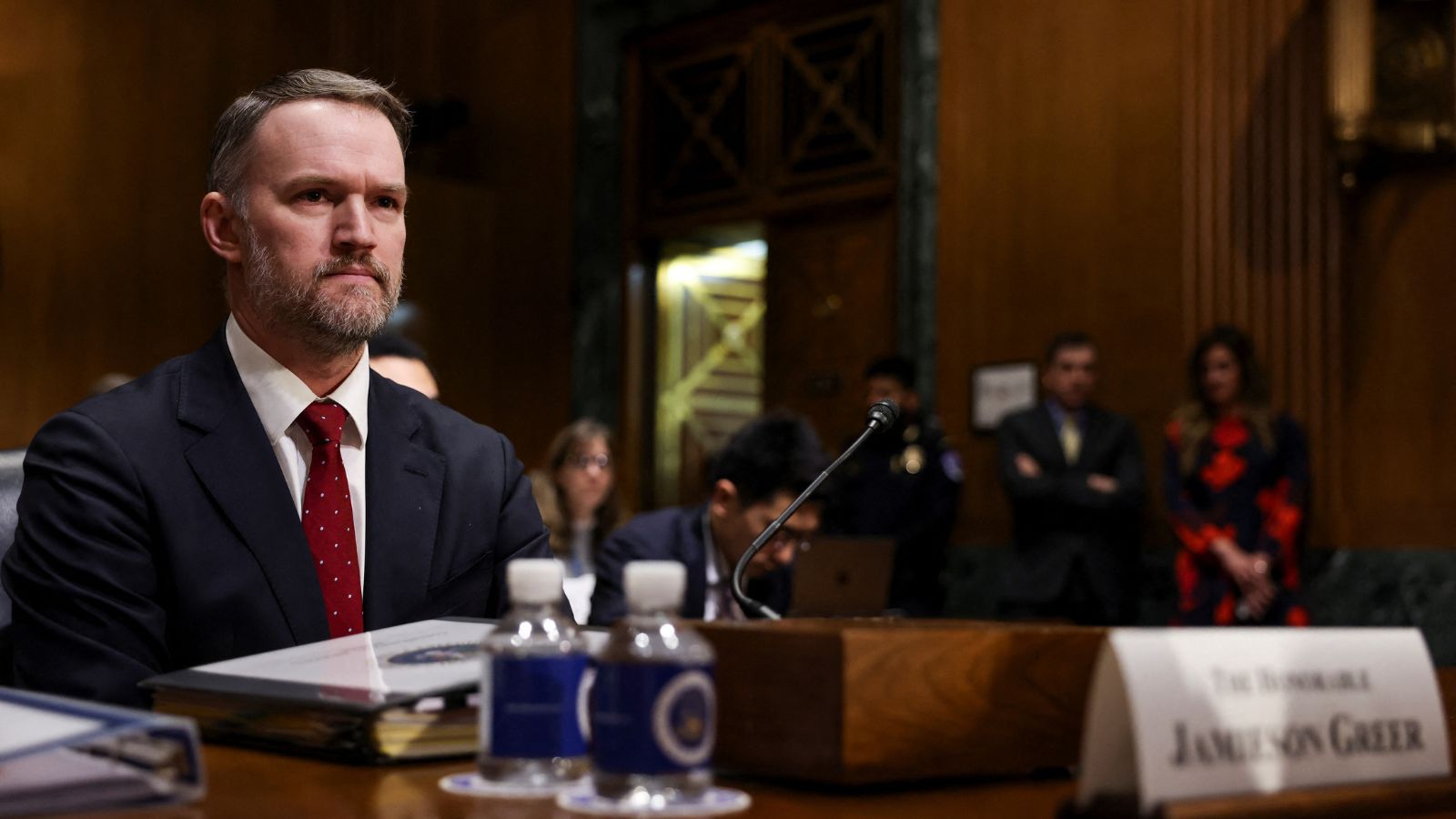
The expiry of the temporary 10% global import levy under Section 122 of the Trade Act of 1974 forces a structural shift in American trade architecture. Rather than a retreat from protectionist policy, the expiration triggers a transition from broad emergency tools to targeted, legally insulated mechanisms. U.S. Trade Representative Jamieson Greer has confirmed that the administration will deploy new tariffs targeting 60 trading partners. This transition marks the end of broad executive actions, which were dismantled by the Supreme Court in February 2026, and the beginning of a statutory framework built around labor and capacity violations.
Understanding this shift requires examining the operational framework driving the new trade policy, the legal mechanisms replacing emergency executive powers, and the strategic leverage being applied to major bilateral trading blocks.
The Legal Re-engineering: Section 122 to Section 301
The outgoing 10% global duty functioned as an economic stopgap. Implemented via Section 122 to manage balance-of-payments emergencies, its legal durability was inherently limited by its temporary statutory design. The administration's new approach relies on Section 301 of the Trade Act of 1974, shifting the justification from macroeconomic stabilization to explicit trade enforcement.
This structural pivot addresses the legal vulnerabilities that disabled previous executive actions. By tying the new tariffs to the findings of a formal investigation into foreign forced labor practices, the administration aims to build a stronger legal foundation against future court challenges. The mechanism divides targeted nations into a two-tiered enforcement structure:
- Tier 1 (10% Tariff Rate): Applied to jurisdictions deemed to have established baseline legal frameworks against forced labor, even if enforcement gaps persist. This tier includes Canada, the European Union, Mexico, Taiwan, and the United Kingdom.
- Tier 2 (12.5% Tariff Rate): Applied to over 40 major economies—including China, India, and Japan—where the administration identifies systemic statutory deficiencies or systemic enforcement failures regarding forced labor.
This statutory framework covers nearly 99% of U.S. import volume. By shifting the legal justification from an emergency declaration to a structural trade investigation, the executive branch changes the standard of judicial review from broad constitutional limits on trade power to the execution of specific statutory mandates.
The Asymmetrical Leverage Strategy
The deployment of these enforcement tariffs operates alongside targeted bilateral trade actions, creating an asymmetric negotiation strategy designed to maximize leverage during active trade reviews.
[Section 301 Global Forced Labor Investigation]
        │
        ├──► Tier 1 (10%): EU, UK, Taiwan, Mexico, Canada
        └──► Tier 2 (12.5%): China, India, Japan

[Parallel Bilateral Escalate Mechanisms]
        ├──► Canada: 50% Section 338 Tariff (USMCA Leverage)
        └──► Brazil: 25% IP/Digital Trade + Pending 12.5% Labor Tariff
The Canadian Containment and USMCA Reconsideration
The announcement of a 50% tariff on a wide array of Canadian products, set to take effect in late August 2026, highlights how the administration uses multiple trade tools at once. Legally justified under the untested Section 338 of the Tariff Act of 1930, this high tariff is designed to force concessions ahead of the joint review of the U.S.-Mexico-Canada Agreement (USMCA).
The 50% Canadian duty does not exempt goods moving under current USMCA preferences. This creates an immediate problem for integrated cross-border supply chains. The mechanism acts as an economic penalty meant to discourage Canadian delays and push for an asymmetric renegotiation of the North American trade zone. In response, Canadian authorities are weighing retaliatory measures, setting up a potential cycle of escalating trade penalties.
The Brazilian Precedent
The enforcement strategy against Brazil shows how different tariff measures can accumulate. A 25% duty on specific Brazilian imports—penalizing policies linked to digital trade, intellectual property, and ethanol—takes effect immediately. When combined with the upcoming Section 301 forced labor framework, Brazil faces a potential total tariff rate of 37.5% on non-exempt goods.
While exemptions exist for products the U.S. does not produce domestically, like coffee, the American Chamber of Commerce for Brazil notes that this dual-track enforcement creates restrictive access conditions, putting over $11 billion in export value at risk.
Domestic Pressures and Structural Constraints
While the administration wants to deploy high tariff rates, its strategy faces clear macroeconomic and political constraints. A parallel Section 301 probe into foreign industrial overcapacity involves 16 major trading partners, including the EU, China, South Korea, and India. This investigation offers a legal path to raise duties well above the baseline 12.5% level, but domestic economic conditions limit how quickly these measures can be used.
                  ┌───────────────────────────┐
                  │ Macroeconomic Feedback     │
                  └─────────────┬─────────────┘
                                │
        ┌───────────────────────┴───────────────────────┐
        ▼                                               ▼
┌──────────────────────────────┐                ┌──────────────────────────────┐
│ Consumer Price Inflation     │                │ Supply Chain Disruption      │
│ • Retail gasoline >$4/gallon │                │ • Intermediate goods tax     │
│ • Voter cost-of-living focus │                │ • Manufacturing input drag   │
└──────────────────────────────┘                └──────────────────────────────┘
Consumer price pressures, highlighted by retail gasoline prices rising above $4 per gallon, create political risks ahead of the upcoming midterm elections. Higher tariffs on consumer goods risk increasing inflation and upsetting voters concerned about the cost of living.
To manage these risks, trade officials are softening the immediate impact of these measures through specific exemptions. These include zero-rating specific consumer goods and delaying implementation on critical items.
For instance, the new 100% sector-specific tariff on imported generic drugs will not take effect until August 2028, and will rise to 200% in 2029. To prevent sudden supply shortages, the tariff rate will be set to zero until August 2026. This creates a two-year regulatory window designed to encourage companies to move pharmaceutical production back to the United States before the financial penalties hit.
Supply Chain Adjustments for Global Enterprises
The shift toward permanent, investigation-backed tariffs means corporate supply chain strategies must change. Companies can no longer treat tariffs as temporary political friction; they must view them as structural operational costs. Managing this environment requires a disciplined response:
- Traceability Mapping: Companies must deploy verified supply chain tracing systems to track inputs down to the raw material level. Because the Tier 2 12.5% tariff is tied directly to regional forced labor risks, businesses must prove their supply chains are clean to avoid delays and higher duties.
- Structural Bifurcation: Enterprises should split their production networks into two distinct models: one localized within the U.S. or high-preference zones to serve the domestic market, and another optimized for international trade outside the U.S. tariff wall.
- Tariff Engineering: Companies must review how products are classified under the Harmonized Tariff Schedule (HTS). Modifying product components or shifting final assembly locations can help firms legally move goods from Tier 2 categories into lower-taxed Tier 1 categories or exempt classifications.
This legal and regulatory transition shows that the era of open global supply chains is being replaced by a managed trade environment. In this new landscape, market access depends on strict regulatory compliance and strategic alignment with U.S. trade policy.