Workplace heat exposure is an operational failure disguised as an environmental hazard. When labor representatives demand mandatory heatstroke-prevention equipment, the discourse typically centers on moral imperatives and humanitarian relief. Yet, stripping away the rhetoric reveals a strict economic function: thermal stress represents an unpriced negative externality imposed on labor, resulting in diminished output, increased physiological degradation, and catastrophic legal liabilities.
Analyzing the mechanics of thermal regulation requires moving past superficial appeals for water and shade. Organizations must deconstruct heat mitigation into a tri-part economic framework comprising exposure monitoring, physiological adaptation, and engineering controls. Treating heat safety as a compliance checkbox rather than a core variable in human capital depreciation guarantees systemic failure.
The Three Pillars of Thermal Defense
To operationalize safety without sacrificing productivity, safety engineering relies on three distinct variables. Each variable targets a different stage of heat transfer between the environment and the human body.
The first pillar is environmental measurement. Relying on standard ambient air temperature is a critical operational error. The body evaluates thermal load through the Wet Bulb Globe Temperature, which accounts for ambient temperature, humidity, wind speed, and solar radiation. Without monitoring these compounding metrics, safety thresholds remain reactive rather than predictive.
The second pillar dictates physiological acclimatization. The human body requires a gradual increase in exposure duration over a 7-to-14-day window to optimize sweat response and electrolyte retention. Deploying unacclimatized personnel into high-stress environments during a heat wave bypasses biological safeguards. Statistical tracking indicates that a disproportionate percentage of severe heat incidents occur within the initial shifts of employment or following extended absences.
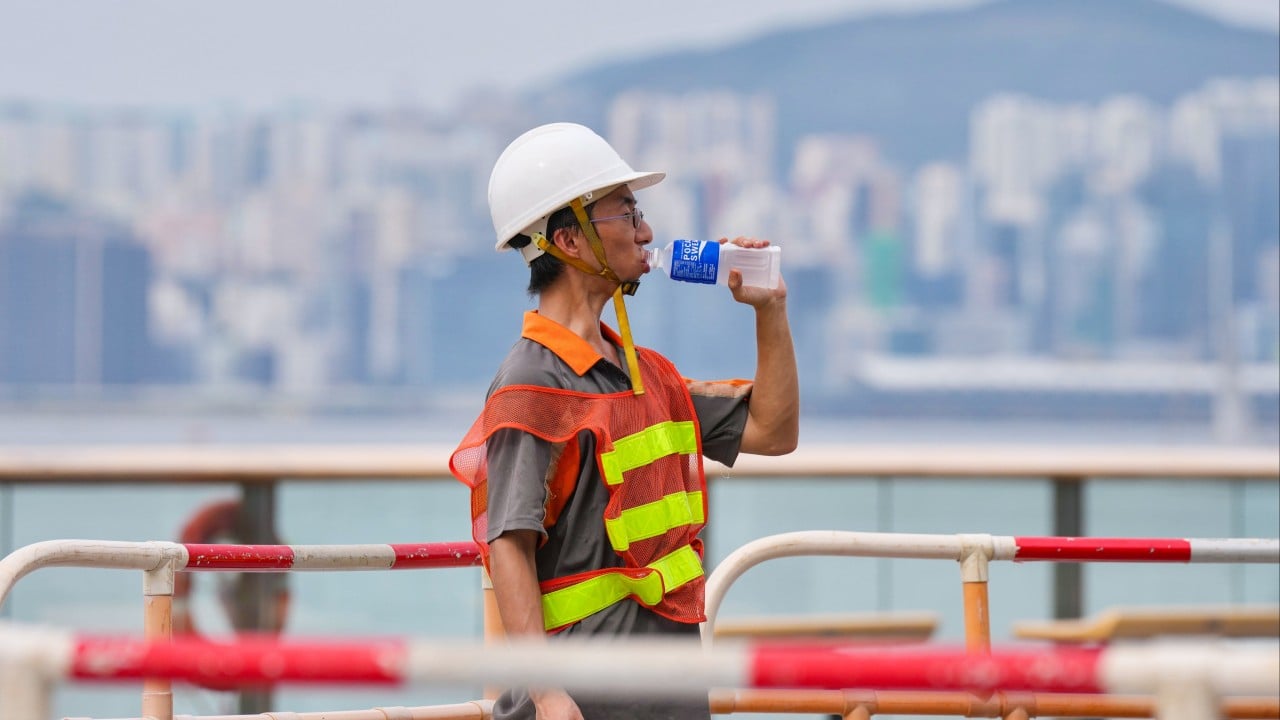
The third pillar involves engineering and administrative controls. Personal cooling systems, auxiliary ventilation, mandatory rest cycles in climate-controlled zones, and optimized hydration schedules form the physical barrier against illness. Administrative scheduling must shift heavy labor tasks to thermal windows of lower ambient risk, decoupling production targets from peak solar radiation hours.
The Cost Function of Thermal Neglect
Failing to implement structural heat mitigation generates hidden friction across corporate balance sheets. While capital expenditure on cooling infrastructure, monitoring devices, and auxiliary cooling garments requires upfront allocation, the alternative cost structure is exponentially higher.
The primary expenditure vector is productivity loss. Cognitive function, motor control, and decision-making accuracy degrade significantly as core body temperatures rise. Workers experiencing low-grade thermal strain exhibit slower reaction times and higher error frequencies, directly contracting output volume and quality.
The secondary expenditure vector is turnover and absenteeism. Chronic exposure to unmitigated heat accelerates physical burnout, forcing organizations into recurring cycles of recruitment and onboarding. Furthermore, regulatory penalties and litigation arising from heat-related hospitalizations or fatalities introduce existential legal risks. Insurance premiums scale upward proportionally with safety violations, transforming negligence into a permanent overhead tax.
Systemic Bottlenecks in Standardization
Mandating heat safety equipment encounters friction primarily due to operational variance. A uniform mandate fails to account for the divergence between outdoor agriculture or construction and indoor manufacturing environments near industrial furnaces. Indoor workers face extreme radiant heat and heavy protective gear requirements that trap body heat, while outdoor workers contend with solar load and humidity.
Another structural bottleneck involves the misuse of mitigation tools. Relying on unfiltered fans in high-ambient-temperature environments can accelerate dehydration rather than cooling, acting as a convection oven effect. Equipment distribution without corresponding training protocols on symptom recognition yields zero risk reduction. Supervisors must be empowered to halt operations based on objective metrics rather than production quotas.
Organizations must integrate heat illness prevention plans into daily operational dispatch. Treat thermal limits with the same analytical rigor applied to machinery maintenance schedules and structural load capacities. Implement real-time Wet Bulb Globe Temperature tracking tied to automated shift modifications, mandate gradual physiological ramp-up periods for all personnel shifts, and tie safety compliance directly to operational management metrics.