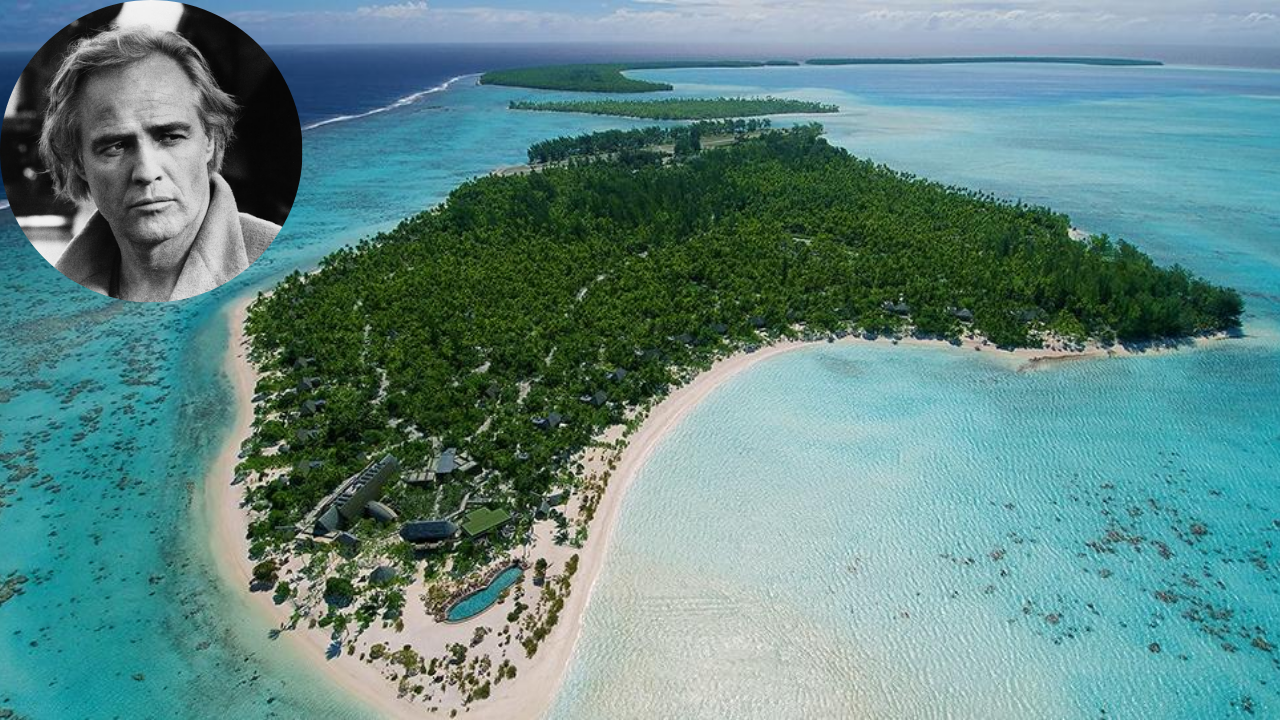
The preservation of remote island ecosystems typically degrades under the weight of commercial capitalization, creating a zero-sum conflict between luxury tourism and biodiversity protection. The transformation of French Polynesia's Tetiaroa Atoll, historically a private retreat for Marlon Brando and currently home to a high-end enterprise, offers a blueprint for upending this dynamic. Deconstructing how an isolated coral ring balances high-value hospitality with long-term ecological restoration requires examining the operational mechanics, thermodynamic efficiencies, and governance frameworks that make self-sustaining conservation viable at scale.
The Thermodynamic Cost Function of Island Infrastructure
Operating a remote luxury development introduces severe logistical bottlenecks. Imported fossil fuels incur steep financial and carbon penalties, while traditional air conditioning systems create baseline electrical loads that strain isolated microgrids. Tetiaroa resolves this constraint through a capital-intensive structural substitution: replacing mechanical chillers with Sea Water Air Conditioning (SWAC).
The SWAC infrastructure leverages the thermal gradient of the surrounding Pacific Ocean. By drawing water from a depth of roughly 930 meters, where temperatures hover near freezing, the facility pumps cold water through closed-loop heat exchangers. This thermodynamic loop cuts the resort's cooling energy demand by nearly 70 percent, avoiding the diesel generation profiles common to remote oceanic latitudes.
Electrical generation follows a localized polygeneration matrix. Photovoltaic arrays positioned along the footprint of the island's airstrip capture equatorial solar radiation, backed by flow-battery storage technology built from recyclable materials. Residual energy demands rely on secondary biofuel generators running on locally derived coconut oil. This closes the energy loop, shifting operational dependency away from imported petroleum logistics.
The Institutional Triad of Atoll Governance
Conservation without enforcement degrades into paper parks. Tetiaroa maintains its biodiversity metrics through an institutional triad separating commercial operations, scientific inquiry, and legal stewardship:
- The Commercial Engine: The hospitality entity funds baseline infrastructure, transportation logistics, and guest-facing conservation levies, turning affluent tourism into a reliable revenue stream for ecological maintenance.
- The Scientific Body: The Tetiaroa Society acts as an independent non-profit research arm, auditing environmental impacts, mapping species distributions, and regulating field research without commercial interference.
- The Estate Trust: The Brando Family Trust enforces legal covenants that restrict structural footprint expansion, preserving the physical carrying capacity of the twelve constituent islets.
This structural separation ensures that economic pressures cannot override biological thresholds. When visitor revenue dips, the baseline non-profit framework maintains monitoring protocols independently.
Biological Indicators and Carrying Capacity Metrics
Evaluating the success of a sanctuary requires longitudinal biological monitoring rather than subjective aesthetic assessments. Field data from conservation partners and the Tetiaroa Society demonstrate clear feedback loops resulting from decades of invasive species eradication and strict habitat zoning.
Marine monitoring programs focusing on the green sea turtle (Chelonia mydas) illustrate this recovery trajectory. Recent seasonal metrics recorded over 15,600 hatchlings emerging from more than 160 monitored nests across the atoll's protected sand beaches. Because female sea turtles exhibit high natal homing fidelity—returning to their exact birthplace decades later—the preservation of dark, undisturbed littoral zones creates a compounding generational effect.
Avian populations experience parallel stabilization. The motus serve as breeding grounds for dense colonies of seabirds, including red-tailed tropicbirds, brown boobies, and great crested terns. Restricting human access to specific islets eliminates ground-predator vectors and human foot traffic, protecting nesting sites during critical reproductive windows.
Systemic Vulnerabilities and Scaling Limitations
Despite optimized engineering and stringent governance, the model faces external vulnerabilities that local infrastructure cannot mitigate.
- Macro-Climatic Exposure: Coral reefs surrounding the atoll remain exposed to rising sea surface temperatures and ocean acidification. While local management eliminates destructive fishing practices and anchoring damage, it cannot insulate the reef from global thermal bleaching events.
- The Transport Emissions Paradox: High-end eco-tourism depends on international aviation. Because guests must travel long distances by jet to reach French Polynesia, the carbon footprint of transit dwarfs the operational footprint of the island itself. While carbon offset programs attempt to balance this ledger, they represent a financial mitigation rather than a physical reduction in atmospheric carbon.
- Invasive Species Pressures: Geographic isolation provides natural quarantine benefits, but climate shifts and marine traffic increase the vector risk for invasive insect species and pathogens, requiring continuous biosecurity screening at the airstrip.
Strategic Replication Playbook
Deploying the Tetiaroa framework to other vulnerable island ecosystems requires a sequential capital strategy rather than an improvisation of goodwill. Developers must secure long-term territorial control through multi-decade leases or trusts to eliminate short-term extraction incentives. Next, energy architecture must be decoupled from imported liquid fuels prior to breaking ground on hospitality assets, utilizing deep-water thermal gradients and localized storage. Finally, research operations must be legally decoupled from commercial balance sheets, ensuring that ecological data remains transparent, uncompromised, and prioritized above occupancy rates.