The coffee in the ante-room is always cold by midnight.
In the corridors of power, time does not move in minutes or hours; it moves in crises. A housing shortage that defies arithmetic. An opioid crisis that claims neighbors by the dozen. A transportation grid strained to its absolute breaking point. To the public watching from the outside, government is a monolithic machine, humming along on autopilot, steered by figures in tailored suits who seem immune to fatigue. They appear on evening broadcasts with steady voices and polished talking points. They look untouchable.
They are not untouchable. They are flesh and bone, stretched thin over the unyielding frame of modern democracy.
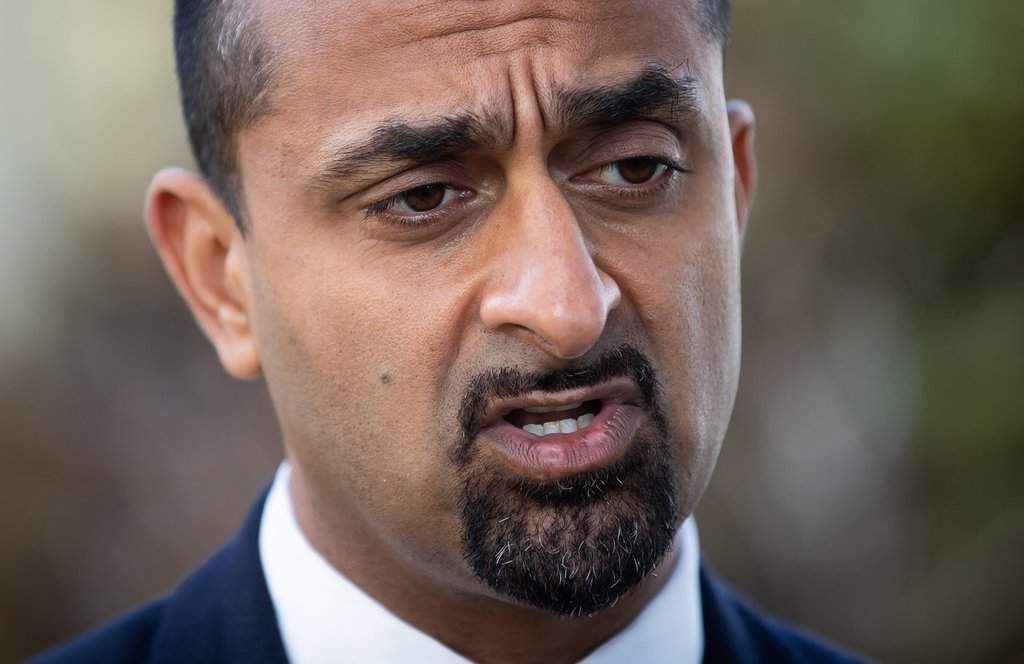
When a third cabinet minister under Premier David Eby announces they will not seek re-election, the headline flashes across news tickers as political calculus. Analysts parse the numbers. Pollsters
The Weight of an Empty Chair
news
The cardboard box sits on the corner of the mahogany desk, its flaps open like a pair of tired wings. Inside, a collection of framed family photographs, a heavy brass paperweight shaped like a leaping salmon, and a stack of dog-eared briefing notes from crises that once felt like the center of the universe.
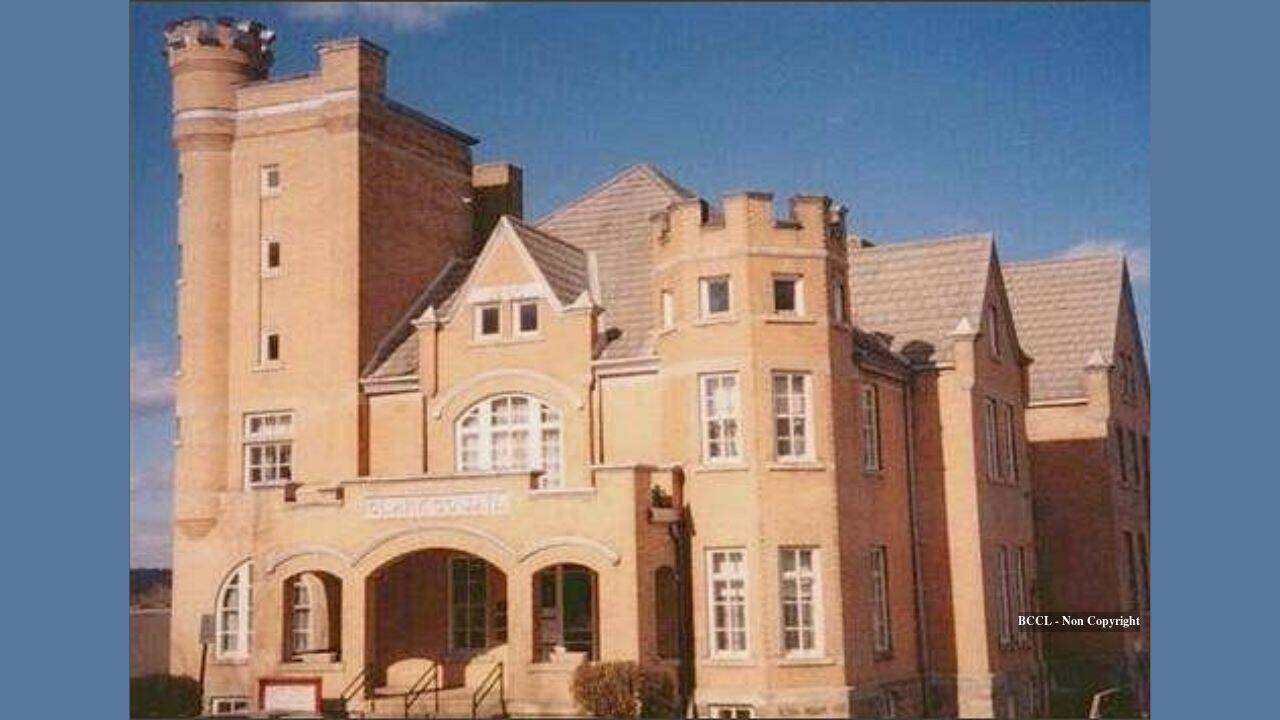
Outside the window, the grey mist of a Victoria morning clings to the heritage stone of the Parliament Buildings. Inside, the room is quiet. Too quiet.
Politics is often discussed in the language of spreadsheets and polls. We talk about seat projections, shifting demographics, and strategic messaging as if governing were an elaborate game of chess played by emotionless entities. But power is physical. It takes up space in a person's chest, compresses their sleep, and alters the way their children look at them across a dinner table. When a politician decides to walk away, the headlines usually focus on what it means for the party in power. They measure the loss in percentages and tactical disadvantages. They rarely talk about the moment a human being looks at the horizon and decides the price of admission has become too high.
Consider what happens when the third cabinet minister in a government decides not to run again.
Underneath the dome in British Columbia, the math is stark. David Eby, a premier who arrived with a reputation for relentless, courtroom-style tenacity, finds his inner circle quietly thinning out. One by one, veteran voices are packing their boxes. It is not a scandal that pushes them out the door. There is no smoking gun, no sudden resignation in disgrace under the glare of flashbulbs. Instead, it is something much harder to quantify: the slow, grinding erosion of endurance.
To understand why seasoned leaders step back, you have to imagine the anatomy of a modern political week. It is a relentless, unrelenting avalanche of demands. Monday morning brings a crisis in healthcare; Monday afternoon requires defending a contentious housing policy; Monday night involves a flight across a jagged, mountainous province to shake hands at a rural chamber of commerce. By Friday, the minister has absorbed a hundred grievances, a thousand digital screams from social media, and the quiet, persistent anxiety of knowing that a single misspoken sentence can undo a decade of public service.
It is a life lived in public crosshairs.
When a minister chooses not to seek re-election, they are making a private calculation about the remaining years of their life. They are looking at the calendar and realizing that their children grew up through the lens of a smartphone camera. They are recognizing that the adrenaline that once fueled 18-hour workdays has been replaced by a heavy, leaden fatigue.
Yet, the political ripple effect is undeniable. In the high-stakes machinery of governance, experience is the ballast that keeps a ship steady in a gale. When veterans leave, institutional memory walks out the door with them. The new faces who step into cabinet must learn to steer while the vessel is already navigating white water. For Eby, whose administration has staked its identity on aggressive, sweeping interventions in housing, public safety, and addictions, every departing minister represents more than an open seat. It represents a lost anchor.
The timing is never accidental, nor is it ever convenient. An election looms on the horizon, a sharp boundary line where public judgment is rendered. To choose not to run into that storm is an admission of limits. It takes a distinct kind of self-awareness to look at a campaign and say, "I have nothing left to give this."
We rarely reward that honesty in public life. We prefer our leaders to be tireless machines, impervious to burnout, immune to the human desire for silence and a quiet evening with a book that has nothing to do with public policy. We demand perfection, and when we get it, we consume it until nothing is left.
The box is taped shut now. The brass salmon goes into a leather briefcase. The desk is cleared down to the wood grain, revealing the faint circular ring where a hundred cups of cold coffee once sat during late-night legislative sessions.
In a few hours, the office will be handed over to someone else. The phone will ring with a different voice on the line, stepping into the same relentless current. But for this brief moment, before the door clicks shut for the final time, there is only the sound of rain against the glass and the profound, weightless silence of a chapter ending.