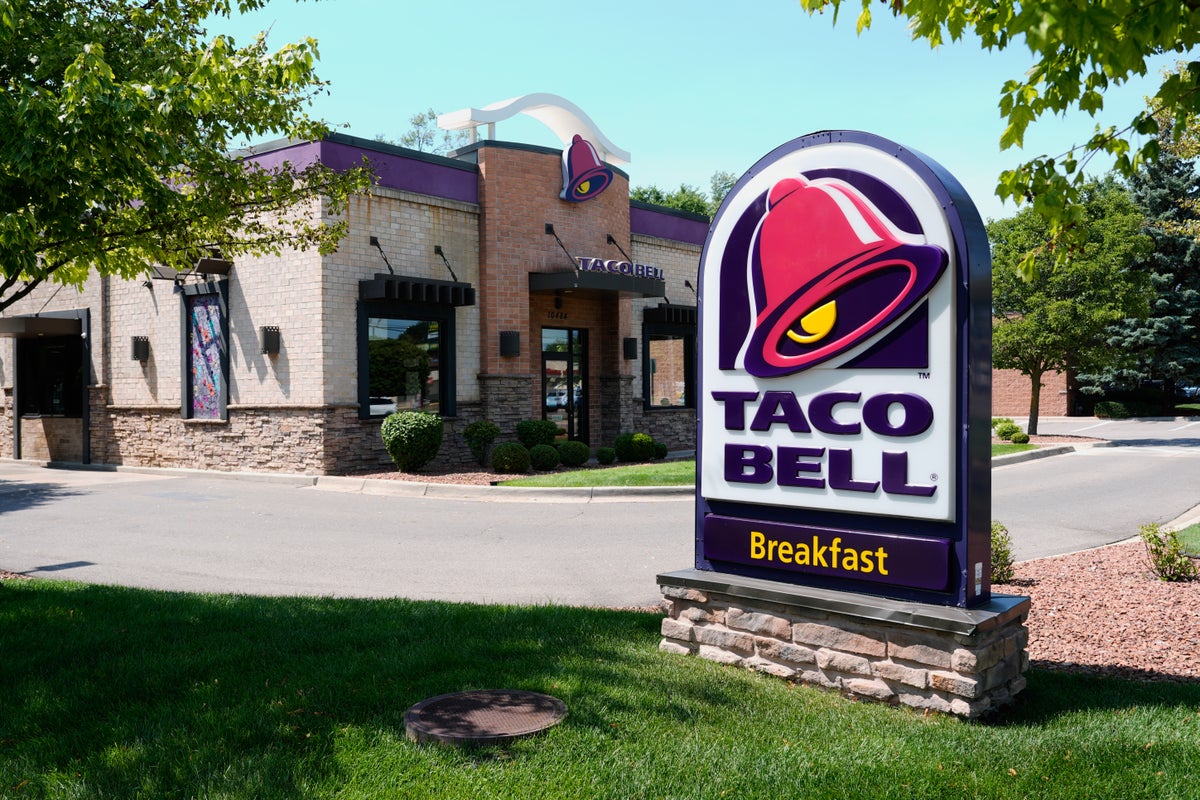
The containment of a biological hazard within a highly optimized, cold-chain distribution network depends entirely on immediate source isolation and aggressive ingredient substitution. The 2026 Cyclospora cayetanensis outbreak, which compromised the operations of over 1,600 confirmed cases across five U.S. states, highlights the acute vulnerability of centralized agricultural sourcing models. When a protozoan parasite infiltrates the supply architecture of an enterprise like Taco Bell, the issue is not merely a localized public health failure. It represents a systemic breakdown of upstream agricultural quality control, downstream traceability metrics, and localized menu asset management.
Sourcing raw agricultural commodities from environments with variable regulatory oversight introduces compounding biological risks. The Centers for Disease Control and Prevention (CDC) and the Food and Drug Administration (FDA) traced the source of this multi-state outbreak to shredded iceberg lettuce imported from Mexico and distributed by Taylor Farms. The primary operational bottleneck occurs because Cyclospora possesses a complex, heat-tolerant lifecycle that defies standard commercial mitigation protocols.
The Three Pillars of Agricultural Biological Risk
To accurately evaluate the scale of this operational failure, the contamination must be viewed through a structural framework consisting of raw water logistics, chemical treatment limitations, and diagnostic delays.
1. Upstream Vector Dynamics
Cyclospora is an obligate intracellular parasite that sheds non-infectious, unsporulated oocysts via human feces into the environment. The primary transmission mechanism into the commercial agricultural pipeline is feces-contaminated irrigation water. In extensive growing operations, a single compromised retention pond or canal system can distribute oocysts across hundreds of acres of low-profile crops simultaneously. Because these oocysts require days to weeks outside a host to sporulate and become infectious, the contamination occurs long before the product crosses an international border or enters a processing plant.
2. Physical and Chemical Processing Vulnerabilities
The mechanical morphology of shredded iceberg lettuce maximizes surface area exposure while introducing thousands of physical micro-crevices. Commercial processing facilities rely on chlorinated wash cycles to sanitize raw produce. However, Cyclospora oocysts exhibit a highly durable, multi-layered chemical structure that renders standard commercial chlorine rinses and organic sanitizers ineffective. The parasite physically adheres to the ridges, folds, and cut edges of the leaf. Because thermal processing (heating produce to at least 158°F / 70°C) is the only definitive method to neutralize the pathogen, a raw QSR (Quick Service Restaurant) ingredient like shredded lettuce represents an unmitigated vector.
3. Diagnostic Asymmetry and Reporting Lags
The true operational impact of a foodborne outbreak is perpetually masked by an epidemiological latency curve.
- The incubation period of the parasite ranges from 2 to 14 days.
- Standard clinical stool cultures and routine multi-pathogen PCR panels utilized by healthcare providers routinely omit Cyclospora screening unless specifically requested.
- Laboratory identification relies on specialized acid-fast staining or targeted ultraviolet fluorescence microscopy.
This creates a systemic information asymmetry: by the time a critical mass of lab-confirmed cases is logged by state health departments—such as the massive cluster concentrated in Michigan—the contaminated product has already spent weeks in active distribution and consumer consumption cycles.
The Cost Function of Contamination Mitigations
Faced with escalating data from federal investigators, Taco Bell executed an immediate menu intervention, purging shredded iceberg lettuce across affected regions and initiating an indefinite national supply chain decoupling from the implicated Mexican processing facilities. The financial and operational trade-offs of this decision conform to a rigid economic matrix.
Total Loss = C_sc + C_inv + C_sub + C_rev
Where:
- $C_{sc}$ (Supply Chain Disruption Costs): The overhead required to physically execute emergency product extractions across regional distribution hubs in Indiana, Kentucky, Michigan, Ohio, and West Virginia. This includes write-offs of in-transit freight and the immediate disposal of cross-contaminated sub-ingredients.
- $C_{inv}$ (Inventory Write-downs): The absolute loss of all localized inventory of correlated menu components. Store-level notices in select metropolitan areas indicated a broad-spectrum preventative recall encompassing not just lettuce, but adjacent high-risk raw items like cilantro, onions, pico de gallo, and guacamole.
- $C_{sub}$ (Substitution Premium): The capital expense of identifying, vetting, and onboarding alternative regional agricultural suppliers within a strict 24-hour operational window. Emergency spot-market procurement of raw produce carries a heavy premium over long-term contracted volume pricing.
- $C_{rev}$ (Revenue Elasticity and Brand Erosion): The immediate reduction in average transaction size caused by the unavailability of core menu items, compounded by consumer avoidance behavior driven by highly descriptive public health warnings detailing severe gastrointestinal distress.
The secondary limitation of this strategy is the geographic spillover effect. Because major agricultural aggregators like Taylor Farms distribute co-mingled lots of processed leafy greens to multiple retail, commercial, and institutional networks, the contamination footprint inevitably expands beyond the initial franchise brand. This induces systemic industry-wide friction, as competing brands are forced to audit identical supply nodes.
Structural Supply Chain Recommendations
Mitigating the recurring threat of imported parasitic outbreaks requires a transition away from reactive supplier decoupling toward programmatic hazard barriers. The following structural plays must be implemented by enterprise-scale foodservice operators:
- Implement Mandatory Batch-Level PCR Testing at Point-of-Origin Consolidation Hubs: Rather than relying on historical traceback data, operators must require third-party verification hubs to run target-specific Cyclospora assays on agricultural wash water inputs prior to packaging and international shipping.
- Geographic Sourcing Diversification and Decentralization: High-volume enterprises must eliminate single-source supplier dependencies for critical raw agricultural commodities. Splitting the baseline regional volume across geographically distinct biomes reduces the probability that a localized environmental contamination event will trigger an aggregate national menu failure.
- Transition to Controlled Environment Agriculture (CEA): For high-risk, low-profile raw crops like leafy greens and cilantro, procurement lines must systematically transition toward indoor hydroponic or vertical farming networks. By completely isolating the growth substrate from open-air irrigation runoff and avian/mammalian fecal vectors, the biological risk profile drops to near zero.
Enterprise logistics managers must rebalance their procurement matrices, weighting biological resilience and clear asset tracking equal to raw per-unit cost efficiency. The financial consequences of reactive supply chain stabilization during an active public health crisis far outweigh the upfront capital required to enforce total upstream transparency.