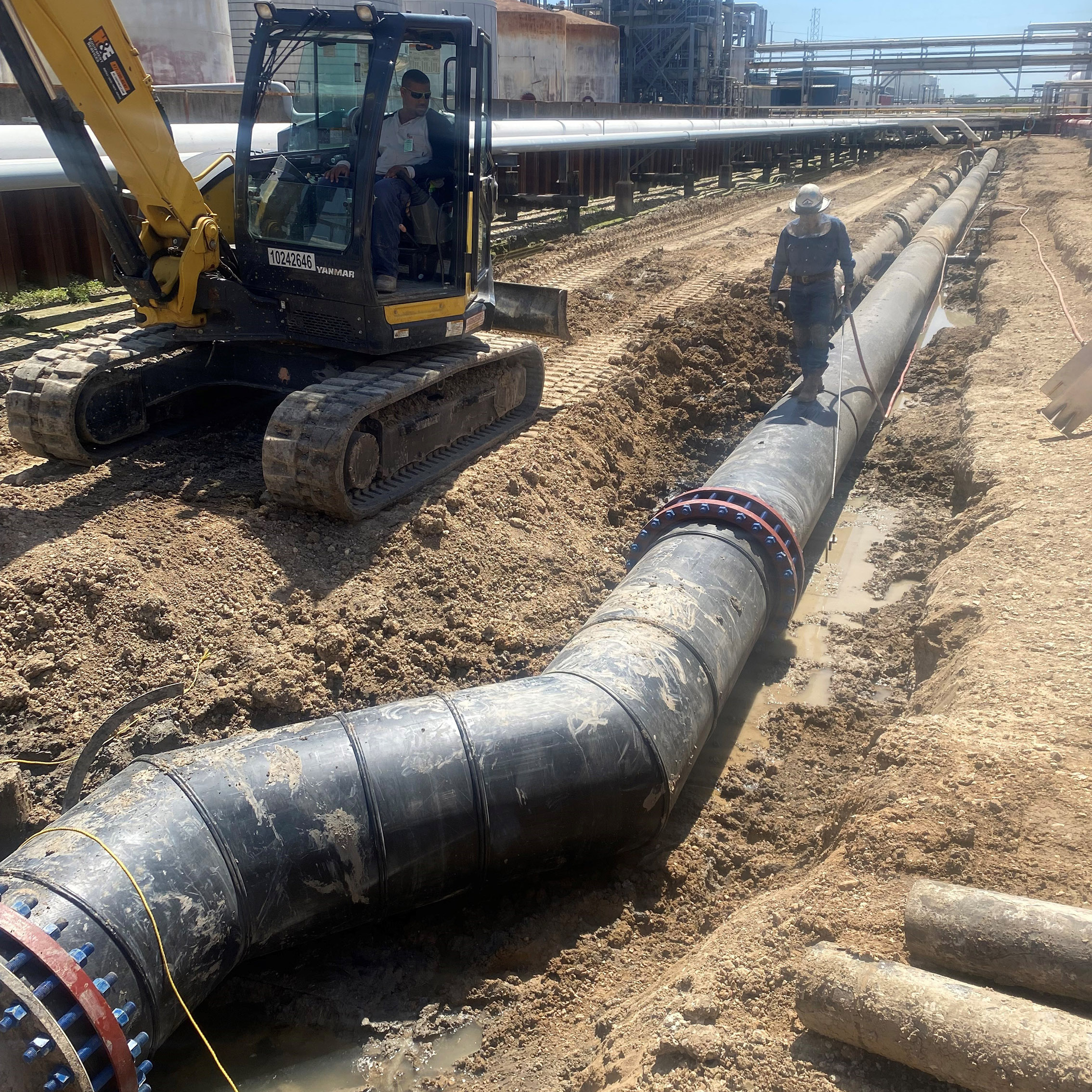
Public infrastructure failures rarely produce clean narratives, but the criminalization of structural defects creates an instructive case study in institutional feedback loops. When a multi-million-dollar renovation project deteriorates immediately following execution, governance frameworks face a critical choice between objective technical root-cause analysis and narrative deflection. The prosecution and subsequent dismissal of charges against individuals accused of vandalizing the Lincoln Memorial Reflecting Pool expose the systemic friction points that occur when political imperatives collide with material realities.
The Mechanics of State Attribution and the Substitution of Vandalism for Variance
When physical assets degrade outside expected tolerances, diagnostic integrity requires a strict hierarchy of inquiry. The initial hypothesis pursued by federal stakeholders assumed that localized material displacement resulted from malicious human intervention.
- The Attribution Error: Stakeholders observed physical peeling within the newly installed polymer pool liner and attributed the anomaly to external agency rather than internal material stress.
- The Speed Constraint: The renovation timeline was compressed to meet fixed calendar deadlines associated with national anniversary celebrations, inducing a high-risk operational environment.
- The Information Asymmetry: Key interior documentation regarding installation failures remained siloed within specific federal departments until after grand jury indictments were secured.
The operational breakdown occurred because the investigative apparatus conflated structural wear-and-tear with criminal destruction. By bypassing standard engineering audits, the justice apparatus bypassed the baseline null hypothesis: that the physical asset simply failed under standard hydraulic and environmental loads due to installation shortcuts.
The Cost Function of Rushed Project Execution
Project management literature dictates an inverse relationship between schedule compression and asset longevity. When capital projects face artificial completion deadlines, the risk function shifts exponentially upward.
$$Risk = \frac{Schedule Pressure \times Scope}{Quality Controls}$$
In the case of the reflecting pool overhaul, the imperative to finalize the aesthetic transformation before major public events created an environment ripe for execution errors. Contractors operating under accelerated windows frequently encounter adhesive curing failures, improper surface preparation, and inadequate quality assurance checks.
When these latent defects manifest as peeling liners, the resulting physical evidence mimics the appearance of tearing or intentional damage. Observers without technical training can easily misinterpret structural delamination as mechanical pulling. The legal framework, unfortunately, mobilized around this superficial resemblance before material science data could be integrated into the prosecutorial calculus.
Institutional Feedback Loops and Prosecutorial Correction
The abrupt pivot by the Department of Justice—moving to dismiss felony charges after discovering internal documentation from the Department of the Interior—demonstrates the corrective capacity of judicial scrutiny, albeit after significant reputational and procedural costs.
- The Discovery Phase: Independent judicial oversight forced the production of installation logs and contractor communications that had not been factored into the original charging documents.
- The Evidentiary Threshold: Prosecutors realized that establishing guilt beyond a reasonable doubt became mathematically impossible once the primary material evidence pointed to contractor liability rather than civil disobedience.
- The Administrative Friction: Public disputes between executive leadership and prosecutorial offices highlight the structural tension that occurs when political attribution clashes with evidentiary standards.
The dismissal without prejudice did not merely resolve a single court docket; it exposed the vulnerability of legal systems when they rely on surface-level visual assessments rather than forensic validation.
Strategic Risk Mitigation for Public Infrastructure Assets
To prevent future recurrences of high-profile legal missteps stemming from infrastructure maintenance, administrative bodies must decouple asset failure forensics from political accountability metrics.
- Mandatory Technical Audits: Before any criminal charge of property destruction is leveled against private citizens in public spaces, a certified independent engineering firm must issue a binding material failure report.
- Cross-Departmental Data Synchronization: Investigative agencies must mandate the real-time sharing of contractor installation logs to eliminate informational gaps between project managers and law enforcement.
- Threshold-Based Triage: Establish clear quantitative parameters for material damage assessment, ensuring that peeling, cracking, or settling defaults to civil warranty claims rather than criminal indictments.
The trajectory of this case establishes a definitive precedent for administrative accountability. When governance systems prioritize rapid aesthetic delivery over rigorous physical engineering, the subsequent fallout cannot be successfully outsourced to the criminal justice system without catastrophic institutional friction. Future resilience depends entirely on honoring material facts over expedited narratives.