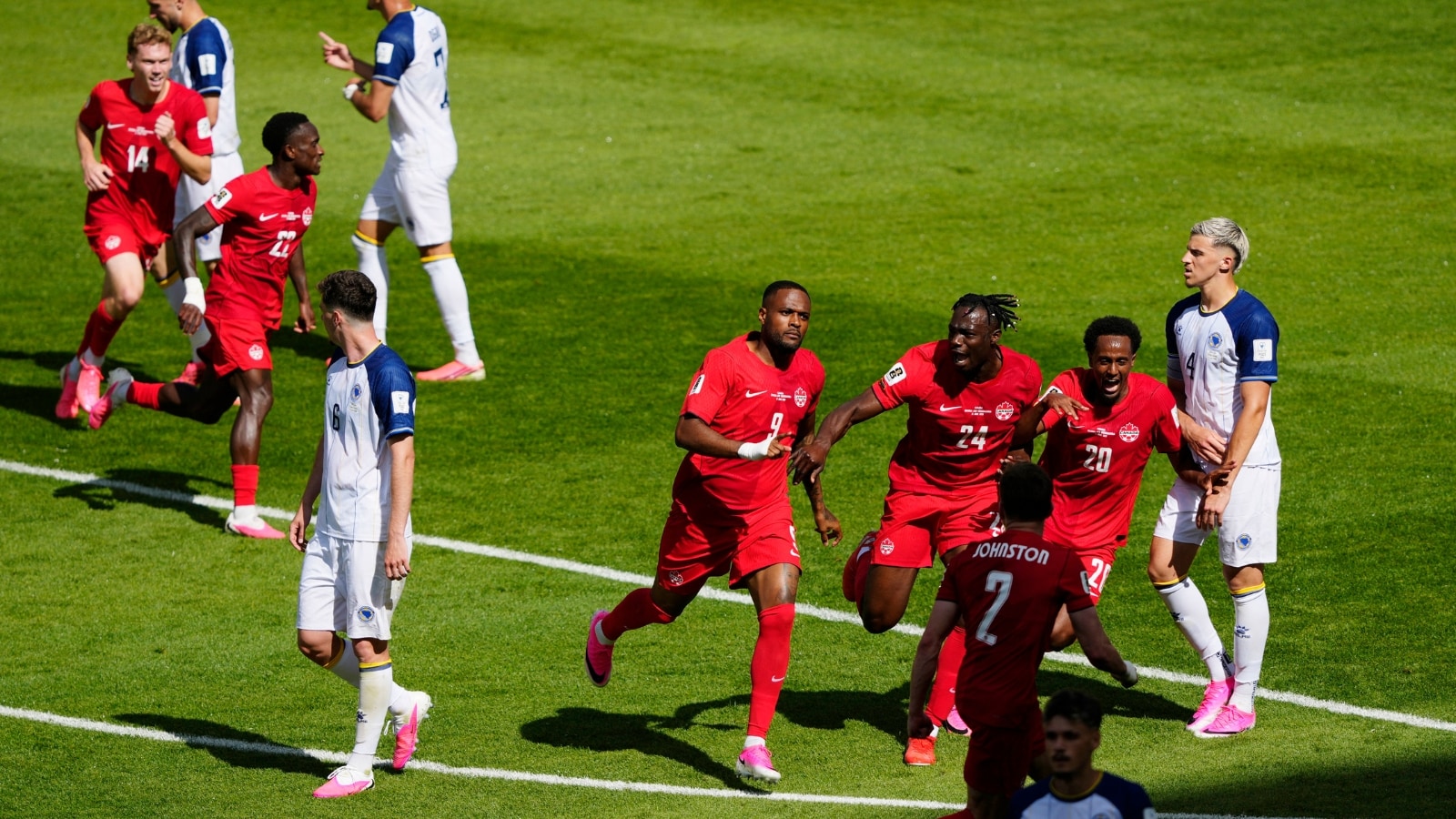
Mass civic gatherings for major sporting events operate on a highly predictable trade-off framework. The current layout of FIFA World Cup watch parties across Metro Vancouver reveals distinct operational strategies designed to balance venue capacity, transit friction, and viewer density. When evaluating where to consume matches across the Lower Mainland, understanding the structural mechanics of these venues is far more valuable than simply viewing a basic directory.
Selecting an optimal viewing space depends entirely on the trade-offs between three core variables:
- Throughput Friction: The time and logistical difficulty required to enter and exit a site.
- Audio-Visual Fidelity: The physical dimensions of the broadcast display and the synchronized sound system infrastructure.
- Density Metrics: The average square meters allocated per attendee, which directly influences ambient noise and line-of-sight clarity.
The Tier-1 Central Hub Strategy: High Fidelity vs. Extreme Friction
The most resource-intensive venues feature designated official partnerships, massive physical footprints, and high technical production values. However, these spaces introduce severe logistical bottlenecks that require deliberate planning to navigate.
The FIFA Fan Festival at Hastings Park
Operating as the primary institutional site within the PNE Grounds, this venue leverages a large-scale physical footprint to run across the entire 28-day tournament window.
- The Mechanism: The venue relies on a hybrid monetization model. While general admission is structurally free, premium reserved seating is segmented within the new PNE Amphitheatre beneath its free-span timber roof. This separation creates a distinct operational divergence: free areas experience elastic queues and high density, while ticketed spaces guarantee consistent lines of sight.
- Operational Bottleneck: The site introduces intense transit and entry friction. Lines regularly form early along Renfrew Street, meaning access requires significant pre-kickoff lead times. This location lacks direct high-capacity rail infrastructure adjacent to the gates, shifting the transit burden entirely onto regional bus networks and vehicle parking, which increases exit delays during high-profile matches.
Canada Soccer House at The Shipyards
Located at 125 Victory Ship Way in North Vancouver, this site shifts the viewing experience away from inland fairgrounds toward an open-air, waterfront environment.
- The Mechanism: Organized in partnership with major corporate entities, this venue acts as the official activation space for the domestic national team. By concentrating specialized programming around high-leverage match days, the site guarantees high crowd energy during home-nation appearances.
- Operational Bottleneck: The venue relies completely on the SeaBus transit corridor for attendees arriving from south of the Burrard Inlet. This creates a predictable physical capacity constraint at the Lonsdale Quay terminal immediately following the final whistle, forcing a metered egress pattern for departing crowds.
The Municipal Decentralization Framework: Minimizing Travel Friction
To alleviate pressure on downtown infrastructures, secondary municipalities have deployed regional viewing spaces. These sites operate on a low-friction, high-accessibility model, trading hyper-scale screens for hyper-local convenience.
The South-of-Fraser Distribution Network: Surrey Civic Plaza
Surrey distributed its viewing footprint across three primary coordinates: Surrey Civic Plaza, the Cloverdale Agriplex, and South Surrey Athletic Park.
- The Mechanism: By using a distributed model, Surrey matches regional demographics with specific venue types. The Civic Plaza venue functions as a transit-oriented hub linked directly to the SkyTrain network, reducing vehicle dependency. Conversely, the Cloverdale Agriplex and South Surrey Athletic Park function as low-density options designed for driving access, with activations scaling up exclusively for the later knockout stages.
The Distributed Suburban Perimeter
Municipalities outside the urban core utilize local park infrastructure to capture localized demand.
- Burnaby (The Amazing Brentwood): Utilizes a private-public commercial hybrid model at Brentwood Plaza and the TABLES Lounge. This design allows attendees to move seamlessly between outdoor plazas and indoor climate-controlled spaces. However, operations face strict regulatory constraints; local city bylaws dictate that matches kicking off or extending past 9:00 PM cannot be broadcast on outdoor screens.
- Coquitlam and Tri-Cities: Blue Mountain Park, Town Centre Park, and Percy Perry Stadium operate on a highly intermittent schedule rather than a continuous daily broadcast model. This intentional scheduling matches specific high-value dates, such as Canada Day, to optimize municipal staffing resources.
- The Perimeter Pop-Ups: Locations including Ladner Village Pop-Up Park in Delta, Memorial Peace Park in Maple Ridge, and the Civic Plaza in Langley represent the absolute minimum friction tier. These setups rely on existing public plazas to offer rapid entry and exit, though they provide smaller screen sizes and basic audio setups.
The Private Micro-Venue Model: High Density and Commercial Optimization
Viewers looking for guaranteed sound and fixed seating arrangements generally turn to localized commercial zones. This commercial ecosystem splits into two distinct operational formats.
[Commercial Watch Zones]
       │
       ├──► Open-Air Shared Plazas (e.g., Yaletown Helmcken Plaza)
       │     └── High spatial flexibility, weather-dependent, distributed food costs.
       │
       └──► Dedicated Indoor/Outdoor Enclosures (e.g., Granville Island, Downtown Pubs)
             └── Fixed cover fees, high audio-visual fidelity, strict capacity ceilings.
Open-Air Shared Plazas
The Yaletown model at Helmcken Plaza and Hamilton Street represents a collaborative commercial approach. Multiple competing hospitality brands pool outdoor patio footprints to create a shared viewing area. This strategy maximizes total seating capacity while distributing the operational overhead of the event across multiple independent kitchens and bars.
Dedicated Indoor and Outdoor Enclosures
Venues like the Granville Island lot (situated behind Granville Island Brewing) and central downtown establishments like Library Square Pub use access fees to control crowd density.
- Granville Island: Deploys a 24-foot screen with a hard cap of 1,000 outdoor seats. To mitigate the severe parking constraints of the island, the site relies heavily on a dedicated bike valet system to maintain steady crowd rotation.
- Commercial Pubs: Establishments charge entry fees ranging from $20 to $30 for premium matches. This fee guarantees a seat and clear line-of-sight audio, completely eliminating the entry uncertainty found at massive public festivals.
Strategic Selection Matrix
To select the most efficient viewing location, attendees should use the following structural criteria rather than choosing a venue at random.
- Choose Public Mega-Fests (Hastings Park) if maximizing collective crowd noise and viewing the largest possible broadcast displays are your primary requirements, and you can comfortably afford a 90-minute buffer for entry and transit queues.
- Choose Municipal Hubs (Surrey Civic Plaza, The Shipyards) if you want a strong community atmosphere but require a direct connection to rapid transit lines to avoid post-game traffic jams.
- Choose Commercial Shared Spaces (Yaletown, Private Pubs) if guaranteed seating, immediate access to dedicated food and beverage infrastructure, and clear, unobstructed audio-visual delivery are required.
The geographic spread of Metro Vancouver's viewing infrastructure ensures that transit proximity, rather than event programming, serves as the primary differentiator for the attendee experience. Selecting a venue based on its transit connectivity and entry mechanics remains the most effective way to optimize match-day logistics.