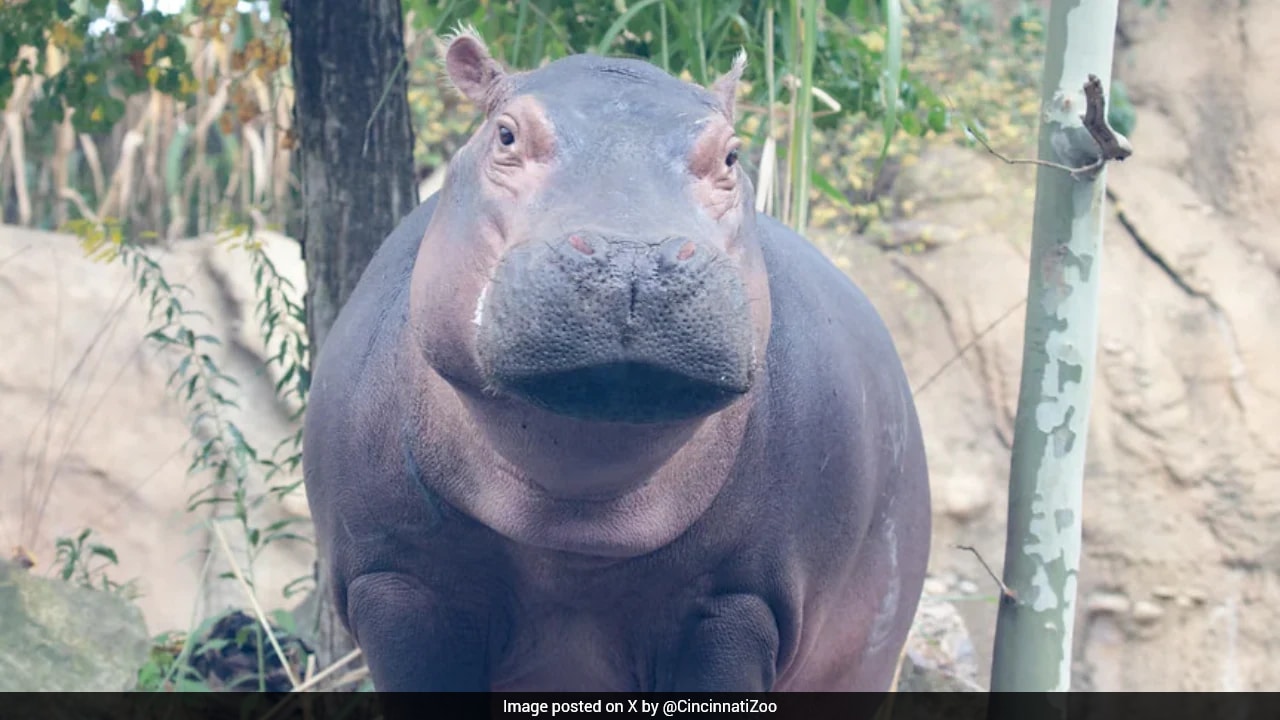
Viral misinformation claiming the death of Fiona—the famous premature Nile hippopotamus at the Cincinnati Zoo & Botanical Garden—from ingesting a visitor’s hat is a textbook case of algorithmic sensationalism exploiting public anxiety over captive wildlife management. No such event occurred; Fiona remains alive and under continuous veterinary monitoring, and the headline originates from clickbait aggregation networks designed to monetize emotional shock. Deconstructing this fabrication requires separating viral media mechanics from the actual biological, architectural, and operational protocols governing foreign-body ingestion in mega-herbivores.
The Mechanics of Viral Zoological Hoaxes
Sensationalist headlines involving high-profile animal ambassadors follow a predictable information cascade. Clickbait farms identify an entity with massive parasocial equity—in this case, Fiona, whose premature birth in 2017 generated global media coverage—and pair that entity with a plausible-sounding operational failure, such as a visitor dropping an object into an enclosure.
The cognitive trigger relies on availability heuristic bias. Because zoo visitors occasionally breach barriers or drop personal items into habitats, audiences immediately accept the premise without verifying primary institutional channels. The fabricated narrative exploits three specific vulnerabilities in digital media consumption:
- Emotional High-Jacking: High-empathy subjects bypass analytical scrutiny, prompting immediate social sharing before fact-checking occurs.
- Institutional Lag: Accredited zoos operate on strict veterinary and public relations verification protocols, creating a brief information vacuum that bad-faith publishers exploit before an official rebuttal circulates.
- Plausible Mechanism: Foreign-object ingestion is a documented risk in zoological medicine, lending unearned credibility to an otherwise fabricated incident.
Physiological Realities of Foreign-Body Ingestion in Hippopotamuses
To understand why the "visitor hat" premise fails under veterinary scrutiny, one must examine the digestive anatomy of Hippopotamus amphibius. Unlike true ruminants, hippos are pseudoruminants with a complex, four-chambered stomach designed to ferment massive quantities of tough, fibrous grasses through microbial action rather than mechanical rumination.
Gastrointestinal Transit and Obstruction Risks
A mature Nile hippopotamus consumes roughly 80 to 100 pounds of forage daily, processing material through a slow-moving gastrointestinal tract adapted for low-nutrient bulk. When non-digestible foreign matter enters this system, outcomes depend entirely on material composition, volume, and geometry:
- Natural Cellulosic Fibers (Cotton, Straw): Unbleached, untreated plant fibers break down partially under prolonged microbial fermentation in the foregut, though dense weaves or synthetic stitching resist degradation.
- Synthetic Polymers and Plastics (Polyester, Nylon, Foam): Petroleum-derived materials are completely indigestible. They risk creating a mechanical ileus—a physical blockage at narrow anatomical junctions such as the pyloric sphincter or the ileocecal valve.
- Rigid Hardware (Metal Clasps, Plastic Adjusters): Hard components pose acute risks of mucosal ulceration or gastrointestinal perforation during peristalsis.
In accredited zoological facilities, foreign-body ingestion rarely causes instantaneous fatality. Acute death from eating a single soft object contradicts basic veterinary pathology; obstruction typically manifests over days or weeks through lethargy, anorexia, reduced fecal output, and abdominal distension, providing keepers with a wide diagnostic window for intervention.
Architectural and Operational Containment Systems
Modern zoological habitat design operates on a defense-in-depth framework engineered specifically to prevent guest-to-animal cross-contamination. Facilities accredited by the Association of Zoos and Aquariums (AZA) do not rely on visitor compliance alone; they assume human error and design physical barriers to neutralize it.
Primary and Secondary Barrier Geometry
Enclosure perimeters are calculated using anthropometric reach data and projectile trajectories. At Hippo Cove in Cincinnati, containment relies on three overlapping layers:
- Standoff Buffers: Deep planter beds, rockwork, and elevated railings establish a horizontal dead zone between the public walkway and the water's edge, ensuring accidentally dropped items fall into non-accessible buffer zones rather than the primary basin.
- Laminated Safety Glass: Underwater viewing panels utilize multi-ply tempered glass engineered to withstand high-velocity impacts from a 3,000-pound animal while maintaining a continuous vertical seal that prevents items from slipping into the pool.
- Hydrodynamic Filtration Skimmers: Aquatic habitats circulate hundreds of thousands of gallons of water through high-capacity surface skimmers and mechanical sand filters. Any buoyant debris—including hats, sunglasses, or wrappers—is drawn toward intake grates before an animal can investigate or ingest it.
Keeper Surveillance and Behavioral Conditioning
Physical architecture is reinforced by continuous human monitoring and operant conditioning. Keepers maintain visual sweeps of the habitat prior to animal release and throughout peak visitor hours. Crucially, captive hippos undergo desensitization and target training using positive reinforcement.
If a foreign object enters an enclosure, keepers execute a recall protocol, using acoustic or visual cues to move the animal into a holding chute while staff retrieve the debris. Hippos are also trained to open their mouths voluntarily on command for routine oral inspections, allowing veterinary teams to extract non-swallowed objects without chemical immobilization.
Veterinary Intervention Protocols for Suspected Ingestion
When a captive mega-herbivore actually ingests a foreign object, zoological medical teams execute a tiered clinical response based on risk stratification rather than guesswork.
Tier 1: Non-Invasive Monitoring and Lubrication
If the ingested item is small, pliable, and lacks sharp edges, clinicians prioritize gastrointestinal transit acceleration. Keepers administer high-bulk forage alongside mineral oil or psyllium-based laxatives to coat the object and stimulate peristalsis. Every fecal bolus is collected and sifted by husbandry staff until the intact item is recovered and matched against visitor descriptions.
Tier 2: Endoscopic Retrieval
For objects stalled in the esophagus or upper gastric chambers, veterinarians utilize large-animal video endoscopes. Because hippopotamuses possess massive cervical musculature and a thick dermis, general anesthesia carries significant cardiopulmonary risks—including respiratory depression and fatal hyperthermia. Consequently, teams attempt standing sedation combined with local pharyngeal blocks whenever possible, passing flexible retrieval snares through a bite block to extract the foreign body orally.
Tier 3: Surgical Laparotomy (Last Resort)
Abdominal surgery in an adult hippopotamus represents an extreme clinical hazard. The sheer weight of the viscera compresses the diaphragm when the animal is placed in dorsal or lateral recumbency, while closing a multi-layered abdominal incision against immense internal pressure risks catastrophic wound dehiscence. Surgical intervention is reserved exclusively for confirmed, life-threatening perforations or complete intestinal obstructions unresponsive to medical management.
Verification Framework for Zoological Incident Reporting
Media consumers and analysts evaluating claims of captive wildlife fatalities must apply strict verification filters before accepting third-party narratives. Clickbait ecosystems thrive because readers confuse viral velocity with institutional confirmation.
To validate any report involving an accredited zoo, cross-reference three authoritative sources:
- Direct Institutional Feeds: Accredited facilities issue immediate, transparent press releases through verified official domains and primary social channels following any significant medical event or animal mortality.
- AZA Accreditation Registries: Confirm whether the named facility holds active AZA accreditation, which mandates strict necropsy reporting and transparency standards.
- Local Wire Services: Major metropolitan outlets maintain direct press-office contacts with local zoological institutions and verify incidents within hours through on-the-record statements from veterinary directors.
Until an incident appears across primary institutional channels, any headline claiming the sudden, preventable death of a flagship animal ambassador should be classified as unverified noise engineered strictly for ad-revenue extraction.


