The mid-June Memorandum of Understanding (MOU) between the United States and Iran has collapsed less than a month into its 60-day negotiation window, reverting the bilateral relationship to active kinetic warfare. While political commentary focuses on rhetorical volatility, the failure of the interim peace deal is structurally rooted in an irreconcilable chokepoint jurisdiction dilemma and the mismatch between asymmetric tactics and conventional deterrence frameworks.
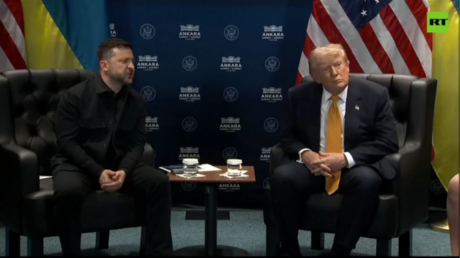
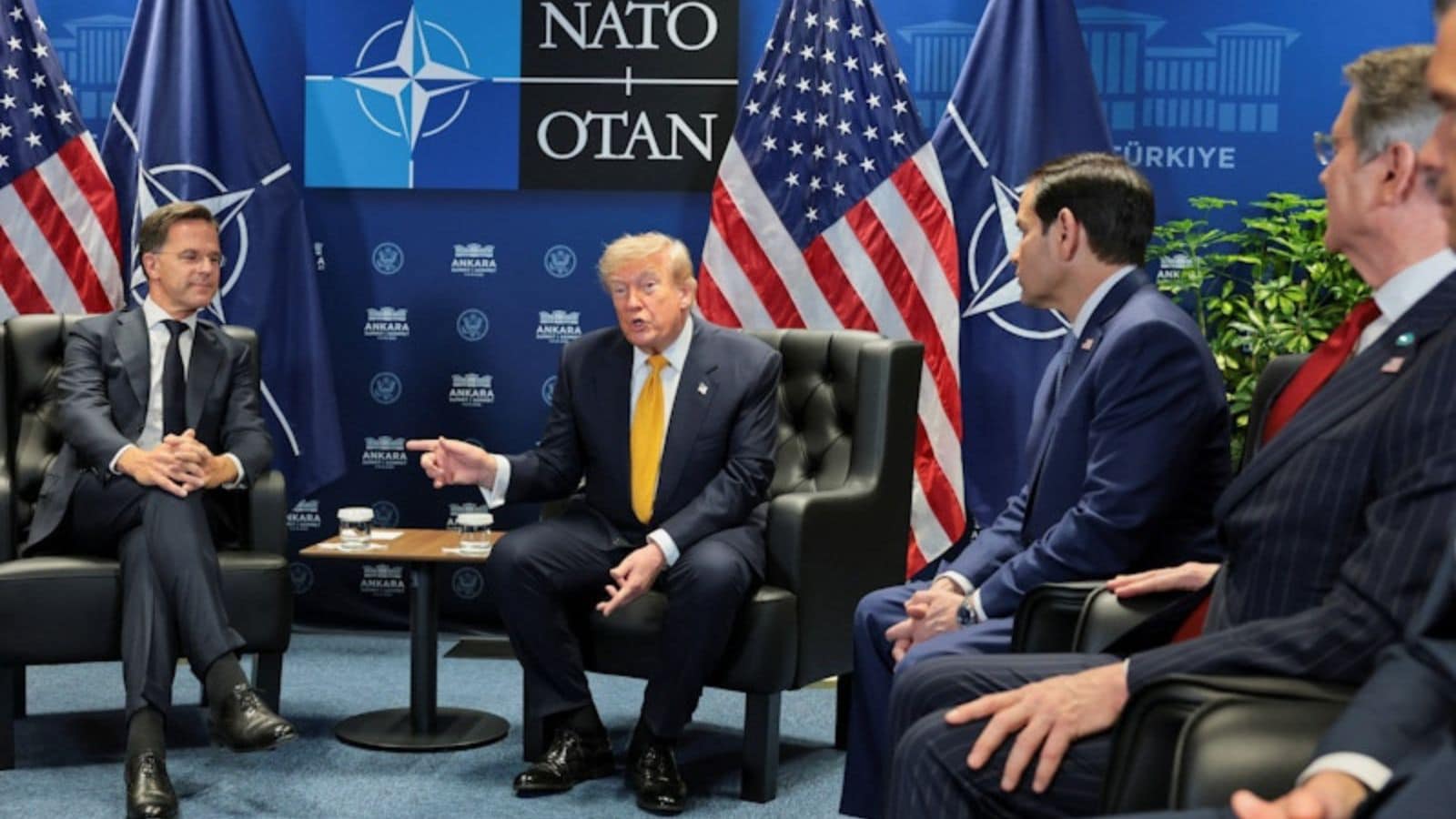
The breakdown crystallized at the NATO summit in Ankara following an intense sequence of maritime actions and retaliatory airstrikes. Centered on control over the Strait of Hormuz—a transit corridor managing roughly 20 percent of global energy flows—the rapid dissolution of the truce demonstrates the instability of interim diplomatic instruments when underlying strategic variables remain unhedged.
The Structural Flaw: Clause Five and Chokepoint Jurisdiction
The primary catalyst for the diplomatic breakdown is an operational mismatch in the interpretation of the MOU's text, specifically regarding maritime security.
- The Iranian Position: Tehran interpreted Clause Five of the memorandum as a formal recognition of its sovereignty over the regulatory architecture of the Strait of Hormuz. In this framework, all commercial shipping transiting the waterway must coordinate routes and obtain clearances from Iranian naval forces.
- The United States Position: Washington viewed the agreement as a return to international freedom of navigation standards. The US asserted that commercial vessels have the right to unimpeded transit through international sea lanes without seeking operational approval from Tehran.
This structural friction produced an immediate operational bottleneck. When commercial tankers—including the vessel Al-Rekayyat and a Qatari LNG carrier—altered their transit vectors to track closer to the Omani coast to bypass Iranian monitoring, Tehran viewed the shift as a violation of the newly established regulatory framework. Iran reacted by targeting three commercial vessels using localized missile and rocket systems.
The immediate economic impact materialized in global commodity markets, where oil prices gained more than 3 percent within hours of the breakdown. This reaction highlights how sensitive global logistics supply chains remain to jurisdiction disputes over strategic waterways.
The Asymmetric Escalate-to-De-escalate Cycle
The collapse of the ceasefire follows an operational script defined by asymmetric escalation. The strategic sequence reveals a clear cause-and-effect loop that rendered diplomatic channels ineffective.
[Clause 5 Ambiguity] -> [Ships Divert to Omani Coast] -> [Iran Strikes 3 Commercial Tankers]
                                                                        |
[Iran Counter-Strikes US Bases / Proxies] <- [US Airstrikes: 80 Targets] <-
- The Tactical Trigger: During a temporary operational pause intended to accommodate the funeral processions for Iran’s former Supreme Leader Ayatollah Ali Khamenei, Iranian forces deployed rocket systems against regional commercial hulls.
- The Kinetic Response: The United States Central Command (CENTCOM) executed a broad wave of kinetic strikes targeting over 80 military installations in Iran. This operation prioritized surveillance infrastructure, active missile launch sites, and naval port facilities across Bandar Abbas, Sirik, and Qeshm Island. Concurrently, Washington reimposed maritime blockades on Iranian energy exports, reversing the primary economic concession granted under the MOU.
- The Symmetric Retaliation: Iran responded by launching short-range ballistic missiles and drone swarms directed at US military installations in Kuwait and Bahrain, the latter serving as the headquarters for the US Navy’s Fifth Fleet.
This friction reveals the limits of the US strategic deterrence model in this conflict. The White House applied a conventional cost-imposition strategy—destroying naval and radar assets to deter future actions. However, Iran operates on an asymmetric model that leverages its geographic proximity to a global shipping bottleneck. For Tehran, the long-term strategic benefit of demonstrating regulatory dominance over the Strait of Hormuz outweighs the short-term tactical losses suffered from airstrikes on its infrastructure.
Credibility Deficits and the Cost of Personalization
The diplomatic track stalled because neither side could establish a credible commitment framework. A core requirement of any interim bilateral agreement is the belief that the opposing party will absorb short-term political costs to secure long-term strategic stability.
This dynamic dissolved due to deep institutional distrust. From the American executive perspective, Iran’s decision to execute maritime strikes during a period earmarked for diplomatic pause signaled a complete lack of centralized command compliance or a deliberate strategy of deception. Conversely, from the Iranian diplomatic perspective, the rapid re-imposition of port blockades and unilateral adjustments to maritime corridors indicated that Washington would not tolerate any expansion of Iranian regional influence.
The personalization of the conflict further complicates the path to de-escalation. Direct threats against leadership structures—exemplified by targeted operations earlier in the conflict and subsequent intelligence indicating active hit lists targeting high-ranking US officials—have shifted the negotiation from a standard geopolitical dispute to a high-stakes security issue. When security dynamics become personal, negotiators lose the domestic political flexibility required to offer concessions, locking both nations into a escalatory spiral.
The Strategic Play
Diplomatic options have expired, and tactical maneuvers will now dictate the terms of conflict management. The United States must prepare for immediate operational contingencies.
First, naval forces must establish a convoy system for all commercial shipping transiting the Strait of Hormuz. Because minor tit-for-tat strikes have proven ineffective at deterring asymmetric actions, the US must shift from punitive deterrence to active denial. This involves embedding air-defense and electronic-warfare assets within commercial shipping formations to neutralize threats in real time.
Second, the US military must prepare for targeted operations against Kharg Island and western Iranian port facilities. If Iran attempts to counter blockades by dropping sea mines into international shipping lanes, Washington must be ready to neutralize Iran's primary energy export hubs. This action would permanently degrade Tehran's fiscal capacity to fund regional operations, prioritizing economic isolation over protracted ground conflicts.
The primary risk of this approach is a broader regional escalation that could draw in neighboring states and disrupt global energy supplies for an extended period. However, given the structural flaws of Clause Five and the collapse of the interim agreement, establishing a secure maritime perimeter through decisive naval action is the only viable path to containing the conflict.