The quiet hum of a university office at midnight sounds less like a sanctuary of thought and more like a waiting room for an explosion.
Papers are stacked. Screens cast a blue, restless glow against brick walls. Somewhere down the hall, a floorboard creaks under a hurried step. Outside, the world sleeps, entirely unaware that a digital match is about to be struck.
We live in an era where paper trails do not fade into yellowed archives; they are digitized, indexed, weaponized, and thrown into the furnace of public opinion before the morning coffee has even brewed.
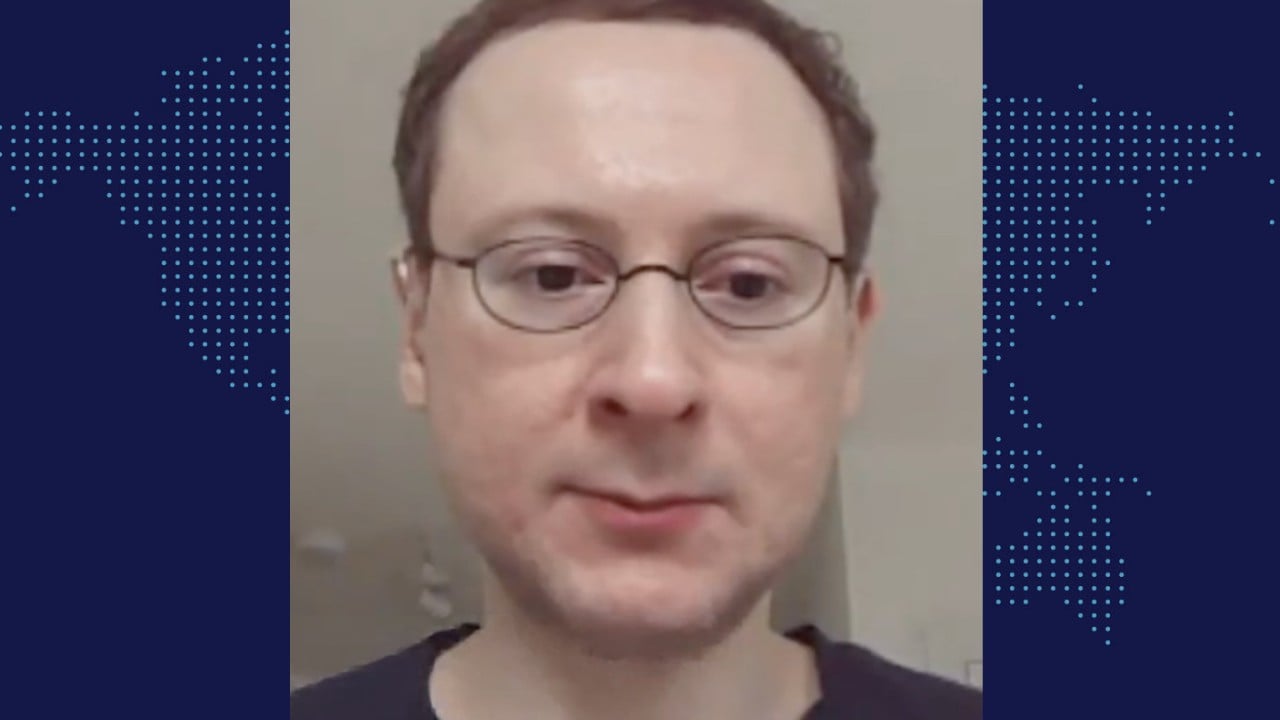
Nathan Cofnas learned this lesson not from behind a podium, but from the raw, unsparing mechanics of the internet.
To understand how an academic finds himself suspended, stripped of his daily routine, and thrust into the blinding spotlight of global controversy, we have to look past the dry university press releases. We have to look at the machinery of modern accusation.
The Anatomy of an Accusation
It started with a target who commanded immense symbolic weight. Jason Arday's appointment as a professor at Cambridge wasn't just a personal milestone; it was a cultural banner. When someone breaks a historic ceiling, thousands look up with hope, and a few look up with magnifying glasses.
Enter Nathan Cofnas, a philosophy researcher at Cambridge whose academic output often danced along the volatile fault lines of race, intelligence, and institutional politics. Cofnas had previously made waves by critiquing diversity initiatives and questioning the merits behind high-profile appointments. But critique, in the modern academy, is rarely treated as a sterile exchange of ideas. It is treated as combat.
When Cofnas turned his analytical lens toward Arday, searching for methodological flaws or borrowed text, he was playing a dangerous game of academic tit-for-tat.
Let us be entirely clear about what plagiarism is. It is the intellectual theft of another person’s labor. It is the uncredited lifting of sentences, paragraphs, and insights, pasted together to simulate original thought. In the pristine halls of academia, it is treated as a capital offense.
Yet, when accusations are hurled across ideological divides, the boundary between maintaining intellectual integrity and launching a political vendetta blurs entirely.
Cofnas didn't just whisper his concerns to a department chair. He published them, broadcasted them, and watched them catch fire across social media platforms where nuance goes to die.
Consider what happens next in the digital ecosystem. A claim is made. The opposing faction mobilizes. Investigations are demanded, not out of a sudden, collective devotion to scholarly ethics, but out of a desperate need for proportional retribution. If you scrutinize our symbols, we will scrutinize your footnotes.
The Mechanics of Suspension
Universities are ancient institutions built for slow deliberation, yet they are forced to operate at the breakneck speed of a viral tweet.
When the dust settled from the initial volleys, the pressure on Cambridge was absolute. To ignore the accusations against Arday was to invite charges of institutional hypocrisy. To ignore Cofnas's aggressive targeting of a colleague was to invite charges of fostering a hostile environment.
So, the administration did what modern bureaucracies do best. They pressed pause.
Suspension is a strange limbo. It is not guilt, but it smells enough like smoke to convince the public that the house has already burned down. Cofnas found his access restricted, his institutional email silenced, and his name suddenly transformed from an obscure researcher into a trending keyword.
Walking through a campus after being suspended must feel profoundly surreal. The same limestone archways you passed yesterday while debating epistemology now feel like hostile territory. The colleagues who nodded in the corridor suddenly find reasons to check their phones when you approach. Silence becomes the loudest language in the room.
We often talk about cancel culture as if it were a disembodied weather pattern—an inevitable storm blowing through the cultural landscape. But it is built by human hands. It is fueled by late-night scrolling, righteous indignation, and the intoxicating thrill of seeing someone else's career implode in real time.
The Broader Battlefield
Why does this particular collision matter beyond the gossip columns of higher education?
Because the university is the laboratory where society tests its ideas about truth, merit, and power. When the lines between rigorous critique and personal destruction vanish, the laboratory contaminates everything else.
If academics live in terror that a stray footnote or an aggressive tweet will result in immediate banishment, they stop asking difficult questions. They retreat into safe consensus. They write papers that offend no one and enlighten few. Conversely, if bad-faith actors can weaponize administrative procedures to silence ideological opponents, the pursuit of truth degrades into a war of attrition.
Cofnas wanted to expose what he viewed as ideological hypocrisy in elite hiring practices. His critics wanted to expose what they viewed as bad-faith harassment rooted in prejudice. Both sides found plenty of ammunition. Neither side found peace.
The suspension of Nathan Cofnas is not a morality play with clean heroes and villains. It is a cautionary tale about the fragility of institutional trust. It shows how quickly the systems designed to safeguard knowledge can be hijacked by the politics of personal destruction.
The office lights at Cambridge are still burning tonight. Another researcher is sitting in front of another screen, checking citations, drafting critiques, wondering how close they are to the edge of the precipice. The quiet hum continues, but beneath it, the ground is shifting.
/LouvresengchyeteoGettyImages-5a14669aaad52b00370c599e.jpg)