Institutional misconduct within secure facilities does not stem from isolated moral failings; it is the predictable outcome of asymmetric authority combined with systemic verification deficits. When a correctional officer at a juvenile institution in Hong Kong orchestrated a severe physical assault against an inmate and subsequently manipulated administrative records to obscure the event, the incident exposed structural vulnerabilities inherent in closed-loop institutional architectures. Analyzing this breakdown requires moving past anecdotal outrage to examine the mechanical vectors that permit authority to mutate into abuse.
The Mechanics of Institutional Asymmetry
Total institutions create an environment where traditional societal checks and balances cease to function. The structural gradient between a state-empowered guard and a remanded juvenile offender is absolute. Within juvenile correctional facilities, this power dynamic is further distorted by age, legal status, and social isolation.
The primary vector of institutional failure relies on three interacting variables:
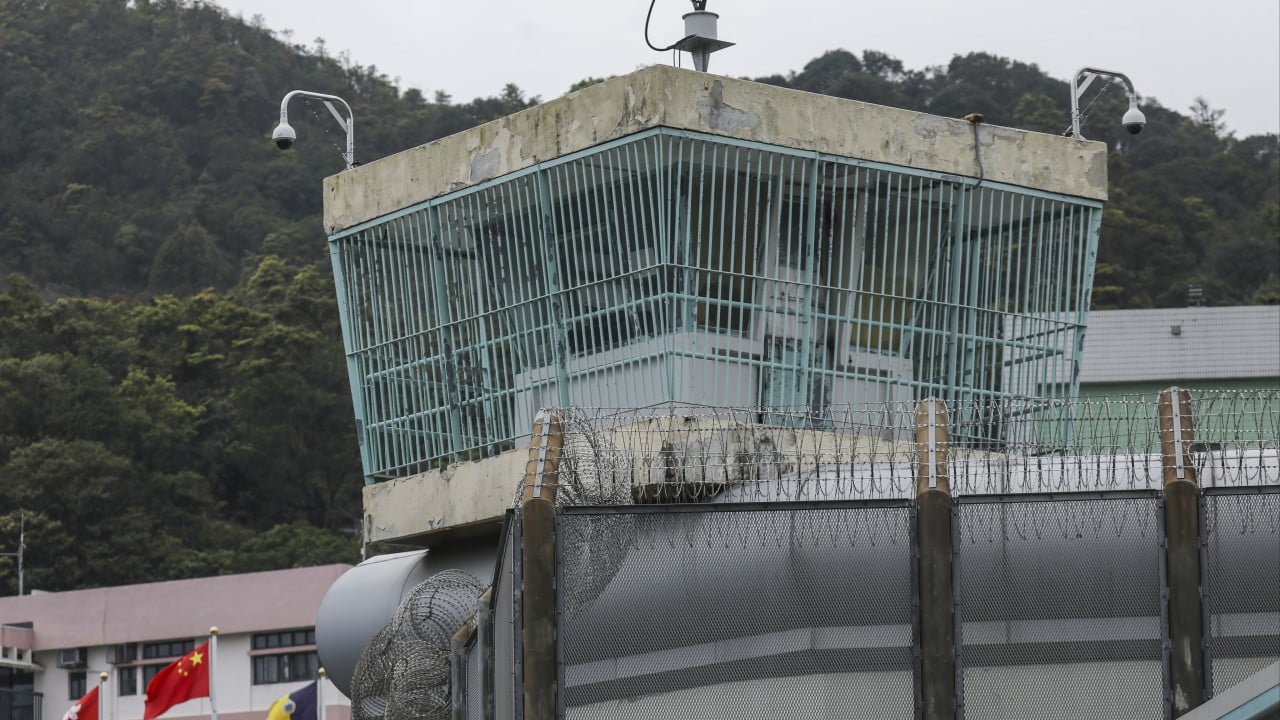
- Surveillance Blind Spots: Physical architecture often contains zones removed from closed-circuit television coverage, creating physical spaces where accountability mechanisms are neutralized.
- Information Monopolies: Inmates lack immediate channels to external authorities, forcing grievances through internal reporting lines controlled by the very personnel who may be implicated in misconduct.
- Complicity Networks: Subordinate or peer involvement, whether secured through coercion or shared institutional survival instincts, converts individual deviance into collective cover-ups.
When an officer uses physical force following a minor interpersonal friction point—such as an informal interaction involving juvenile detainees—the escalation curve reveals the absence of de-escalation protocols. The transition from minor dispute to grievous bodily harm indicates that the actor perceived a zero-cost environment for physical retaliation.
The Cost Function of Perverting the Course of Justice
Physical violence within a custodial setting is frequently followed by a secondary administrative offense: the attempt to pervert the course of justice. The economic and professional cost function for an aberrant officer dictates that the expected penalty of a cover-up is mathematically preferred to immediate transparency, provided the probability of external audit remains low.
The cover-up mechanism operates on documented behavioral patterns:
- Coercive Alignment: Forcing secondary actors, including other inmates or junior staff, to corroborate a false narrative through intimidation or structural leverage.
- Documentation Distortion: Altering logs, medical intake reports, or incident narratives to reframe self-inflicted or assault-induced trauma as accidental injuries.
- Delayed Disclosure Exploitation: Relying on the victim's institutional vulnerability to delay reporting until physical evidence degrades or administrative barriers impede forensic verification.
In jurisdictions where correctional oversight bodies face high operational loads, the detection rate for secondary cover-ups relies heavily on acute medical intervention forcing institutional escalation. Without hospitalization requiring external administrative reporting, internal incidents frequently remain contained within the facility's localized data ecosystem.
Systemic Remediation vs. Cosmetic Compliance
Mitigating institutional violence requires shifting from punitive deterrence targeting individual bad actors to structural modification of the operational environment. Punishing a single officer with a multi-year prison sentence addresses the terminal node of a failure chain, but it leaves the systemic variables intact.
Effective institutional engineering demands architectural and procedural redesign:
- Blind Spot Elimination: Mandating continuous, unalterable digital monitoring across all transit corridors, stairwells, and holding zones, removing physical architectures that facilitate unrecorded interactions.
- Independent Grievance Channels: Establishing direct, non-retaliatory communication pathways between inmates and external judicial or human rights watchdogs, bypassing internal correctional administrative filters.
- Algorithmic Audit Trails: Implementing randomized cross-checks between medical ward admissions and initial security log entries to detect statistical anomalies in injury reporting.
Deconstruct any correctional facility's incident logs by cross-referencing internal disciplinary reports with outside hospital admissions data to uncover the true variance between reported and actual institutional violence.
Ex-corrections officer sentenced in brutal beating of inmate, elaborate cover-up
This video provides an analytical look at parallel institutional breakdowns, illustrating how correctional officer brutality and subsequent cover-ups are prosecuted within legal systems.