The political rhetoric surrounding immigration in the United States right now is incredibly hostile. Fees for H-1B visas are climbing, green card backlogs stretch into decades, and political campaigns treat foreign talent like an economic threat. But if you look at the actual engines driving American wealth, the story changes completely.
Forbes recently released its list of the 250 most successful living immigrants in America, timing it with the country's upcoming 250th anniversary. Out of all the nations represented, India claims the top spot. Twenty-six Indian-born leaders made the cut, outperforming historical immigrant powerhouses like Canada and the United Kingdom. This isn't just a feel-good story about diversity. It's a stark reminder that if you cut off high-skilled Indian immigration, major sectors of the American economy will simply stall. If you found value in this post, you should look at: this related article.
The Tech Heavyweights Building Corporate America
When people think of Indian-origin corporate leaders, names like Sundar Pichai and Satya Nadella instantly come to mind. They aren't just managing these companies; they completely remade them.
Sundar Pichai and the AI Era
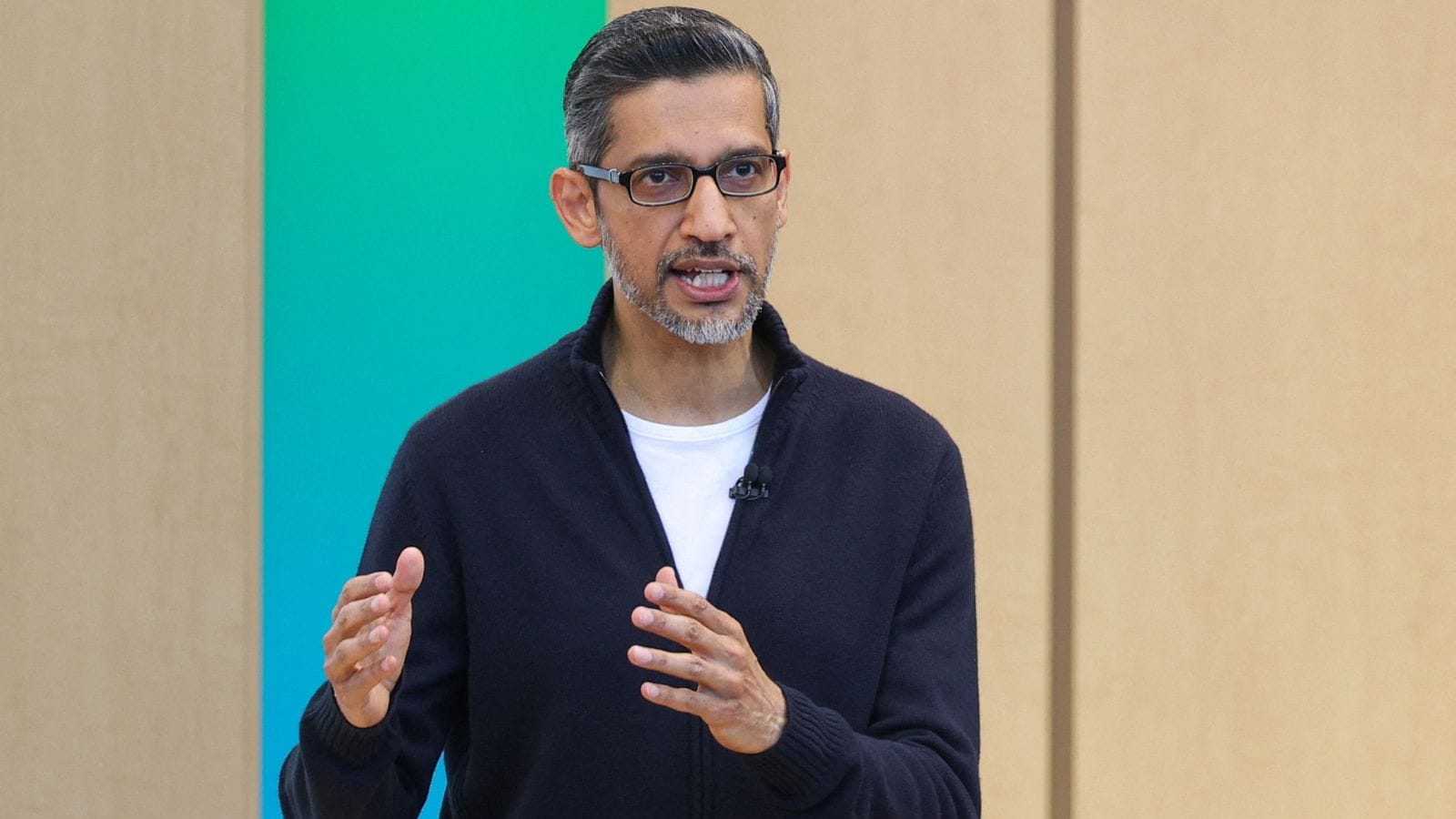
Pichai grew up in Chennai and moved to America to study at Stanford. He worked his way up at Google by driving the creation of the Chrome browser, which ended up dominating the global market. Since taking over as CEO of Alphabet, he has been forced to navigate the most brutal tech transition in a generation: the race for generative artificial intelligence. Under his watch, Google integrated AI deep into its search and enterprise infrastructure, keeping the company at the center of global tech. For another look on this event, see the latest coverage from Business Insider.
Satya Nadella and the Trillion-Dollar Turnaround
Before Nadella took over Microsoft in 2014, the company was widely viewed as a stagnant relic of the desktop era. He pulled off what is now considered one of the greatest corporate turnarounds in tech history. He shifted the entire company toward cloud computing with Azure and made massive, early bets on AI infrastructure. He also executed massive acquisitions like LinkedIn and Activision Blizzard, fundamentally expanding Microsoft's footprint.
Moving Beyond Big Tech
The standard media narrative assumes Indian success in America is limited to writing code in Silicon Valley. That’s a massive misconception. The Forbes data shows these leaders dominate consumer goods, infrastructure, and heavy finance.
- Indra Nooyi: As the former CEO of PepsiCo, Nooyi spent over a decade proving that a global food and beverage giant could pivot toward healthier products without sacrificing profit. She nearly doubled the company’s sales during her tenure, establishing a strategic blueprint that consumer goods companies still try to copy today.
- Rajiv Jain: He heads GQG Partners, an investment firm managing over $162 billion in assets. Jain is one of the most powerful institutional investors on Wall Street, moving massive amounts of capital across global markets.
- Rakesh Gangwal: After serving as the CEO of US Airways Group, Gangwal co-founded IndiGo. He didn't just work within American infrastructure; he used his American corporate experience to build India's largest commercial airline.
The True Scale of the Startup Ecosystem
The corporate executive suite is only half the picture. The real indicator of economic influence is new company creation.
Data from the National Foundation for American Policy shows that immigrants have founded or co-founded 455 of America's 775 privately held startups valued at $1 billion or more. Indian entrepreneurs are the largest single group behind this system, responsible for 96 distinct US unicorns.
Look at Vinod Khosla. He co-founded Sun Microsystems back in the early computing era. Instead of retiring on his laurels, he built Khosla Ventures to fund high-risk, high-impact technologies in clean energy, robotics, and biotechnology. He explicitly targets projects with long-term transformative potential rather than chasing quick quarterly returns. Then there is Nikesh Arora, who took his experience from Google and SoftBank to scale Palo Alto Networks into a dominant force in enterprise cybersecurity.
Why This Group Dominates
This level of concentration at the top of American business isn't an accident. It's the result of a highly competitive pipeline that filters for extreme resilience and technical capability.
Most of these leaders started at highly competitive institutions like the Indian Institutes of Technology (IIT) before moving to the US for graduate degrees. They arrive in America already possessing elite technical training, but they also bring an ability to manage scarcity and systemic complexity—skills naturally developed while navigating India’s competitive academic and professional environments.
When you pair that background with the scale of the US market, you get leaders who are uniquely equipped to manage massive, multi-national organizations through periods of extreme volatility.
The Risk of Changing Policy
The current political trend toward heavy immigration restriction ignores the tangible reality of how these companies function. Restricting H-1B visas or creating hostile environments for foreign students doesn't protect American jobs. It simply forces the next generation of founders to build their companies somewhere else.
When 26 individuals from a single country of origin are listed among the most vital contributors to American society, it proves that high-skilled immigration is an absolute necessity for economic growth. If the US continues to shut its doors, it will lose its competitive edge in artificial intelligence, semiconductor design, and advanced engineering.
If you want to understand where global business is heading next, look at the founders building the next wave of billion-dollar enterprises. The data shows they are increasingly choosing global hubs that welcome their talent rather than treating them as political liabilities.