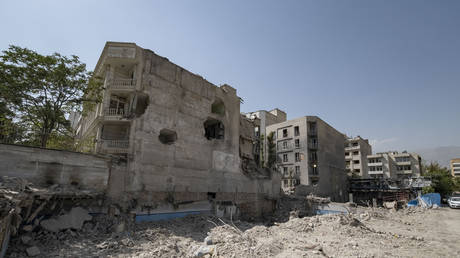
Night skies over Iranian urban centers erupted in flames as U.S. forces launched heavy bomb strikes against strategic infrastructure. Footage circulating across social networks shows massive blasts rattling the city of Isfahan and port cities along the southern coast. This isn't just another limited skirmish in the Middle East. It's a fundamental shift in military engagement.
If you've been following the recent wave of military operations, you know the stakes haven't been this high in decades. American B-1 bombers and Navy strike aircraft targeted munitions depots, military air bases, and naval assets. Central Command confirmed these operations responded directly to ongoing attacks against commercial shipping in the Strait of Hormuz. For a closer look into similar topics, we suggest: this related article.
What American Air Strikes on Iranian Cities Mean for Regional Stability
When bunker-buster bombs hit targets near major urban hubs like Isfahan and Bandar Abbas, the ripple effects hit global markets fast. Crude oil prices shot up immediately following reports of secondary explosions near industrial sectors. Shipping companies diverted commercial tankers away from critical transit corridors, sending freight rates soaring.
The military objective appears straightforward on paper—degrade the Islamic Revolutionary Guard Corps' ability to disrupt international maritime trade. Yet the reality on the ground is far more complex. Blasts hit ammunition storage sites, triggering massive secondary explosions felt miles away in residential districts. For broader details on this issue, comprehensive coverage is available on USA Today.
Here's the problem with targeting facilities near populated centers. Civilian anxiety spikes, infrastructure suffers collateral stress, and diplomatic off-ramps vanish overnight. Satellite imagery confirmed substantial destruction at key logistics sites, but military analysts argue these strikes will push Tehran to rely even more heavily on asymmetric warfare tactics.
Escalation in the Strait of Hormuz Changed the Equation
Why did Washington decide to strike deep inside urban zones now? The short answer comes down to critical waterways.
Over the past month, repeated drone and missile strikes hit commercial oil tankers attempting to pass through the Strait of Hormuz. A fifth of the world's petroleum flows through this narrow passageway. When tanker traffic slowed to a trickle, global supply chains felt the squeeze within days.
Military planners faced a stark choice. They could either play defense indefinitely in the Persian Gulf or target the supply depots supplying those drone and missile units. They chose the aggressive path.
- Heavy U.S. strikes targeted central munitions hubs, including the Badr air base area near Isfahan.
- Coastal installations at Bushehr, Sirik, and Bandar Abbas saw extensive bombardment over 48 hours.
- Air defense systems near critical power installations engaged incoming munitions throughout the region.
Retaliatory threats came quickly from Tehran, warning that regional bases housing coalition forces remain within range of its ballistic arsenal.
Beyond the Headline Footage and Viral Clips
The viral videos dominating news feeds show dramatic flashes and shockwaves shaking camera phones. Beyond the dramatic footage lies a much harder truth about modern warfare.
Air superiority doesn't guarantee a swift resolution. While American aviation assets dominated the skies during recent bombing runs, short-range drone capabilities and hidden underground facilities mean total elimination of attack capabilities remains unlikely.
We've seen this cycle before. Heavy air campaigns inflict serious physical damage on military hardware, but they rarely force political concessions on their own. Instead, they often harden resolve and drive military assets deeper underground.
If you manage logistics, energy investments, or international supply operations, don't expect a quick return to normal in the Persian Gulf. Lock in alternative transport routes, hedge against sustained fuel price volatility, and monitor official maritime advisories daily as coalition forces continue active operations across the region.


