Most metal detectorists dream of finding a rusty belt buckle or an old iron nail. They spend their weekends dragging coils across muddy fields, swatting mosquitoes, and hoping for a stray coin from the twentieth century. But every once in a while, pure persistence meets absolute luck. That is exactly what happened in a quiet German town when a hobbyist stumbled upon the largest collection of Roman silver coins ever discovered in the region.
If you think archaeological treasures only turn up during multi-million-dollar university excavations, think again. History is still sitting right beneath the topsoil, waiting for the right pair of boots to walk over it. You might also find this related coverage useful: Why The Myth Of Wartime Chess Charity Is A Sanitized Comfort Story.
The Discovery That Rewrote Local History
The find took place near the town of Lüneburg in Lower Saxony. A hobby metal detectorist was scanning a freshly plowed agricultural field with official permission from local heritage authorities. He wasn't expecting anything extraordinary. Then came the familiar high-pitched tone of a target.
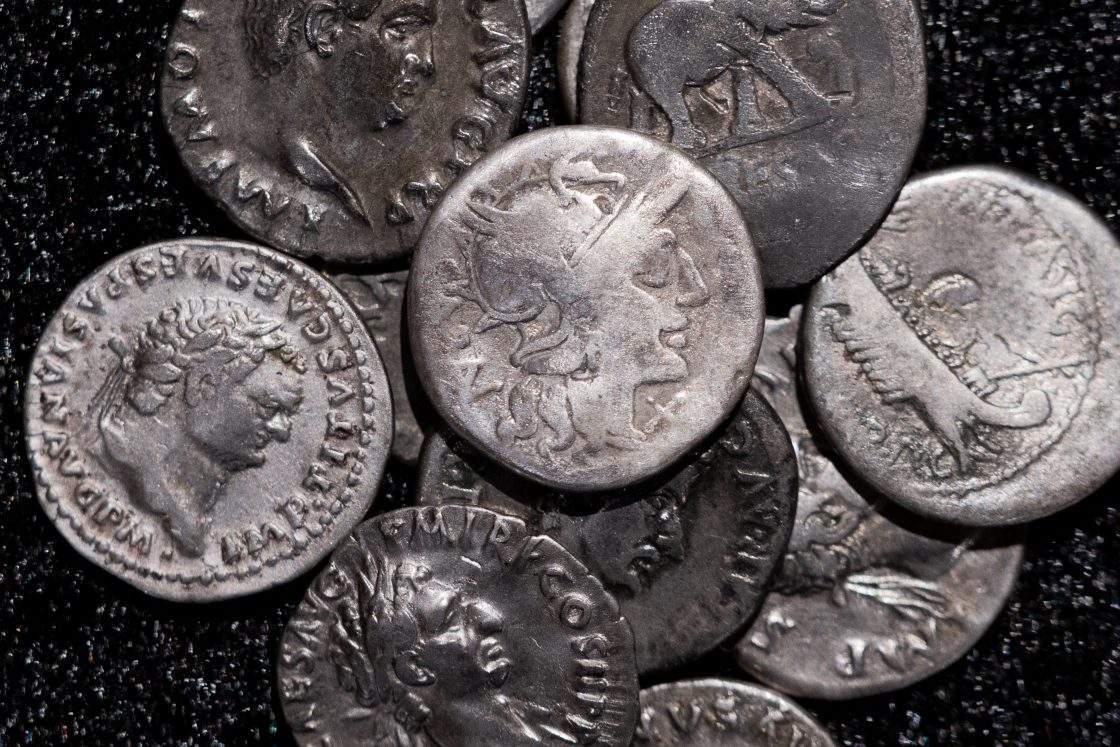
Instead of a modern piece of farm equipment, he unearthed a cluster of ancient Roman denarii. Any sane detectorist would have stopped right there, called the authorities, and waited for the professionals. That is precisely what happened next. Rather than digging up the site haphazardly and destroying the archaeological context, the finder alerted the regional office for heritage preservation. As reported in detailed articles by Reuters, the effects are significant.
Professional archaeologists rushed to the scene. What they excavated over the following weeks blew past every expectation. They didn't just find a handful of coins. They uncovered a massive hoard containing more than two hundred silver denarii alongside fragments of a bronze container that had long since rotted away in the acidic soil.
Why This Specific Hoard Matters So Much
Coins are currency, but ancient coins are time capsules. This particular treasure trove dates back to the reign of Emperor Hadrian and his successors in the second century AD. Finding Roman silver coins in Germany isn't entirely impossible—after all, trade routes stretched far beyond the official borders of the Roman Empire, known to the Romans as the limes.
However, the sheer volume and composition of this discovery tell a much deeper story about the complex geopolitical relations between Germanic tribes and the Roman Empire. These weren't standard trading pennies left behind by a traveling merchant. This was likely a substantial payment, a bribe, or perhaps even war booty buried for safekeeping during a period of intense local conflict.
Historians look at hoards like this as snapshots of panic. People only bury wealth when they expect to lose everything. Someone tucked this silver into the earth nearly two thousand years ago, expecting to return for it. They never did.
The Rules of Responsible Metal Detecting
Stories like the Lüneburg discovery make the hobby look glamorous. You wave a detector, hear a beep, and instantly become a local legend. Real life is a bit more complicated, especially in Europe where heritage laws are fiercely protective of ancient artifacts.
If you want to try your hand at unearthing history, you cannot simply walk onto random farmland and start digging. Doing that is illegal in most jurisdictions and destroys irreplaceable historical data.
- Secure official permits: Always work with local landowners and archaeological offices.
- Leave context intact: If you find something significant, stop digging immediately. The exact depth and surrounding soil layer matter just as much as the object itself.
- Report your finds: Legitimate hobbyists are partners to science, not treasure hunters out for a quick payday.
What the Experts Miss About Ancient Hoards
Most mainstream accounts of these discoveries focus purely on the monetary value or the thrill of the hunt. They treat ancient coins like lottery tickets. That completely misses the human element.
Think about the individual who handled that silver last. They lived in a turbulent frontier world where the shadow of Rome loomed large over every Germanic settlement. They felt the weight of that metal in their hands. They chose that specific spot in the dirt, dug a hole with a primitive tool, and walked away with a racing heart.
When an amateur detectorist digs up a find like this, they aren't just recovering lost treasure. They are bridging a two-thousand-year gap between an anonymous ancient life and our modern curiosity.
Keep your boots muddy, respect the laws that protect our shared past, and remember that the ground beneath your feet still holds secrets that nobody has written down yet.