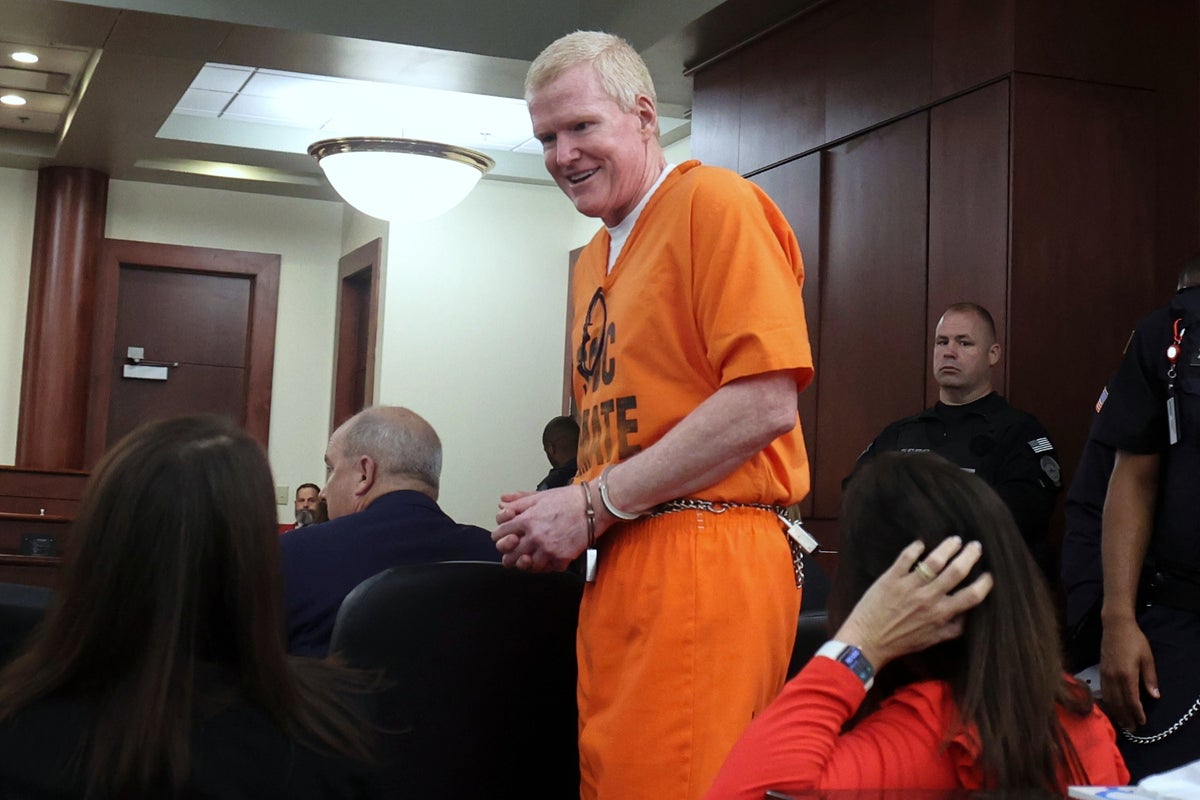
The legal commentariat is having a collective meltdown over a federal judge throwing out Alex Murdaugh's demand for a cool six hundred grand.
The narrative is predictable. People look at Becky Hill—the disgraced, book-hustling former court clerk whose jaw-dropping jury tampering forced the South Carolina Supreme Court to overturn Murdaugh’s murder convictions—and assume justice has failed twice. If her misconduct broke the trial, the conventional wisdom goes, she should foot the bill for the wreckage.
It is a clean, emotionally satisfying argument. It is also entirely detached from how civil liability works.
U.S. District Judge Richard Gergel didn’t issue a miscarriage of justice. He applied basic, unyielding legal logic: Murdaugh’s $600,000 defense tab from the first trial had zero causal connection to Hill’s courtroom meddling.
Stop crying foul. The judge got this precisely right.
The Causation Fallacy Everyone Ignores
Let us define terms, because legal literacy online is at an all-time low. To win a civil rights claim under Section 1983, you must prove proximate cause. You must show that the defendant’s specific bad act directly manufactured the specific financial injury you are suing over.
Murdaugh argued that because Hill’s chicanery blew up the verdict, the money he spent on that trial was wasted, meaning Hill owes him a refund.
That argument treats a criminal defense like a defective appliance. If you buy a blender and it explodes on day one, the manufacturer owes you a new one or your cash back. But a criminal trial is not a consumer purchase.
Imagine a scenario where a defense attorney charges a flat fee to take a murder case to verdict. Whether the jury deliberates for three hours or three weeks, whether the clerk whispers to a juror or a rogue pigeon flies into the courtroom and disrupts proceedings, that baseline cost of representation exists. Murdaugh was going to pay attorneys to defend him against double homicide charges regardless of what Becky Hill did in the hallway.
Hill did not invent the state's case. Hill did not file the indictments. Hill did not force Murdaugh into a courtroom. The state of South Carolina did that, driven by a mountain of financial crimes, missing millions, and two dead bodies.
If Hill had never been born, Murdaugh still would have liquidated that retirement account to keep lawyers from putting him away forever. The causal link is a ghost.
The Absurdity of Subsidizing a Con Man
We are talking about a man who admitted to stealing millions from the very clients who trusted him, orchestrating multi-layered financial frauds, and sitting on the witness stand spinning elaborate webs of deception. Now, the public expects the courts to hand him a taxpayer-adjacent reimbursement check because a local clerk acted like an absolute grifter to cash in on a true-crime book deal.
Two things can be true at the exact same time.
First, Becky Hill deserves every ounce of professional ruin coming her way. She abused public office, lied to reporters, tampered with the atmosphere of a trial, and embarrassed the South Carolina judiciary. Her guilty pleas to perjury and misconduct are well-earned badges of dishonor.
Second, turning the civil tort system into a cash machine for convicted felons who want to offset their legal overhead is a dangerous distortion of the law.
Murdaugh got what the constitution actually promised him for Hill’s misconduct: a do-over. The South Carolina Supreme Court wiped the slate clean. They handed him a brand-new trial. That is the remedy. The Constitution does not guarantee that when a court official acts unethically, you get a free legal defense paid for out of pocket by the offender.
The Real Cost of the Retrial
The critics howling about Judge Gergel’s dismissal miss the strategic horizon. Judge Gergel dismissed the suit without prejudice. That means the door isn't welded shut forever.
If Murdaugh wants to chase damages down the road tied to the actual duplicated expenses of preparing for a second trial—costs forced solely by the structural collapse of the first verdict—that is a different analytical ballgame. But demanding the sunk costs of a defense he was legally obligated to mount anyway is a transparent attempt to monetize his own criminal exposure.
The legal system is not an insurance policy for defendants who get caught. Murdaugh wanted a shortcut to a funded defense, and the federal bench reminded him that causation still matters, even when the defendant is universally despised.