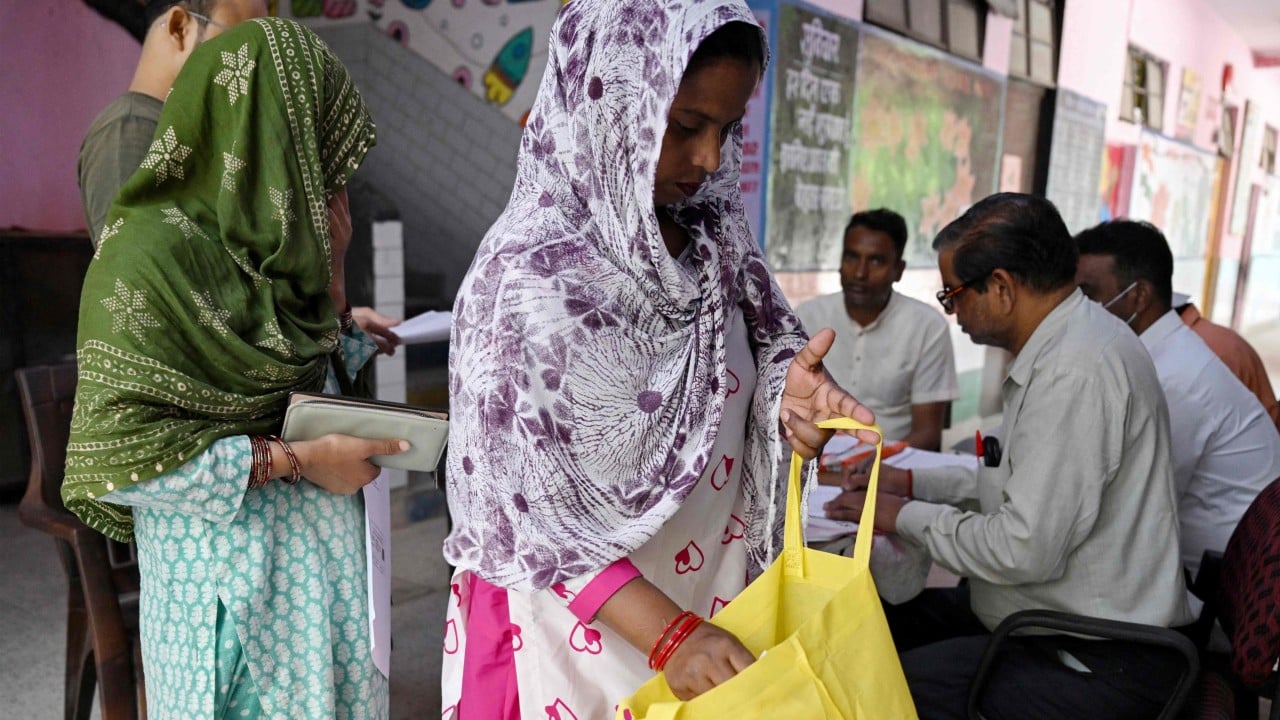
Alberta didn't walk out on Canada. Voters made that loud and clear on October 19, 2026, overwhelmingly rejecting a proposal to launch the constitutional steps toward leaving the country.
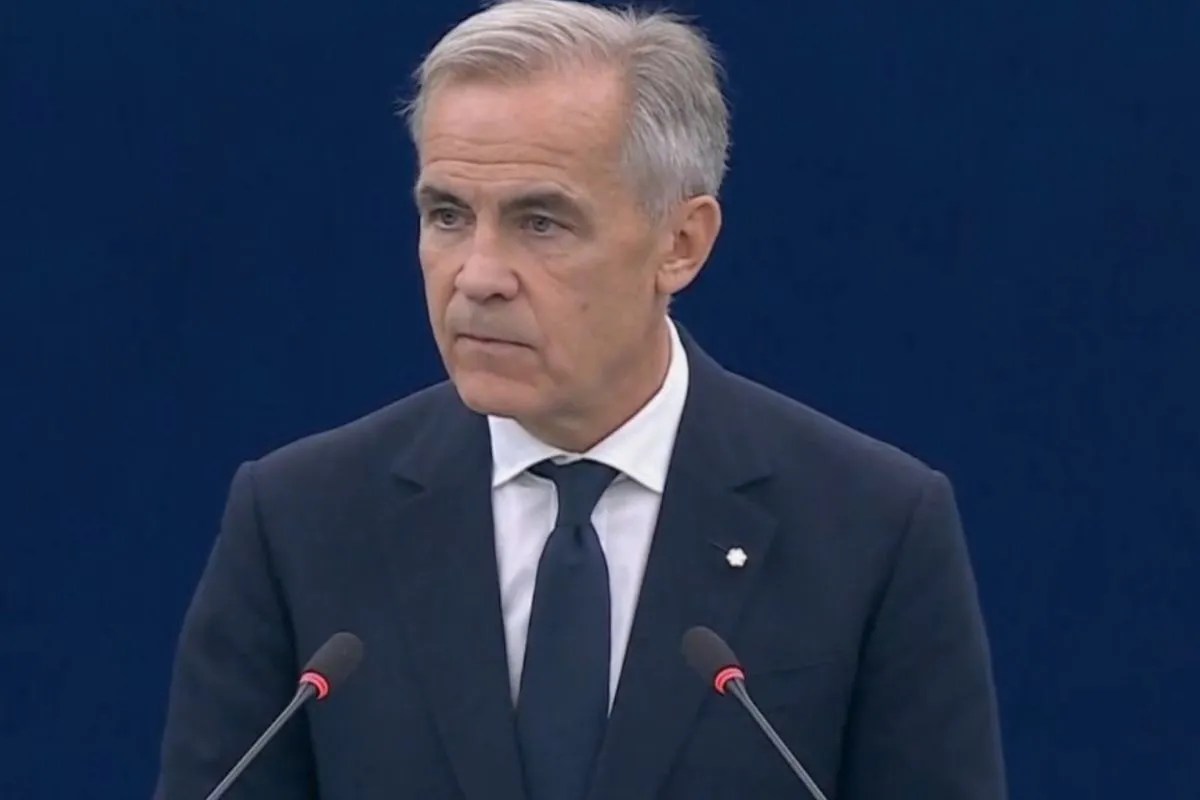
Roughly three-quarters of voters backed staying in Canada, leaving the pro-separation side trailing far behind at around a quarter of the vote. Prime Minister Mark Carney, who grew up in Edmonton and has spent months trying to cool western anger, quickly seized on the moment. He said Albertans chose unity, building together, and looking out for one another—and above all, they chose Canada. Also making news in related news: Why the War Between Al-Qaida and ISIS in the Sahel Keeps Getting Bloodier.
That headline soundbite tells you the outcome, not the whole story. If you think this vote settled western alienation for good, you're missing what actually happened inside the ballot box. Albertans said no to breaking away from Canada. At the very same time, many of them voted yes on measures demanding tighter provincial control over immigration, social programs, and federal overreach.
What the Referendum Actually Asked and Decided
Most news snippets boil the October vote down to a simple yes or no on independence. Honestly, that oversimplifies a messy, multi-question ballot that bundled secession with a wide list of grievances over Ottawa's authority. Further information regarding the matter are explored by The New York Times.
On the separation question itself, voters were asked whether Alberta should stay a province of Canada or start the legal process under the Canadian Constitution to hold a binding referendum on leaving. Early tallies showed roughly 76 percent choosing to stay and around 23 to 24 percent backing the push toward separation. For pro-Canada organizers like former Deputy Premier Thomas Lukaszuk, whose Forever Canadian campaign gathered more than 400,000 verified petition signatures ahead of the vote, the result felt like vindication.
Yet separatist leaders didn't treat the loss as a total wipeout. Around a quarter of voters—or roughly a third in some pre-vote polling snapshots—signaled real appetite to pursue a separation path or at least shake up the status quo. In politics, a 23 to 25 percent bloc in a single province isn't a majority, but it's big enough to rattle party leaders and keep pressure on Premier Danielle Smith.
Look at the other questions on that same ballot and the mood shifts again. Voters showed majority support in early counts for ideas like giving Alberta more say over immigration, setting waiting periods before newcomers access certain social services, requiring proof of citizenship to vote, and letting the province opt out of some federal programs while still receiving funding. Even constitutional ideas like provincial roles in judicial appointments or abolishing the Senate drew narrow majority support in early reporting.
That split personality is the real takeaway. Albertans don't want a divorce from Canada. They do want Ottawa out of their hair.
Why Mark Carney's Pitch Landed in Alberta
For years, liberal federal leaders had a tough time getting a fair hearing in Calgary or Edmonton. Energy policy, carbon rules, and a sense that central Canada sets the rules while the west pays the bill fueled years of resentment.
Mark Carney had a different angle. He grew up in Edmonton, which gave him local familiarity that past prime ministers lacked. More importantly, he leaned into practical economic arguments rather than lecturing Albertans about climate targets. He worked alongside Smith on major infrastructure and pipeline plans aimed at getting Alberta heavy oil and bitumen to overseas markets, including the Pacific coast, instead of relying so heavily on the United States.
External pressure helped Carney's case a lot. With President Donald Trump's administration hitting Canadian goods with trade barriers and raising annexation rhetoric, nationalism spiked across Canada—even in places where Ottawa is usually a punching bag. When Carney talked about diversifying trade away from Washington and building big projects without internal fractures, crowds in Alberta cheered.
"We can't build big things on fault lines," Carney warned ahead of the vote, framing unity as basic economic self-defense during a turbulent stretch in North American trade.
Let's be real, though. Pipeline promises and trade speeches don't erase a decade of friction overnight. Critics on both sides pointed out that getting major energy corridors built still faces regulatory hurdles, financing questions, and shifting markets. Still, by treating Alberta's energy sector as a pillar of national strength rather than a problem to manage, Carney blunted the sharpest edge of the separatist pitch.
How Alberta Separation Became Mainstream Enough to Put on a Ballot
Not long ago, talk of Alberta leaving Canada was mostly barstool banter or fringe politics polling in the low single digits. So how did it turn into a formal referendum question in 2026?
Several forces stacked up over the past decade:
- Long-running political math: Because population weight sits heavily in Ontario and Quebec, federal governments have often been formed without strong backing in Alberta, convincing many westerners that their priorities get sidelined.
- Pandemic-era organizing: Lockdowns, mandates, and the 2022 trucker convoy gave angry activists real organizational muscle and pushed figures who once focused on public health rules into constitutional politics.
- Rule changes on citizen petitions: Alberta lowered the signature threshold and extended collection windows for citizen initiative petitions in 2025, making it easier for grassroots campaigns to force big issues into public view.
- Party pressure on Danielle Smith: Premier Smith personally opposed separation, yet she put referendum questions before voters to manage intense pressure from pro-independence activists inside her own United Conservative Party base.
Outside noise added fuel, too. Researchers tracking online influence noted overlapping narratives from Russian- and U.S.-linked accounts targeting Alberta around the referendum, while high-profile figures like Elon Musk publicly cheered on the idea of Alberta and Saskatchewan separating. Even if online chatter didn't swing the final tally, it showed that western fractures attract plenty of outside opportunists.
Even so, most Albertans looked at the practical reality of landlocked borders, currency questions, trade treaties, and economic risk—especially amid U.S. tariff threats—and decided blowing up Confederation was a bad bet.
What This Vote Means for Canadian Unity and Energy
If you're watching Canadian politics or investing in North American energy, don't read this vote as a return to quiet harmony. It's a truce with conditions.
Ottawa Still Has to Deliver on Pipelines and Trade
Carney talked up Alberta's central role in turning Canada into a global energy powerhouse and finding new export partners beyond the U.S. Announcements are easy; steel in the ground and signed export contracts are harder. If federal approvals stall or private capital stays skittish, separatists will point to every delay as proof that staying in Canada holds Alberta back.
Premier Smith Faces a Tricky Balancing Act
By holding the vote and losing the separation question decisively, Smith avoided a constitutional crisis—at least for now. At the same time, strong support for provincial autonomy measures gives her ammunition to push Ottawa hard on immigration, funding formulas, and jurisdiction. Her bigger headache is at home: keeping restive separatist factions inside the UCP from fracturing the right.
Watch Turnout and Post-Vote Fallout
A common mistake people make after lopsided referendum results is assuming the losing side packs up and goes home. Separatist organizers like Jeff Rath and Keith Wilson have already signaled they view the campaign as a long-term project, arguing that generating high engagement and putting a quarter of the electorate behind their cause gives them leverage. Whether that energy fades or morphs into a new party depends on how Ottawa and Edmonton handle economic growth over the next couple of years.
Practical Ways to Track What Happens Next
If you want to follow how this story plays out without getting lost in partisan spin, focus on concrete indicators rather than daily outrage.
- Check official Elections Alberta final tallies and turnout numbers: Early election-night percentages give a fast read, but certified counts and turnout breakdowns show how broad the pro-Canada margin really was across urban and rural ridings.
- Track real progress on Pacific and non-U.S. energy export deals: Watch for binding commercial commitments, regulatory milestones, and funding structures on pipeline and export projects—not just joint press conferences.
- Follow how Alberta's government acts on the other referendum questions: Look at which non-binding and constitutional items turn into actual legislation or court and intergovernmental battles with Ottawa.
- Watch United Conservative Party internal dynamics: Pay attention to caucus moves, party board debates, and any new political challengers emerging from the pro-independence camp.