Four lives ended quietly in the freezing brine of the Seldovia Slough. A Piper PA-24, a classic single-engine aircraft built for distance, did not complete its journey from Anchorage to the small coastal pocket of Seldovia. Instead, it pitched down into shallow water, trapping four adults beneath fifteen feet of tide-driven ocean. Alaska State Troopers had to wait hours for the water to recede before they could pull the bodies from the wreckage.
This accident arrived barely a week after another charter aircraft slammed into a remote western military site, wiping out eight more souls in a thick wall of fog. Two catastrophic aviation failures within seven days. For anyone who watches northern transit infrastructure with a critical eye, these disasters are not random lightning strikes. They represent the predictable cost of operating an advanced transportation system across an unforgiving wilderness that refuses to bend to modern convenience.
The Tyranny of Distance and Infrastructure
Flying in Alaska is not a luxury. It is a public utility. When roads do not exist—and across most of the state, they do not—wings are the only ambulance, the only grocery truck, and the only school bus. Yet the federal and state apparatus supporting this lifeline remains chronically mismatched to the physical reality on the ground.
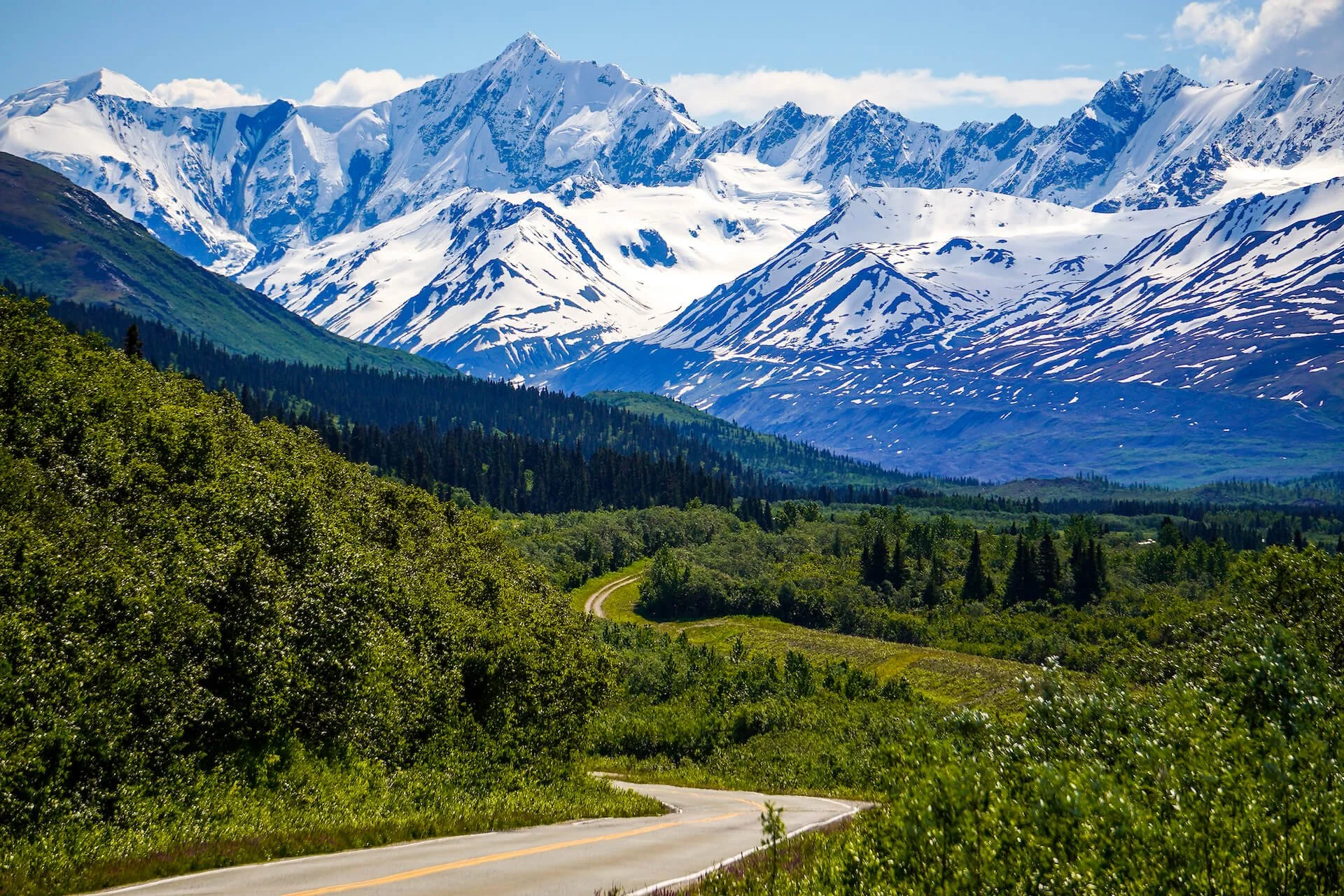
Consider the geography of the recent Seldovia approach. Pilots navigating these coastal corridors face sudden micro-weather shifts, salt spray, blinding glare, and mountainous terrain that swallows radio signals whole. Official bodies like the National Transportation Safety Board and the Federal Aviation Administration routinely log these incidents, pointing fingers at visibility minimums or mechanical anomalies. They audit logbooks. They inspect wreckage. But they consistently miss the structural vulnerability inherent in a system forcing complex machinery through archaic air corridors with sparse radar coverage.
Aviation safety analysts talk endlessly about pilot error, as if a human being consciously chooses to misjudge a horizon. They rarely talk about the absence of automated weather observation systems in secondary bush airports, or the fact that ground-based navigation aids remain sparse compared to the lower forty-eight states. When a pilot encounters deteriorating conditions over Cook Inlet or the Gulf coast, their margin for error shrinks to zero within seconds.
When Visibility Becomes an Illusion
The western Alaska crash involving the eight victims exposed a parallel systemic failure. Heavy fog swallowed a gravel airstrip during a second runway approach. That detail matters. A second approach implies desperation, a persistent push to complete a flight because turning back means burning fuel the aircraft may not have, or stranding passengers miles from medical help.
Bush pilots operate under a unique psychological and economic pressure cooker. They carry the weight of isolated communities on their wings. If a mail run or a patient transport turns back, entire villages wait days for the next window. This creates an unwritten culture of normalization of risk. Pilots push harder than their instruments or the weather permits because the alternative feels like abandonment.
Regulators treat these events as isolated tragedies rather than systemic symptoms. Politicians issue standard statements about heartbreaking losses and the necessity of infrastructure upgrades. Yet funding for advanced satellite tracking, localized weather forecasting nodes, and modernized rural airstrip lighting trickles down at a glacial pace.
The Mechanics of Recovery in the Bush
The logistics following a crash highlight how isolated these regions remain. When the Piper PA-24 went down, responders could not simply deploy standard urban dive teams or immediate crane units. They had to wait for nature to cooperate. The tide had to drop before the fuselage could be accessed.
This delay is emblematic of northern rescue operations. Emergency response times in remote sectors are measured in hours, not minutes. A survivor trapped in a submerged cabin or a freezing treeline faces a race against hypothermia that local volunteer networks are ill-equipped to win. The state relies heavily on a patchwork of state troopers, local volunteers, and regional air taxis to pull off recoveries that would require entire specialized battalions anywhere else.
Until the federal government treats northern aviation infrastructure with the same urgency it applies to major metropolitan transit hubs, these iron birds will continue to fall out of a hostile sky. The wreckage in the Seldovia Slough will be hauled away, analyzed, and filed into a federal database. Another report will be published. Another committee will convene. And out on the coast, the tide will come back in.