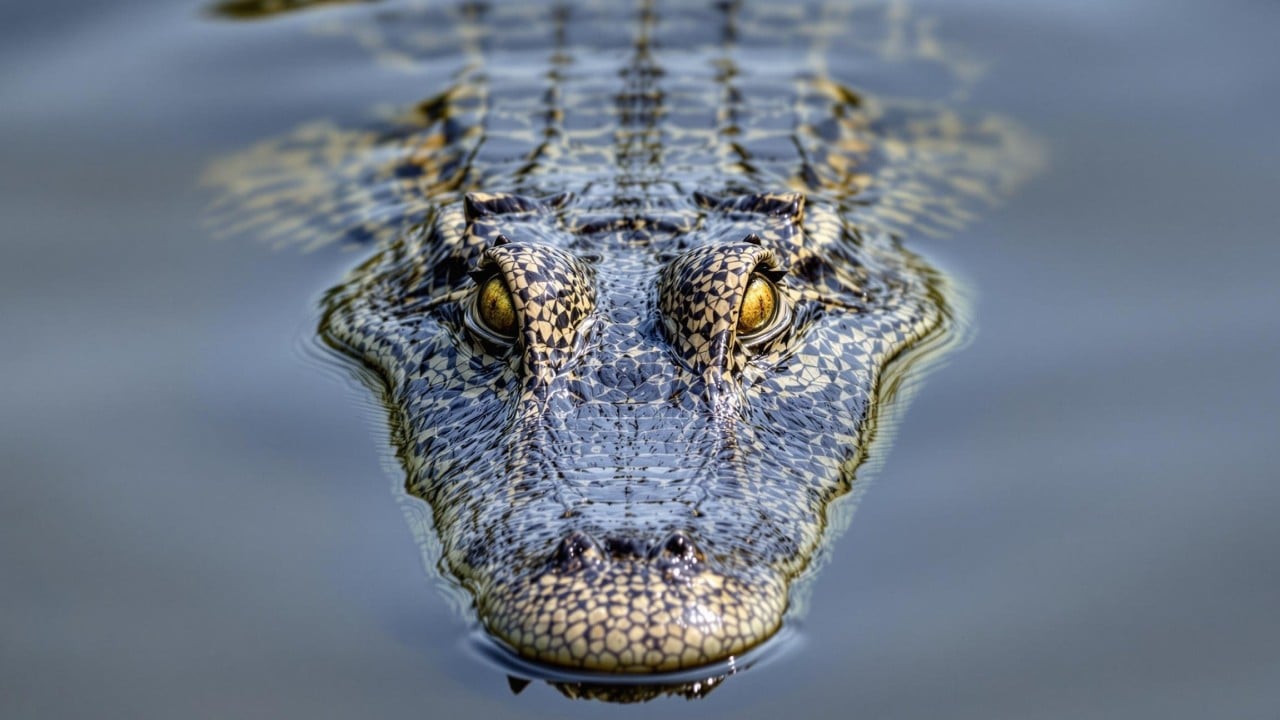
A man generated a hyper-realistic image of a giant crocodile lurking in a Singapore reservoir using artificial intelligence, posted it online, and inadvertently triggered a massive, real-world emergency search operation. Singapore authorities didn't laugh it off as a harmless prank. They tracked him down, slapped him with criminal charges under the Protection from Online Falsehoods and Manipulation Act, and sent a loud message to internet jokesters everywhere.
Pranks online have real consequences now. Synthetic media isn't just a quirky tool for creating funny videos or artistic wallpapers anymore. It is actively fooling the public, wasting municipal resources, and forcing law enforcement to treat every digital fabrication as a potential crisis until proven otherwise.
The Reality Check Behind the Reservoir Hoax
When the image hit local social media feeds, it looked convincing enough to panic casual observers. A massive reptile resembling an estuarine crocodile appeared to lounge near the edge of a popular public water catchment area. Joggers panicked. Wildlife agencies scrambled. Public safety officers deployed resources to investigate a threat that existed purely inside a neural network's latent space.
People underestimate how fast misinformation travels when combined with photorealistic generative tools. We moved past the era of blurry, obviously fake Bigfoot photos. Modern image generators render lighting, water ripples, and skin textures with terrifying precision. If you don't look closely at the hands, teeth, or background anomalies, you fall for it instantly.
Singapore's swift legal crackdown highlights a widening gap between how creators view AI tools and how governments view public disruption. You might think you're just dropping a funny meme into a group chat. The authorities see someone crying wolf with high-end tech.
Why Synthetic Media Laws Are Getting Brutal
Governments aren't waiting for public consensus on digital ethics. They are writing laws right now that criminalize the malicious or reckless distribution of synthetic media.
Singapore maintains notoriously strict public order laws. When a digital creation sparks public alarm or diverts emergency personnel from actual duties, the state treats it as a serious offense. This isn't just about copyright or artistic freedom. It is about public infrastructure security.
Think about what happens next. When emergency services waste hours searching a murky reservoir for a non-existent beast, real people needing help face delays. That diversion of municipal manpower turns a digital joke into a genuine public safety hazard.
How Creators and Platforms Are Responding
Content creators face a messy reality check. The platforms hosting these tools are adding watermarks and metadata tags, but users strip them out in seconds.
If you build or share synthetic imagery, you carry a new kind of responsibility. Ignoring the downstream impact of your work doesn't fly anymore. Courts don't care if you put a tiny hashtag buried in the comments calling it AI-generated if the initial visual hook tricks thousands of people scrolling past on their phones.
The burden of verification now shifts heavily toward the viewer, but the legal liability lands squarely on the creator. That dynamic creates an adversarial internet where every stunning visual gets interrogated for authenticity.
Stop treating text-to-image prompts like a toy box with no rules. The tools are too powerful, the public is too gullible, and the legal frameworks are catching up way faster than most internet culture enthusiasts realize. Verify what you share, check your sources, and stop assuming everyone else knows you are just kidding.