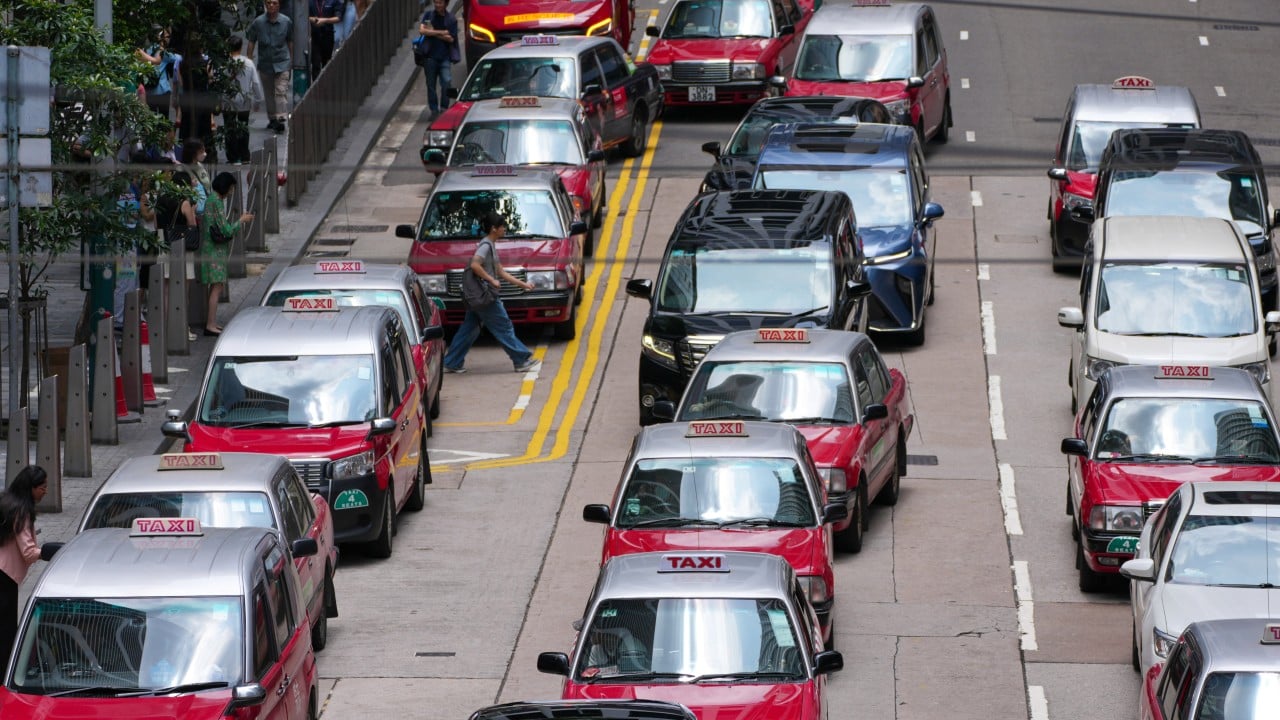
The bureaucracy is stalling again. The plan to lower the age bar for mandatory health checks for taxi and private-hire drivers—originally slated for earlier this year—has been pushed back to the second half of 2026. The official narrative blames "operational complexities" and the need for "further consultation."
That is a polite way of saying the system is terrified of the math.
Everyone is focused on the wrong number. The industry is obsessed with the biological age of the driver, as if a 50-year-old suddenly becomes a ticking time bomb the moment they blow out a candle. We are witnessing a classic case of administrative theater where we move the goalposts on age because we are too incompetent to measure actual performance and cognitive health in real-time.
Lowering the screening age from 60 to 50 is not a safety "upgrade." It is a blunt instrument used by regulators who lack the digital infrastructure to monitor driver fatigue, cardiovascular stress, and reaction times. We are treating professional drivers like vintage cars that need an annual inspection, ignoring the fact that a 45-year-old with chronic sleep apnea and a caffeine-reliant diet is infinitely more dangerous than a marathon-running 65-year-old.
The Myth of the Statistical Cliff
The "lazy consensus" suggests that health risks follow a neat, linear progression that accelerates at 50. This is biological nonsense. Modern preventative medicine and early intervention mean that health outcomes are now dictated by lifestyle and genetics, not the year on your birth certificate.
When regulators delay these checks, they aren't "giving drivers more time." They are admitting that their current screening methods are so cumbersome and low-yield that they cannot handle the volume of a younger cohort. If these health checks actually worked—if they actually predicted who was going to have a stroke behind the wheel—we wouldn't be delaying them. We would be rushing them.
The delay proves the checks are a checkbox exercise, not a life-saving intervention.
I have spent years looking at fleet risk management. I have seen companies spend millions on "wellness programs" that do nothing because they measure the wrong variables. You want to know who is going to crash? Don't look at their age. Look at their telematics. Look at their braking patterns at 3:00 AM. Look at the variance in their lane discipline over a twelve-hour shift.
The High Cost of Regulatory Lag
Every month this delay drags on, the industry stays stuck in the dark ages of risk assessment. By the time the "second half of the year" rolls around, the data will be stale, and the implementation will be a mess.
The real problem isn't that 50-year-olds aren't being checked. The problem is that the checks themselves are archaic. A standard physical once every few years is a snapshot of a moving target.
Imagine a scenario where we replace these delayed, periodic physicals with continuous, non-invasive health monitoring. We have the tech. We have wearable integration. We have AI-driven gait and voice analysis that can detect early-onset neurological decline or extreme fatigue before a driver even puts the car in gear. But we don't use it. We wait for a doctor to sign a piece of paper every two years.
This delay is a gift to the status quo. It allows platforms and taxi operators to avoid the hard conversation about driver demographics and the grueling hours that actually cause health failures. It is much easier to talk about "age bars" than it is to talk about the systemic exhaustion of the gig economy.
Why Younger Drivers are Often Higher Risk
Here is the truth nobody in the transport ministry wants to say: Lowering the age bar might actually show us that the younger drivers are in worse shape than the veterans.
The older generation of cabbies often has a more disciplined routine. The younger "hustle culture" drivers are the ones pushing 16-hour days, living on energy drinks, and ignoring the warning signs of hypertension. If we start screening 50-year-olds tomorrow, the failure rate will be an embarrassment. It will reveal a labor force that is physically broken by the very platforms that claim to provide "flexibility."
The delay isn't about "logistics." It’s about the fear of a labor shortage. If you screen the 50-plus demographic rigorously, you might lose 15% of your fleet overnight. The "second half of the year" is just a convenient buffer to figure out how to patch the hole in the supply chain.
The Cognitive Dissonance of Professional Licensing
We require more rigorous health checks for a pilot at 40 than we do for a driver carrying four passengers through heavy urban traffic at 60. Why? Because we value the lives on a plane more than the lives in a Toyota Prius.
If we were serious about safety, the age bar wouldn't just be lowered; it would be abolished in favor of a risk-based tier system.
- High-Risk Tier: Drivers with history of hypertension, high BMI, or irregular sleep patterns (Regardless of age).
- Low-Risk Tier: Drivers with clean clinical records and consistent telematics performance.
Instead, we use age as a proxy for health because it’s easy to code into a database. It is lazy governance. It ignores the nuance of individual physiology and rewards the unhealthy while penalizing the fit.
The Economic Impact of Doing Nothing
By delaying the rollout, the government is essentially subsidizing health risks. They are allowing operators to continue to extract value from a workforce without ensuring that workforce is physically capable of the task.
This isn't just about the drivers' health. It’s about public liability. Every accident caused by a medical emergency—something these "delayed" checks are meant to catch—is a failure of the regulatory body.
The pushback from drivers is understandable. A health check isn't just a medical exam; it’s a threat to their livelihood. In a city where the cost of living is spiraling, losing your vocational license is a financial death sentence. But by delaying the checks, we are only making the eventual cliff steeper.
Stopping the Performance Theater
We need to stop pretending that a 50-year-old is the same thing as a 60-year-old in the eyes of the law, and then failing to even enforce that distinction.
If the health of the driver is paramount (a word the bureaucrats love to use while doing the opposite), then the screening should be digital, constant, and proactive. The current model is reactive. It waits for the heart attack to happen, then asks for the paperwork.
The delay is a symptom of a larger rot: a refusal to modernize the "vocational license" for the 21st century. We are using 1970s logic to manage 2026 traffic.
Stop worrying about the "second half of the year." Start worrying about the fact that your driver’s health is being managed by a calendar rather than a cardiologist. The age bar is a distraction. The real crisis is our refusal to use the data sitting right in front of us.
We don't need more delays. We need a complete demolition of the "periodic checkup" model. Until we move to real-time health and fatigue monitoring, every "safety" announcement is just noise to keep the insurance companies happy.
The regulators are stalling because they know the moment they look under the hood of the 50-year-old demographic, they won't like what they find.
Fix the system, not the schedule.