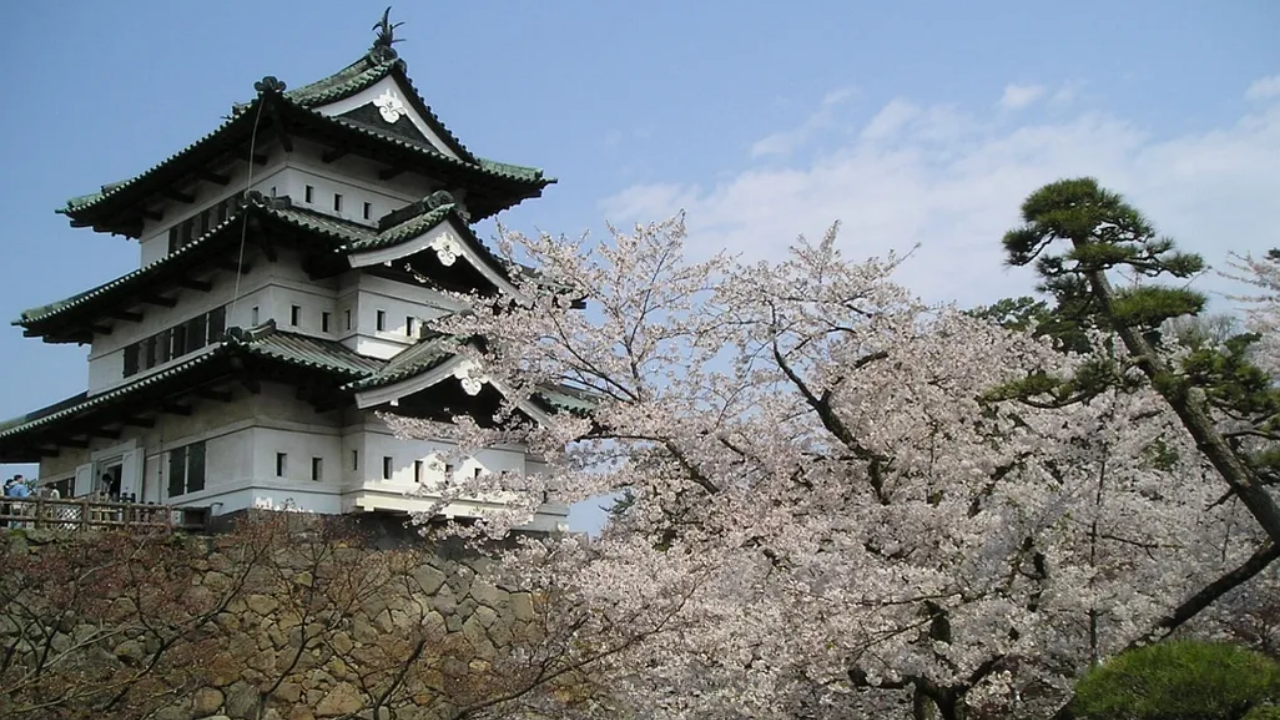
When 1,800 citizens gathered in northern Japan to manually drag a 400-ton timber fortress across steel rails, engineers did not rely on raw muscle alone. They used hikiya, a centuries-old structural shifting technique that allows entire historical buildings to be relocated without disassembly. This monumental effort in Hirosaki, Aomori Prefecture, solved a very modern infrastructural paradox. How do you repair the failing stone base of a heritage asset when the asset itself weighs roughly eight hundred thousand pounds?
Heavy machinery could have completed the job in a fraction of the time with minimal human labor. Instead, municipal organizers opted for a lottery system that drew over 8,000 applications from across the globe for just 1,800 available slots. Participants worked in synchronized teams of 80, hauling on nearly 100-foot ropes to inch the three-story keep back toward its original foundation. This deliberate choice highlights an emerging philosophy in heritage conservation. Physical participation creates an irreplaceable psychological bond between citizens and their built environment, turning static preservation into an active cultural transmission. Don't miss our previous coverage on this related article.
The Mechanics of Moving a Mountain
The operational blueprint of the Hirosaki Castle keep relocation is rooted in precise physics and historical precedent. Built originally in 1611 and reconstructed in its current form in 1810, the structure requires absolute stability. In 2015, municipal engineers hoisted the entire tower onto temporary steel frames, moving it 256 feet back to allow for critical seismic and structural repairs on the aging stone base.
The return journey, executed through a mix of human-powered hauling and mechanical assistance, showcases the efficiency of roller-based transport systems. By placing industrial steel rollers beneath the load-bearing grid, engineers drastically reduced the coefficient of friction. Even so, the sheer inertia of a 400-ton timber structure demands immense initial force. To read more about the background here, NBC News provides an in-depth breakdown.
- The Setup: Heavy timber beams are laced directly into the structural skeleton of the keep's lower floor.
- The Track: Parallel steel rails are laid across a precisely leveled gravel and timber sub-base to distribute weight evenly.
- The Power Source: Alternating squads of volunteers use synchronized chants to pull heavy hemp-synthetic blend ropes in rhythmic, short bursts.
This process defies the contemporary obsession with automated speed. While hydraulic push-jacks do the heavy lifting for the final placement phase, the human-powered segment serves a distinct operational purpose. It forces a controlled, hyper-monitored progression. When human muscle provides the tractive force, any sudden resistance or structural binding is felt immediately by the team on the line, acting as an organic load sensor that prevents catastrophic structural warping.
Cultural Stewardship Versus Efficiency
Modern urban development treats history as an obstacle to be cleared or a digital scan to be archived. Japan's handling of its feudal-era architectural legacy stands in stark opposition to this disposable mindset. Hirosaki Castle is one of only twelve surviving original castle keeps in the entire country. Treating it merely as real estate to be boxed up and trucked away would violate the integrity of the craftsmanship embedded in its joinery.
The reliance on public participation also addresses a critical vulnerability in long-term preservation funding and public engagement. When a city locks historical maintenance behind closed doors and corporate contracting, local stewardship dies. By opening the ropes to lottery winners and international enthusiasts alike, the project transforms taxpayers into stakeholders. A high school student who helps pull a national treasure back to its plinth views that landmark differently for the rest of their life.
This hands-on methodology carries heavy logistical burdens. Safety protocols must accommodate thousands of untrained citizens on an active industrial site. Insurance costs soar, and schedules stretch across decades. The entire restoration arc for Hirosaki Castle spans from its initial displacement in 2015 to a projected full public reopening in 2033, keeping the asset wrapped in protective scaffolding for nearly twenty years.
The Reality of Long-Term Preservation
Reaching the original stone wall is only a preliminary victory. Once the timber tower is reseated on its base, conservation specialists face years of interior remediation, copper roof restoration, and weatherproofing. The wood must acclimate, joints must be repacked, and seismic dampening systems must be integrated invisibly into the ancient framework to survive future earthquakes.
Critics often question whether spending millions of dollars and a decade of civic disruption on a single wooden tower is a misallocation of municipal resources. Yet, the answer lies in the permanence of identity. Modern structures are built with a designed obsolescence cycle of thirty to fifty years, destined for the wrecking ball when maintenance outstrips utility. By contrast, a timber keep maintained through a combination of ancient carpentry and communal effort is engineered to span centuries.
The ropes are coiled now, and the heavy machinery has taken over the final clearance to set the keep precisely above the stone perimeter. When the gates finally open in the next decade, the thousands who pulled the ropes will not just be visitors looking at an old building; they will be the physical foundation upon which the structure's survival rests.
With ropes and chants, thousands move Japanese castle provides an on-the-ground look at the collaborative physical effort and traditional coordination techniques used by volunteers to relocate the historic timber tower.