The air inside a five-star hotel room on the eve of a World Cup match possesses a specific, manufactured silence. It smells of crisp linen, expensive carpet cleaner, and the heavy, metallic tang of pure anticipation. For an elite athlete, this room is supposed to be a sanctuary. It is the final barrier between months of brutal training and the suffocating pressure of ninety minutes on the world stage. You lie there, staring at the ceiling, counting your breaths, trying to quiet a mind that is already running sprints.
Then, the first explosion hits.
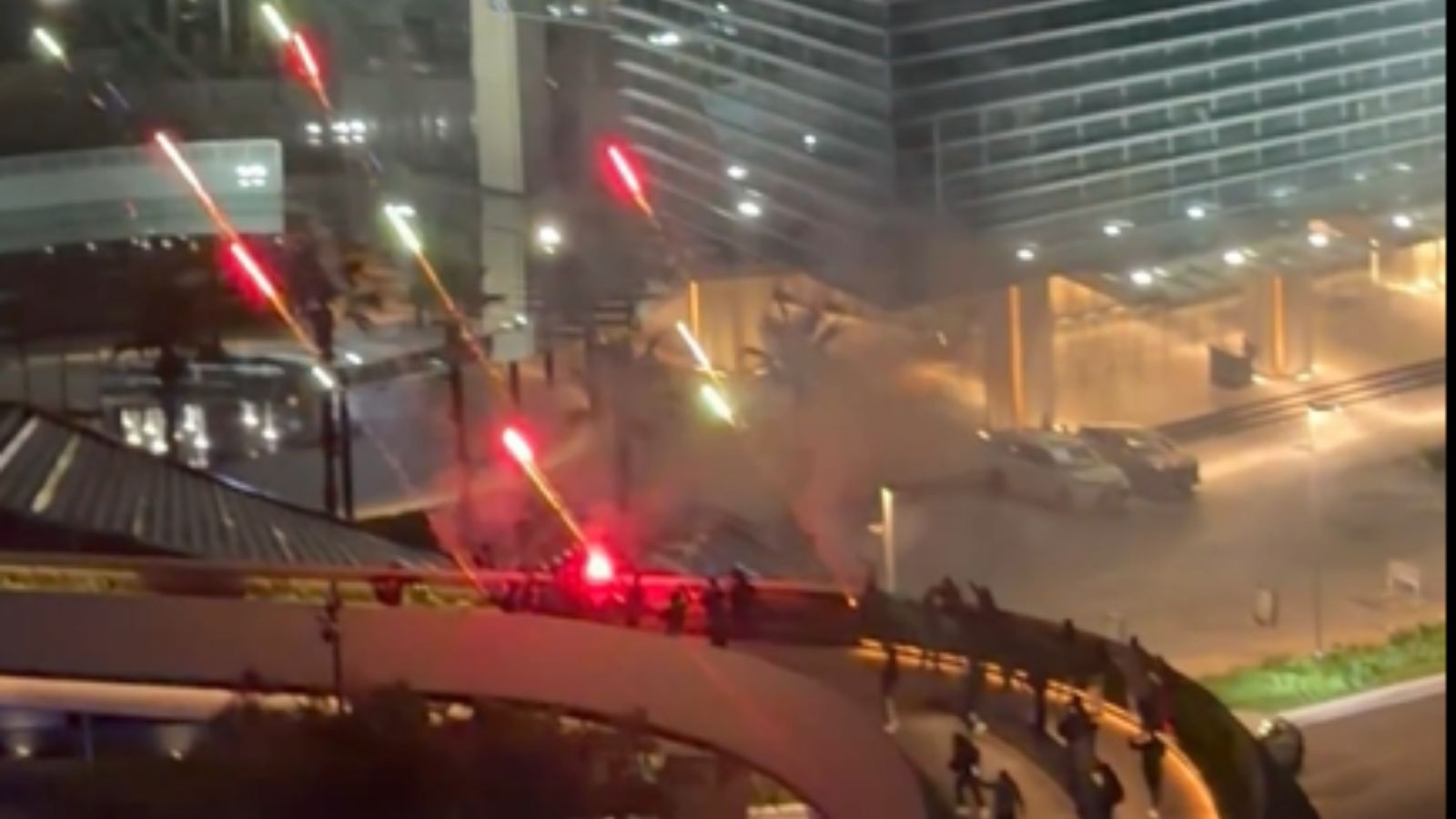
It is not a bomb, though the vibration rattles the heavy glass pane of the window just the same. It is a firework. A blinding flash of green and red illuminates the heavy drapes, followed immediately by a sound that resembles a jet engine tearing through a tin roof.
The brass begins next. Dozens of horns, shrill and relentless, playing a chaotic, looped rhythm that bounces off the concrete buildings of the city square.
Down on the street, hundreds of fans draped in green jerseys are dancing. They are not rioting. They are laughing. They are singing. And they have absolutely no intention of letting the England national football team get a single minute of sleep before the biggest match of their lives.
This is the beautiful game’s dirtiest open secret. It is a tradition as old as international football itself, a localized form of psychological warfare disguised as a street party. While tactical analysts spend thousands of hours dissecting formations on digital whiteboards, the fans outside the hotel window are executing a strategy that is far more primal, far cheaper, and devastatingly effective. They are stealing the one variable that sport science cannot completely safeguard: sleep.
Consider what happens to the human body when it is denied the deep, restorative cycles of REM sleep. For a professional footballer, a loss of just two hours of rest alters everything. Reaction times slow by fractions of a second. The split-second decision to pass or shoot becomes blurred. The muscles, deprived of the overnight rush of growth hormones needed to repair micro-tears, feel heavy, filled with lead before the whistle even blows. The fans on the pavement know this. They do not need a degree in sports science to understand that an exhausted opponent is a vulnerable opponent.
Walking through the lobby of a team hotel during one of these sieges feels like entering a fortress under lockdown. Security guards pace the corridors, their faces grim. High-ranking team officials speak in hushed, anxious whispers near the elevators. The contrast is jarring. Inside, there is a desperate attempt to maintain elite, clinical order. Outside, there is beautiful, unadulterated chaos.
Metaphorically speaking, it is a clash between the corporate machine of modern sports and the raw, untamed soul of national fandom. The competitor's headlines might call it a disturbance, or a mere nuisance outside a hotel. But anyone who has stood in those corridors knows it is an act of collective will. It is the fans attempting to physically inject themselves into the outcome of the match, to become the twelfth man on the pitch hours before the gates to the stadium even open.
The sheer logistics of the disruption are a marvel of fan coordination. This is not a spontaneous gathering of a few drunken travelers. It is an organized, calculated deployment. Buses arrive in the dead of night, dropping off waves of supporters equipped with industrial-grade air horns, firecrackers, and speakers that can blast bass frequencies capable of rattling teeth. When local police arrive to disperse one group, another flares up three blocks away, keeping the auditory perimeter entirely surrounded.
It forces a strange vulnerability onto these modern sporting icons. We look at multimillion-dollar athletes as gladiators, bulletproof figures impervious to the anxieties of regular life. Yet, in the dark of a hotel room, shielded only by a pane of glass from five hundred screaming partisans, they are remarkably human. They are just people trying to sleep, listening to a crowd of strangers actively praying for their downfall.
The real problem lies in the psychological toll of the waiting. You cannot fight back. You cannot tell them to be quiet. You can only lie there, earplugs jammed deep into your ear canals, listening to the dull, rhythmic thudding of the bass vibrating through the mattress. You watch the digital clock on the nightstand tick from 3:15 AM to 4:00 AM, knowing that every passing minute is a withdrawal from the physical bank account you need to draw from tomorrow.
Morning eventually comes, breaking the siege with the grey light of dawn. The fans melt away into the city, leaving behind a graveyard of spent firework casings, empty cans, and a lingering smell of sulfur.
When the players finally emerge for breakfast, the tension is palpable. The staff watches their eyes, looking for the telltale puffiness, the slight lag in conversation, the irritability that signals the fans achieved their objective. The match hasn't started, but the first blood has already been drawn, written in the dark circles under a defender's eyes as he stares blankly into a cup of black coffee.