The forecast promises a deceptively simple narrative. Temperatures will climb to 27C, offering a brief, golden reprieve, even as more rain gathers on the horizon to sweep across vulnerable regions. Meteorologists point to charts, anchors smile at the prospect of a late-season warm spell, and millions map out weekend walks. It is a comforting routine. It is also fundamentally incomplete. Beneath the surface of these optimistic weather maps lies a volatile atmospheric collision that weather reports routinely fail to contextualize, masking the systemic disruptions that happen when late-summer heat slams directly into persistent low-pressure systems.
We treat weather as a spectator sport. We check the app, grab an umbrella, or trade a heavy jacket for a t-shirt, assuming the atmosphere operates like a well-managed storefront. Meteorology is far more chaotic. When a stubborn front laden with moisture meets a pocket of unseasonal warmth pulling up from the continent, the result is not a simple trade-off between sun and showers. It is a thermodynamic punch-up. The air turns heavy, sticky, and unpredictable. Humidity spikes not because it is genuinely tropical, but because moisture is being trapped beneath a tightening lid of atmospheric pressure while the ground bakes intermittently under sudden breaks in the cloud cover.
The Thermodynamics of the Trap
Understanding why a 27C spike alongside heavy rain feels so suffocating requires looking past the raw thermometer reading. Numbers lie. A dry 27C in an arid climate feels manageable, almost pleasant. A 27C day born out of damp ground evaporation and incoming frontal moisture creates an entirely different physical environment.
The soil is saturated from weeks of intermittent downpours. When the sun breaks through, even briefly, it acts like a burner under a wet blanket. Water flashes upward into the lower troposphere, creating a localized greenhouse effect right at street level.
- Evaporative Saturation: Rain falls on warm earth, forcing immediate surface steam and driving relative humidity skyward.
- Solar Breakthrough: Rapid cloud fragmentation allows intense radiation to hit the damp ground, supercharging local evaporation rates.
- Pressure Compression: High-altitude air masses cap the rising moisture, holding the stifling heat right where human lungs have to process it.
This dynamic explains why public health advisories often lag behind reality. Official temperature thresholds for heat warnings are built for dry-bulb thermometer readings taken inside white meteorological Stevenson screens—standardized boxes yards above grass, shaded from direct radiation and swept by natural drafts. They do not account for what it feels like to stand on a tarmac parking lot in a city center where trapped humidity turns the air into a thermal blanket.
Infrastructure Under Siege
The real story of these Jekyll-and-Hyde forecasts is not about comfort. It is about an infrastructure grid that was never engineered for atmospheric schizophrenia. Cities are built to handle weather sequentially. They manage dry spells or they manage floodwaters. When both happen within the span of six hours—intense solar heating followed by torrential downpours onto baked or saturated ground—the structural vulnerabilities multiply.
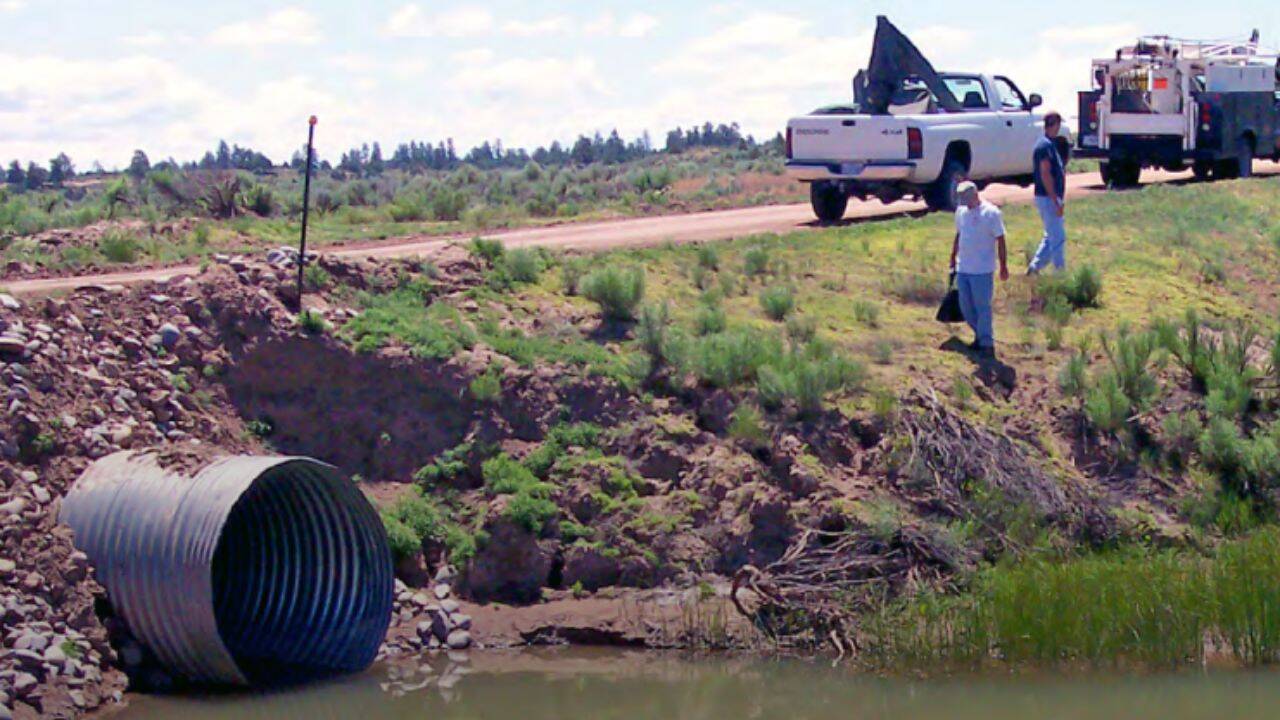
Consider urban drainage systems. A sudden downpour after days of dry warmth hits asphalt that has expanded in the heat, creating micro-fractures. When the water arrives, it cannot infiltrate the sun-baked soil effectively, nor can it always outpace the capacity of aging Victorian-era sewer networks. Flash flooding occurs not necessarily because of unprecedented rainfall volumes, but because the transit time of water across hardened urban surfaces has accelerated dangerously.
Rural areas face an inverse mirror of the same crisis. Farmers caught between sudden heat spikes and localized cloudbursts watch helplessly as root systems experience thermal shock. Crops pushed to rapid maturity by unexpected warmth suddenly drown in waterlogged fields where drainage is choked by compressed clay soils. The economic toll of these weather whiplashes accumulates quietly, rarely making the splash of a headline-grabbing hurricane, yet steadily eroding the margins of local agriculture and municipal maintenance budgets.
The Psychological Toll of Perpetual Uncertainty
There is an invisible cost to living in a climate regime defined by constant meteorological contradiction. Human physiology is wired to recognize seasonal transitions. We transition from winter to spring, settle into summer, and wind down into the predictable crispness of autumn. Our bodies adapt hormonally and behaviorally to sustained patterns.
When autumn tries to masquerade as mid-summer while simultaneously weeping heavy rain, the nervous system takes a hit. Barometric pressure drops trigger migraines in susceptible populations. The physical effort required to thermoregulate in high humidity drains cognitive stamina. People feel inexplicably fatigued, irritable, and unfocused.
We write off these reactions as ordinary bad moods or the general malaise of a changing season. They are biological responses to a shifting baseline. The body is constantly recalibrating its internal thermostat, trying to cool a system that is being subjected to conflicting environmental signals.
Navigating the Volatility
Pretending that a 27C rainy day is just a quirky meteorological anomaly ignores the broader trajectory of our weather systems. These overlapping extremes are becoming the baseline. The atmosphere holds roughly seven percent more moisture for every degree Celsius of warming, meaning that even modest temperature spikes now carry the potential for significantly heavier, more disruptive downpours.
Ignoring this reality leaves communities perpetually reactive. Municipalities wait for the street to flood before clearing drains. Individuals wait for the headache or the heat exhaustion to set in before adjusting their routines. The shift requires a different kind of vigilance, one that looks past the single, comforting headline figure on a weather app.
Next time you see a forecast promising warmth cut through with bands of heavy rain, do not look at the temperature as a promise of a pleasant afternoon. Look at it for what it truly represents. A stress test for our environment, our cities, and our own resilience against an atmosphere that refuses to stay inside the lines.