Most people walk right past old metal lunchboxes at estate sales, dismissing them as rusty junk from a bygone era. They think about chipped paint and faded plastic thermoses. They assume old school gear belongs in a landfill or a dollar bin. Then an item hits the auction block and completely shatters expectations.
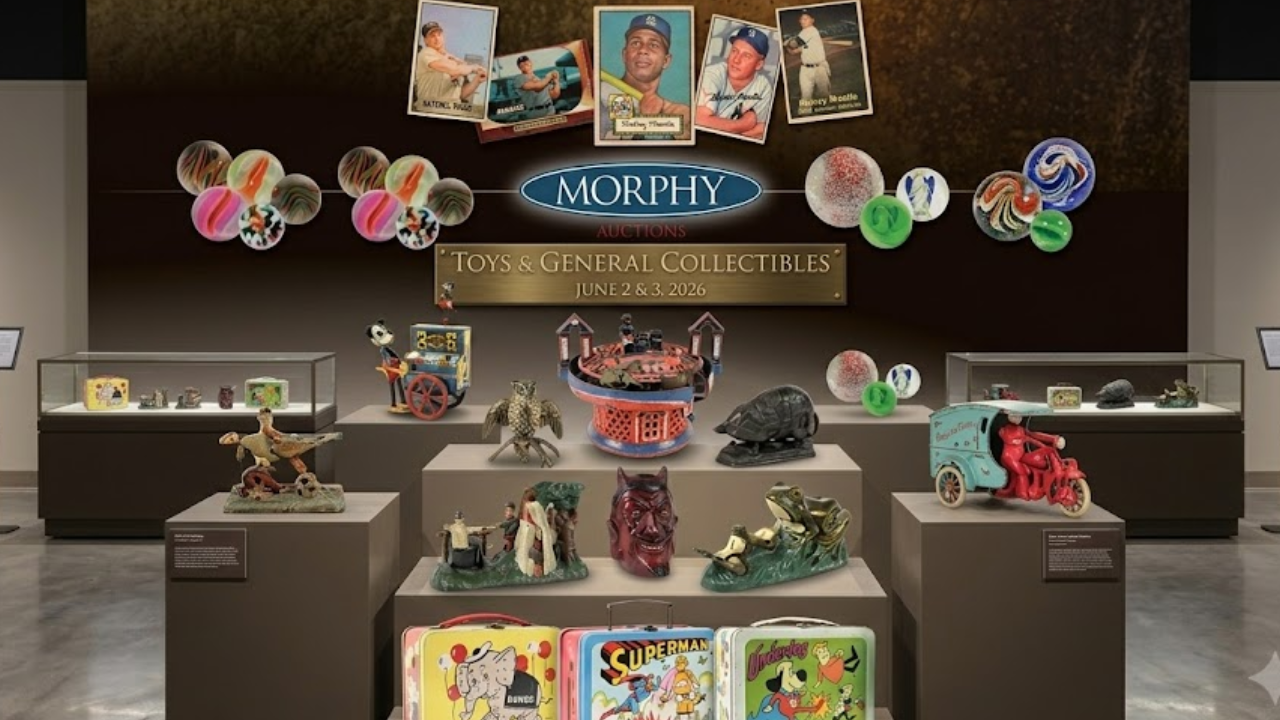
At a high-profile event hosted by Morphy Auctions in Denver, Pennsylvania, a vintage 1954 Superman lunchbox sold for a staggering $31,980. The pre-sale estimate hovered around a respectable $20,000. Bidders didn't just meet that ceiling. They blew past it, turning a simple piece of childhood playground equipment into a six-figure luxury asset on a per-square-inch basis.
If you think paying the price of a brand-new car for a metal container that once held soggy tuna sandwiches sounds insane, you aren't paying attention to the modern collectibles market. Nostalgia is a multi-million-dollar engine. And when you combine top-tier comic book history with extreme scarcity, mundane household objects transform into holy grails.
The Evolution of the School Lunch Pail
To understand why a 1954 container commands more than luxury watches, you have to look backward. Before the mid-twentieth century, kids carried their lunches in repurposed cigar boxes, tin biscuit tins, or whatever generic leather satchel their parents had lying around. School lunch was functional, utilitarian, and completely unbranded.
That changed forever in the early 1950s. Manufacturers realized that children were the ultimate advertising targets. If you put a beloved pop culture hero on the side of a metal box, kids would beg their parents to buy it. Universal and Adco Liberty recognized this shift immediately. They secured licensing rights for the Man of Steel and introduced the world to what modern collectors consider the pinnacle of character merchandise.
These weren't just mass-produced items. They were miniature billboards for Saturday morning matinées and television broadcasts. George Reeves was flying high on television screens everywhere, and children wanted to bring that excitement straight to the cafeteria table. The 1954 Superman release wasn't just a container for an apple and a sandwich. It was a status symbol.
Why the 1954 Superman Lunchbox Is the Holy Grail
Collectors don't just want any old lunchbox. They obsess over specific years, specific manufacturers, and specific artwork. The 1954 release occupies a legendary status because it represents the absolute dawn of the golden age of metal lunch pails.
The artwork on this specific model is iconic. One side features Superman locked in a dramatic confrontation with a giant gold robot against a sprawling city skyline. The reverse side shows the hero smashing through a brick wall while hoisting an airplane. It is dynamic, vibrant, and captures the peak Golden Age aesthetic of DC Comics.
Most of these boxes were abused. Kids dropped them, kicked them across asphalt, spilled milk inside them, and left them out in the rain. Finding one that survived the 1950s without massive dents or heavy rust is nearly impossible. When an example surfaces in pristine condition, the collector community treats it like an archaeological discovery.
Anatomy of a Record-Breaking Sale
The recent Morphy Auctions sale wasn't a fluke. It highlights how specific criteria drive astronomical values in the vintage toy sector. Several factors pushed this particular Superman box past its $20,000 high estimate straight to $31,980.
First, the condition was extraordinary. The lithograph printing on the metal showed minimal wear, retaining the deep blues and reds that usually fade after decades of exposure to light. Second, and perhaps most importantly, the lot was completely intact.
Finding the lunchbox alone is hard enough. Finding it with the original matching metal Thermos inside is rare. Finding it with both the lunchbox, the original Thermos, and a custom protective case is practically unheard of. The original Thermos often goes missing first, tossed out when the glass liner cracked or the cap got lost. Complete sets multiply the value exponentially. Bidders know they might never see another specimen with all its original components intact.
Why Condition and Completeness Rule Everything
Casual observers often make the mistake of assuming age equals value. Just because something is old doesn't mean anyone wants to buy it. The vintage market is brutal when it comes to condition.
A beat-up 1954 Superman box with missing hardware, heavy surface rust, and severe scratches might fetch a fraction of a thousand dollars. A museum-quality piece with crisp graphics, working latches, and an unblemished interior commands thirty grand. Condition is king.
Think of it like comic book grading. A comic book in pristine 9.8 condition sells for millions, while the exact same issue in reading copy condition goes for ten bucks. Lunchboxes operate under the exact same economic rules. The market values preservation above all else because so few children actually preserved their toys. Most kids played hard. The survivors are anomalies.
Other Vintage Treasures Hiding in Plain Sight
The massive price tag attached to the Superman lunchbox isn't an isolated incident. The same auction featured other seemingly ordinary childhood items commanding jaw-dropping sums.
Old toy soldier sets from W Britains routinely pull in tens of thousands of dollars when housed in their original boxes. Unopened wax boxes of vintage sports cards, like a 1972 Topps series containing factory-sealed packs, fetch small fortunes because sealed wax represents a time capsule of untouched history. Even vintage glass marbles, like Christensen Agate guinea sets, pull in nearly fifty thousand dollars based purely on color patterns and manufacturing rarity.
People miss the forest for the trees. They look at a dusty basement and see trash. Experts look at the exact same basement and see high-end alternative assets.
What to Do If You Find One in Your Attic
You might be tempted to run up to your attic right now, tear open old cardboard boxes, and hunt for forgotten childhood treasures. Temper your expectations.
Most metal lunchboxes sitting in damp spaces are rusted out and worthless. If you do happen to stumble upon a classic metal lunchbox from the 1950s or 1960s featuring a major pop culture icon like Mickey Mouse, Hopalong Cassidy, or Superman, stop immediately. Do not try to clean it. Do not use soap, water, or abrasive polishes. Amateur cleaning destroys original factory finishes and instantly cuts collector value in half.
Take clear photographs of every angle, including the hinges, the bottom, the interior, and any accompanying accessories like thermoses. Reach out to a reputable auction house that specializes in vintage toys and pop culture memorabilia rather than listing it blindly online.
The market for high-grade nostalgic artifacts is hotter than ever. Someone just paid over thirty thousand dollars for a tin box that originally cost a couple of dollars. Check your grandparents' storage spaces. You might be sitting on a fortune without even knowing it.